Tuesday, November 24, 2026
spot_img
Home Blog Page 103

Anganwadi ಅಂಗನವಾಡಿ ಟೀಚರ್ ಮತ್ತು ಸಹಾಯಕಿ ಹುದ್ದೆಗಳಿಗೆ ಅರ್ಜಿ ಆಹ್ವಾನ.!

0


  Apply Online for 278 Anganwadi Worker & Helper Posts

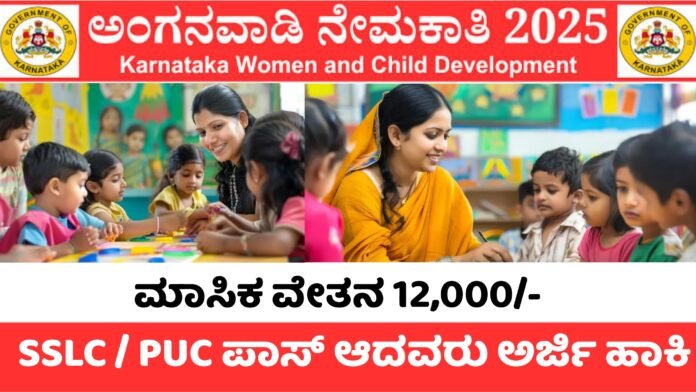
The Women and Child Development Department (WCD) Kolar has officially released its 2025 recruitment notification for Anganwadi Worker and Anganwadi Helper posts. This notification has opened up a valuable opportunity for women candidates, especially those aspiring to contribute to child care and early education at the grassroots level.

Through this notification, the department has announced 278 vacancies, including 49 Anganwadi Worker posts and 229 Anganwadi Helper posts. Interested and eligible candidates can submit their online applications on or before 22nd October 2025.

This recruitment drive aims to strengthen the functioning of Anganwadi centers across the Kolar district of Karnataka, which play a crucial role in nutrition, preschool education, and maternal care.


Overview of WCD Kolar Recruitment 2025

  • Organization Name: Women and Child Development Department, Kolar
  • Total Vacancies: 278
  • Job Location: Kolar, Karnataka
  • Posts Available: Anganwadi Worker & Anganwadi Helper
  • Salary: As per WCD Kolar norms
  • Application Mode: Online
  • Start Date: 22nd September 2025
  • Last Date: 22nd October 2025

Vacancy Distribution

The vacancies have been distributed both by post type and project area. Below is the detailed breakdown:

Post-Wise Vacancies

Post Name Number of Posts
Anganwadi Worker 49
Anganwadi Helper 229
Total 278

Project-Wise Vacancies

Project Name Worker Posts Helper Posts
Bangarpet 5 30
Bethamangala 12 23
Kolar 4 58
Malur 10 53
Mulbagal 8 37
Srinivasapur 10 28

Eligibility Criteria

The WCD Kolar department has specified clear eligibility criteria regarding education, age, and other conditions.

Educational Qualification

  • Anganwadi Worker: Candidates must have completed 12th standard (PUC or equivalent) from a recognized board.
  • Anganwadi Helper: Candidates should have passed 10th standard (SSLC or equivalent).

Age Limit

  • Minimum Age: 19 years
  • Maximum Age: 35 years
  • Age Relaxation: Applicable as per WCD Kolar rules for reserved categories.

Application Fee

  • No application fee is required for this recruitment. Candidates can apply free of cost.

Selection Process

The selection of candidates will be based on a merit list. This means:

  • No written test or interview is mandatory.
  • Selection will depend on the academic performance of the applicants in their qualifying examinations.
  • Preference may be given to local candidates from the respective project areas.

Step-by-Step Application Process

Applying for WCD Kolar Recruitment 2025 is a simple online procedure. Candidates must ensure that they meet all the eligibility conditions before starting.

  1. Read the Notification:
    Download and carefully go through the official notification to understand all eligibility details, rules, and instructions.
  2. Prepare Required Documents:
    Keep scanned copies of the following documents ready before applying:

    • ID proof (Aadhaar card, voter ID, etc.)
    • Proof of age (Birth certificate/SSLC marks card)
    • Educational qualification certificates (10th/12th mark sheets)
    • Recent passport-size photograph
    • Residence certificate (if applicable)
    • Caste certificate (for reserved categories)
  3. Visit the Official Website:
    Go to the WCD Kolar official portal: karnemakaone.kar.nic.in
  4. Online Registration:
    • Click on the “Apply Online – Anganwadi Worker & Helper Recruitment 2025” link.
    • Register using a valid email ID and mobile number for communication.
  5. Fill the Application Form:
    • Enter personal details such as name, date of birth, address, etc.
    • Upload scanned documents and photograph as per the specified size.
  6. Review & Submit:
    • Double-check all entered details before final submission.
    • Submit the form online and note down the application number for reference.
  7. Print Application:
    • Take a printout of the submitted application for future use.

Important Dates

  • Notification Release Date: September 2025
  • Start of Online Applications: 22nd September 2025
  • Last Date to Apply: 22nd October 2025

Why Anganwadi Jobs Are Important

Working as an Anganwadi Worker or Helper is not just a government job—it is an opportunity to serve society. Here’s why this recruitment is meaningful:

  • Child Development: Workers and helpers play a direct role in preschool education, early childhood care, and nutrition.
  • Women Empowerment: These posts provide secure employment opportunities to rural women, making them financially independent.
  • Community Service: Anganwadi centers act as the first step in bridging health and education gaps in rural areas.
  • Job Security: Though not permanent in all cases, these jobs provide stable monthly income and local employment.

Benefits of Joining WCD Kolar

  1. Stable Income as per government norms.
  2. Respectable Position in the local community.
  3. Contribution to Women & Child Welfare through hands-on service.
  4. Work-Life Balance since Anganwadi jobs are generally localized and less time-demanding.
  5. Social Recognition as Anganwadi staff are trusted by parents and local communities.

Application Link

Final Thoughts

The WCD Kolar Recruitment 2025 offers a golden opportunity for women in Kolar district who wish to start or grow their career in the government sector. With 278 vacancies across multiple projects, this is a chance for many candidates to secure a meaningful and community-centered job.

Interested applicants should not wait until the last date. Instead, apply online well in advance and ensure all documents are correct. Since the selection is purely merit-based, candidates with strong academic backgrounds will have higher chances of selection.

If you meet the eligibility conditions and have the passion to serve children and mothers in your community, this recruitment is the perfect platform to begin your journey.



Canara ಕೆನರಾ ಬ್ಯಾಂಕ್ ನೇಮಕಾತಿ.!

0


Canara Bank Recruitment 2025 – Apply Online for 3,500 Graduate Apprentice Posts Across India

Canara Bank, one of India’s leading public sector banks, has officially released a large-scale recruitment notification for 3,500 Graduate Apprentice vacancies under the Apprenticeship program. This is an excellent opportunity for fresh graduates looking to gain banking experience, develop skills, and build a long-term career in the financial sector.

The notification was published in September 2025, and the online application process is already active. Eligible candidates are encouraged to apply before the last date, 12th October 2025. Since this recruitment covers almost every state and union territory in India, aspirants from across the country can participate.


Key Highlights of Canara Bank Graduate Apprentice Recruitment 2025

  • Bank Name: Canara Bank
  • Post Title: Graduate Apprentice
  • Total Vacancies: 3,500
  • Location of Posting: Across India
  • Monthly Stipend: ₹15,000/-
  • Mode of Application: Online
  • Application Deadline: 12 October 2025

This initiative by Canara Bank provides young graduates with an excellent platform to work in a professional banking environment, gain valuable experience, and prepare for permanent banking careers in the future.


State-Wise Vacancy Distribution

The apprentice vacancies are spread across various states and union territories. Here are some highlights:

  • Karnataka: 591 posts
  • Tamil Nadu: 394 posts
  • Uttar Pradesh: 410 posts
  • Kerala: 243 posts
  • Andhra Pradesh: 242 posts
  • Maharashtra: 201 posts
  • West Bengal: 150 posts
  • Delhi: 94 posts

Smaller states and UTs like Lakshadweep, Nagaland, and Mizoram also have a few opportunities available. This distribution ensures that candidates from both rural and urban regions can apply conveniently.


Eligibility Criteria

Before applying, candidates must carefully review the eligibility requirements to avoid rejection at later stages.

1. Educational Qualification

  • Applicants must have completed a Bachelor’s Degree (Graduation) in any discipline from a recognized university or institution.
  • Candidates waiting for final year results are not eligible.

2. Age Limit (as on 01 September 2025)

  • Minimum Age: 20 years
  • Maximum Age: 28 years

3. Age Relaxation

  • OBC (Non-Creamy Layer): 3 years
  • SC/ST Candidates: 5 years
  • PwBD Candidates: 10 years

Selection Process

The selection process for Canara Bank Graduate Apprenticeship involves multiple stages to ensure merit-based recruitment:

  1. Written Examination
    • Objective-type test covering general knowledge, reasoning, English, and basic banking awareness.
    • The exam ensures fair assessment of candidates’ aptitude and suitability.
  2. Document Verification
    • Shortlisted candidates must provide original certificates of age, qualification, caste, and identity proof.
  3. Medical Examination
    • A standard medical fitness test will be conducted to ensure candidates are fit for the apprenticeship.

Stipend and Benefits

  • Monthly Stipend: ₹15,000/- (fixed)
  • Apprenticeship trainees will also receive hands-on training and exposure to banking operations, customer service, loan processing, and financial management.
  • This experience will significantly boost employability in both the banking and corporate sectors.

Application Fee

  • General/OBC Candidates: ₹500/-
  • SC/ST/PwBD Candidates: No Fee
  • Payment Mode: Online only (via debit/credit card, UPI, or net banking).

How to Apply Online for Canara Bank Apprentice Recruitment 2025

Candidates interested in applying should follow these steps:

  1. Read the Official Notification
    • Download and carefully go through the official notification available on the Canara Bank website.
  2. Prepare Required Documents
    • Valid email ID and mobile number.
    • ID proof (Aadhaar, Voter ID, Passport, etc.).
    • Age certificate and educational qualification documents.
    • Passport-sized photograph and scanned signature.
  3. Visit the Official Website
    • Go to canarabank.bank.in and click on the “Apply Online – Graduate Apprentice” link.
  4. Fill in the Application Form
    • Enter personal details, educational qualifications, and communication address.
    • Upload scanned copies of required documents.
  5. Pay the Application Fee (if applicable)
    • Ensure successful fee payment through online mode.
  6. Submit and Save the Application
    • Click the final Submit button.
    • Take a printout or save the application number/reference number for future use.

Important Dates

  • Start of Online Application: 23 September 2025
  • Last Date for Online Application: 12 October 2025
  • Admit Card Release: To be notified later
  • Written Exam Date: Expected in November 2025

Why Apply for Canara Bank Apprenticeship?

  • Skill Development: Practical exposure to banking operations.
  • Career Pathway: Opens doors to future permanent jobs in banks and financial institutions.
  • Nationwide Openings: Opportunities available across states and union territories.
  • Attractive Stipend: ₹15,000/- monthly support while gaining experience.

Many candidates use such apprenticeships as stepping stones to secure permanent banking jobs in PO, Clerk, or Specialist Officer categories.


Application Link

Conclusion

The Canara Bank Recruitment 2025 for Graduate Apprentices is a golden opportunity for young graduates to step into the banking sector. With 3,500 vacancies across India, this recruitment drive is among the biggest apprentice hiring programs in the financial industry this year.

Interested candidates should apply online at the earliest, ensuring they meet eligibility conditions and have all required documents ready. Don’t miss this chance to kick-start your professional journey with one of India’s most trusted banks.

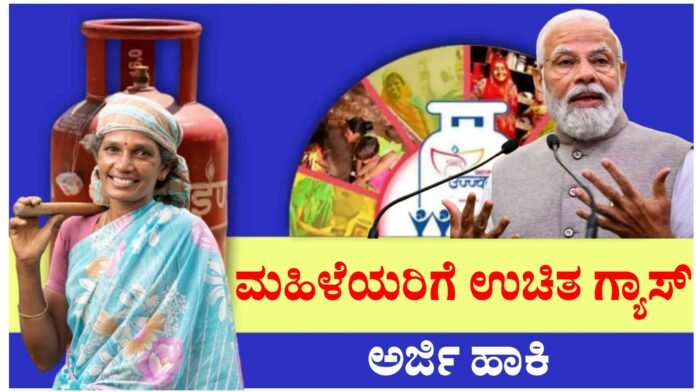
Dasara ಮಹಿಳೆಯರಿಗೆ ಉಚಿತ ಗ್ಯಾಸ್ ವಿತರಣೆ.!

0


Dasara Festive Gift for Women: Government Expands Pradhan Mantri Ujjwala Yojana with 25 Lakh Free LPG Connections

As the nation celebrates the vibrant festival of Dasara Navratri, the Government of India has announced a major welfare initiative aimed at empowering women. In a significant move, the central government has approved 25 lakh additional free LPG connections under the flagship Pradhan Mantri Ujjwala Yojana (PMUY). This expansion is expected to directly benefit millions of economically weaker women, particularly from rural and semi-urban areas, by ensuring access to clean cooking fuel.

With this announcement, the total number of Ujjwala beneficiaries will rise to over 105.8 million households, according to the Ministry of Petroleum and Natural Gas. The scheme, which was first launched in 2016, has already transformed the lives of millions of families, and this new allocation strengthens the government’s commitment to women’s welfare, public health, and environmental protection.


Why This Scheme Matters

Cooking in many Indian households, especially in villages, has traditionally been done using firewood, coal, or dung cakes. While these fuels are cheap and readily available, they release harmful smoke that leads to serious health problems like respiratory infections, eye irritation, and even long-term lung diseases. Women and children are the most vulnerable since they spend the most time near the cooking area.

The Pradhan Mantri Ujjwala Yojana was designed to address these issues. By providing free LPG connections, the scheme reduces health risks, saves cooking time, and improves the quality of life for women. Moreover, it also promotes environmental conservation by reducing dependence on polluting fuels.


Financial Outlay for the New Expansion

The government has allocated ₹676 crore for the newly announced 25 lakh deposit-free LPG connections. Out of this, around ₹512.5 crore will be used for covering connection costs (₹2,050 per connection), and another ₹160 crore has been earmarked to provide subsidies.

Beneficiaries will also be entitled to a ₹300 subsidy per 14.2 kg LPG cylinder, up to a maximum of nine cylinders per household per year. This subsidy is particularly crucial for rural families, where affordability remains a key concern.


Benefits for Beneficiaries

One of the most striking features of PMUY is that beneficiaries are not only provided with the gas connection but also with all the essential equipment needed to begin cooking. This includes:

  • LPG cylinder
  • Regulator
  • Safety hose
  • Consumer card
  • Installation charges

Additionally, new beneficiaries also receive a first refill and a free gas stove. By covering these upfront costs, the government ensures that households can immediately shift from traditional fuels to LPG without financial barriers.

This approach directly reduces household expenditure on health treatment caused by smoke-related illnesses, while also giving women more time for other productive activities.


Application Process Made Simple

Women who wish to benefit from this scheme can apply by submitting a simple KYC (Know Your Customer) form along with necessary identity and address documents. Applications can be submitted online or at the nearest government-authorized LPG distribution center.

Once verified, the eligible applicant is provided with a new LPG connection. For new applicants, the government has introduced an eKYC process that is quick, transparent, and user-friendly, ensuring that no deserving household faces unnecessary delays.


Journey of Ujjwala Yojana

The Pradhan Mantri Ujjwala Yojana was first launched in May 2016, with an ambitious target of providing 80 million free LPG connections to women belonging to Below Poverty Line (BPL) families. Remarkably, this target was achieved by September 2019.

Encouraged by its success, the government launched Ujjwala 2.0 in August 2021, under which an additional 10 million LPG connections were distributed by January 2022.

Over the years, PMUY has not only helped improve health conditions but has also contributed to gender empowerment by recognizing women as primary beneficiaries and account holders for the connections.


Government’s Message on Navratri

Union Petroleum Minister Hardeep Singh Puri, while announcing the scheme’s expansion, highlighted its symbolic significance. He said, “On the auspicious occasion of Navratri, providing 25 lakh additional LPG connections reflects the government’s commitment to women’s dignity and empowerment. Prime Minister Narendra Modi’s vision is to treat every woman with the respect and strength associated with Goddess Durga.”

This statement underlines the government’s long-term vision of placing women at the center of national development.


Long-Term Impact of the Scheme

The Ujjwala Yojana is not just about fuel distribution—it is a step towards social transformation. Its long-term impacts include:

  1. Improved Health – Reduction in respiratory diseases and indoor pollution-related illnesses.
  2. Time-Saving – Women spend less time collecting firewood, giving them more opportunities for education, self-employment, and community participation.
  3. Environmental Gains – Reduced dependence on firewood helps decrease deforestation and improve air quality.
  4. Women’s Empowerment – Recognizing women as the owners of LPG connections strengthens their role in decision-making within households.

Why Women Should Apply Immediately

The government’s announcement during Navratri serves as both a festive gift and a call to action. Eligible women should not delay their applications, as this scheme can bring immediate and long-term benefits to their families. From improved health to financial savings and from environmental safety to empowerment, the Ujjwala Yojana stands as one of India’s most impactful welfare programs.

By applying today, women can secure a free LPG connection that ensures their family’s well-being, reduces daily struggles, and opens doors to a cleaner, healthier lifestyle.


📑 Documents Required for Applying to the Pradhan Mantri Ujjwala Yojana

Women who wish to apply for a free LPG connection under the Ujjwala Yojana need to submit the following documents:

  1. Aadhaar Card – As proof of identity.
  2. Ration Card / BPL Card – To prove economic eligibility (below poverty line family).
  3. Bank Passbook / Account Number – For subsidy transfer directly into the beneficiary’s bank account.
  4. Residential Proof (Address Proof) – To verify residence (Aadhaar, electricity bill, water bill, etc.).
  5. Passport-size Photograph – For LPG consumer card records.
  6. Declaration Form – To confirm that no other LPG connection exists in the household.
  7. KYC Form – Available at the LPG distributor’s office; mandatory for application.

📌 Additional Guidelines

  • The applicant must be a woman (above 18 years of age).
  • The household should not have any existing LPG connection.
  • All documents must be submitted as self-attested copies.
  • For eKYC verification, Aadhaar OTP or biometric authentication is mandatory.


Application Link

Conclusion

The expansion of the Pradhan Mantri Ujjwala Yojana with 25 lakh new connections is more than just a policy announcement—it is a celebration of women’s dignity, health, and empowerment. Launched in 2016, the scheme has already transformed millions of households, and this new boost reinforces the government’s commitment to inclusive growth.

As India moves towards becoming a cleaner and healthier nation, Ujjwala Yojana remains a cornerstone initiative. For families still dependent on traditional fuels, this is the perfect moment to embrace the future with clean energy.

So, if you or someone you know is eligible, take this step today. A free LPG connection under Ujjwala is not just a gas cylinder—it’s a promise of health, dignity, and empowerment.


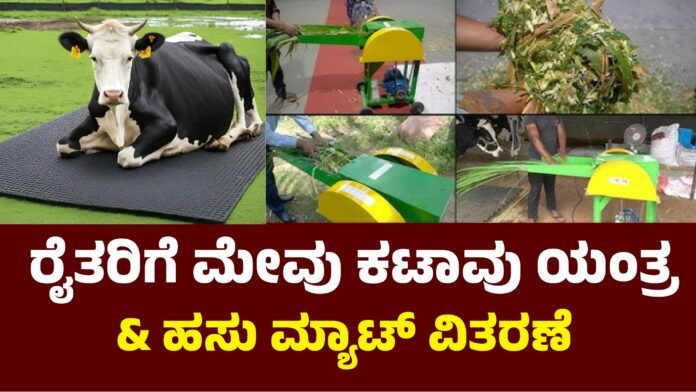
Mat ರೈತರಿಗೆ ಮೇವು ಕತ್ತರಿಸುವ ಯಂತ್ರ ಮತ್ತು ರಬ್ಬರ್ ಕೌ ಮ್ಯಾಟ್ ವಿತರಣೆ

0


Subsidy for Fodder Cutting Machine and Rubber Cow Mats in Karnataka – Apply Before September 30, 2025

The Government of Karnataka, through the Department of Animal Husbandry and Veterinary Services, has launched a special scheme for farmers and dairy producers in the state. Under this initiative, beneficiaries can avail subsidized fodder cutting machines (Chop Cutters) and rubber cow mats, which aim to improve livestock management and reduce the burden on farmers.

Applications are currently invited from eligible farmers across districts and taluks of Karnataka. The scheme is open for the 2025–26 financial year, and the last date for submission of applications is September 30, 2025.


Why This Scheme Matters for Farmers

Livestock plays a crucial role in the rural economy of Karnataka. Farmers depend heavily on cattle for milk production, ploughing fields, and as a source of livelihood. However, traditional methods of feeding and maintaining cattle often consume more time, money, and labor.

  • Fodder cutting machines help chop grass and other feed efficiently, making it easier for cattle to digest and ensuring less wastage.
  • Rubber cow mats provide comfort to cattle by protecting them from injuries caused by rough flooring. These mats also help reduce infections, thereby improving milk yield.

By introducing subsidies for these two essential items, the government aims to modernize cattle-rearing practices, increase dairy production, and support the welfare of rural farmers.


Financial Assistance Details

The Department has fixed specific prices for both items and will bear 50% of the cost under the subsidy program. The remaining 50% must be paid by the selected beneficiaries.

  • Rubber Cow Mats: Priced at ₹2,850 each. Beneficiaries receive a subsidy of 50%, which means they only pay half the amount.
  • Fodder Cutting Machine (Chop Cutter): Priced at ₹17,000. Again, 50% of the cost is covered by the government.

This ensures that even small-scale farmers can afford these facilities without financial strain.


Target Allocation Across Districts

The department has set district-wise and taluk-wise targets for distribution. For example:

  • In Haveri Taluk, 10 cow mats and 14 fodder cutters have been allocated for distribution.
  • Similar targets are fixed for other districts, depending on cattle population and demand.

This systematic allocation ensures equal opportunities for farmers across Karnataka.


Eligibility Criteria

To apply under this scheme, farmers must meet the following conditions:

  1. Must be a registered farmer or dairy producer in the state of Karnataka.
  2. Should have cattle rearing as a primary or secondary source of livelihood.
  3. Preference is given to small and marginal farmers, women farmers, and those from Scheduled Castes/Scheduled Tribes (SC/ST) communities.
  4. Farmers must be residents of the district/taluk where they are applying.

How to Apply

Interested farmers should apply through the Assistant Director of the Veterinary Hospital in their respective taluk or district.

Steps to Apply:

  1. Visit your nearest Veterinary Hospital/Assistant Director’s Office.
  2. Collect the application form for the fodder cutting machine and rubber cow mat subsidy.
  3. Fill in all required details, including farmer ID, cattle details, and contact information.
  4. Attach the necessary documents (see below).
  5. Submit the completed form before September 30, 2025.

Documents Required

Applicants must attach the following documents with their application form:

  • Copy of Aadhaar Card
  • Proof of residence (ration card, voter ID, etc.)
  • Farmer’s registration/land ownership proof
  • Cattle ownership certificate (if applicable)
  • Caste certificate (if applying under SC/ST quota)
  • Bank passbook copy (for subsidy transfer)

Selection Process

  1. All applications will be reviewed by the selection committee at the district/taluk level.
  2. Reservation and allocation will be made as per the department’s guidelines.
  3. Beneficiaries will be chosen based on eligibility, priority groups, and quota availability.
  4. Selected farmers will be informed through the veterinary office, and distribution will be arranged accordingly.

Benefits of the Scheme

  • Reduces labor costs: Farmers no longer need to spend hours cutting fodder manually.
  • Increases milk production: Comfortable mats and proper fodder improve cattle health.
  • Supports rural economy: Helps small farmers improve productivity and income.
  • Promotes modernization: Encourages farmers to adopt scientific livestock management practices.

Important Dates

  • Application Start Date: Already open (September 2025)
  • Application Deadline: September 30, 2025
  • Distribution Period: Post verification and selection, during October–November 2025

Application Link

Final Words

This scheme is a golden opportunity for Karnataka’s farmers to modernize their dairy farming practices at an affordable cost. By providing a 50% subsidy on fodder cutting machines and rubber cow mats, the government is directly addressing two of the most common challenges faced by dairy farmers – efficient feed management and cattle comfort.

Farmers are advised to apply as early as possible and make use of this subsidy before the closing date. With rising costs in agriculture, such government initiatives provide a much-needed lifeline to sustain and grow rural livelihoods.

IOB ಇಂಡಿಯನ್ ಓವರ್‌ಸೀಸ್ ಬ್ಯಾಂಕ್ ನೇಮಕಾತಿ.!

0


Indian Overseas Bank Recruitment 2025 – Apply Online for 127 Specialist Officer Posts

If you have been aiming for a prestigious banking career in India, here comes a golden opportunity! Indian Overseas Bank (IOB), one of the country’s leading public sector banks, has announced a massive recruitment drive for 127 Specialist Officer (SO) vacancies across India. This recruitment is a part of IOB’s 2025 expansion and modernization strategy, providing job seekers with a stable, rewarding, and well-paying government job.

Candidates interested in securing a position as a Manager or Senior Manager can apply through the official IOB website. The online application window is open from 12th September 2025 to 3rd October 2025.

This article provides you with complete details about the IOB Specialist Officer Recruitment 2025, including eligibility, application process, selection procedure, salary structure, and important dates.


Highlights of IOB Recruitment 2025

  • Bank Name: Indian Overseas Bank (IOB)
  • Post Name: Specialist Officers (Managers & Senior Managers)
  • Total Vacancies: 127
  • Job Type: All India Government Job
  • Job Location: Across India
  • Application Mode: Online
  • Salary Range: ₹64,820 – ₹1,05,280 per month
  • Application Deadline: 3rd October 2025

Vacancy Details – Post Distribution

The vacancies are divided between two major roles in the bank:

Post Name Number of Vacancies Age Limit (as on 01-09-2025)
Manager 105 25 – 35 Years
Senior Manager 22 30 – 40 Years

Age Relaxation (as per Govt. norms):

  • OBC (NCL): 3 Years
  • SC/ST: 5 Years
  • PwBD: 10 Years

Educational Qualification

To ensure highly skilled officers join the workforce, IOB has set specific educational criteria. Candidates must hold qualifications from recognized institutions such as:

  • Manager Posts:
    • Chartered Accountant (CA), Cost Accountant (CMA/ICWA), Chartered Financial Analyst (CFA), B.Arch, B.E/B.Tech, M.Tech, MCA, M.Sc, MBA, or equivalent post-graduate qualifications.
  • Senior Manager Posts:
    • CA, CFA, B.E/B.Tech, M.Tech, MCA, M.Sc, PGDM, PGDBA, MBA, or higher relevant qualifications.

Note: Candidates with experience in banking, finance, or IT will be given preference.


Salary Structure

One of the most attractive aspects of this recruitment is the competitive pay scale offered by IOB:

  • Manager: ₹64,820 – ₹93,960 per month
  • Senior Manager: ₹85,920 – ₹1,05,280 per month

Along with the basic salary, selected candidates will also receive Dearness Allowance (DA), House Rent Allowance (HRA), Medical Benefits, Pension Schemes, and other perks applicable to public sector banks.


Application Fee

Applicants need to pay the following non-refundable fees:

  • SC/ST/PwBD Candidates: ₹175/-
  • General/OBC/EWS Candidates: ₹1000/-
  • Mode of Payment: Online (Debit Card, Credit Card, Net Banking, UPI)

Selection Process

The recruitment process will be highly competitive and consist of the following stages:

  1. Online Written Examination
    • Objective questions covering Reasoning, Quantitative Aptitude, English Language, Professional Knowledge, and General Awareness.
  2. Personal Interview
    • Shortlisted candidates from the exam will face an interview to assess technical expertise, communication skills, and overall suitability for the role.
  3. Final Selection
    • Based on combined performance in the exam and interview, subject to verification of original documents.

Step-by-Step Guide to Apply Online

Here’s how to apply for IOB Specialist Officer Recruitment 2025:

  1. Visit the Official Website – Go to www.iob.in.
  2. Read the Notification – Carefully go through the official recruitment advertisement to ensure eligibility.
  3. Register Online – Use a valid mobile number and email ID for the registration process.
  4. Fill Application Form – Enter personal details, educational qualifications, and work experience accurately.
  5. Upload Documents – Attach scanned copies of ID proof, certificates, photograph, and signature in the prescribed format.
  6. Pay the Application Fee – Make the payment through secure online mode.
  7. Submit the Form – Recheck details and click on the final submit button.
  8. Save Application Number – Keep a printout or PDF copy of the application for future reference.

Key Dates to Remember

  • Start of Online Applications: 12th September 2025
  • Last Date to Apply: 3rd October 2025
  • Last Date for Fee Payment: 3rd October 2025
  • Admit Card Release: Expected in October 2025
  • Online Exam Date: Tentatively November 2025

Why Choose a Career with Indian Overseas Bank?

Working at Indian Overseas Bank is not just a job, it is a career with stability, prestige, and growth opportunities.

  • Nationwide Job Posting – Candidates get to work across India.
  • Career Progression – Regular promotions based on performance.
  • Work-Life Balance – Public sector jobs ensure job security and better work-life integration.
  • Retirement Benefits – Attractive pension and gratuity schemes.

 Application Link 


Conclusion

The IOB Specialist Officer Recruitment 2025 is a golden chance for qualified professionals to enter India’s reputed banking sector. With 127 vacancies, excellent salary packages, and nationwide job postings, this is one of the most awaited government job openings of the year.

If you meet the eligibility criteria, don’t wait till the last moment. Apply online before 3rd October 2025 and secure your future with one of India’s trusted public sector banks.


Cow ಹಸು ಸಾಕಾಣಿಕೆಗೆ ಸಾಲ ಮತ್ತು ಸಹಾಯಧನ

0


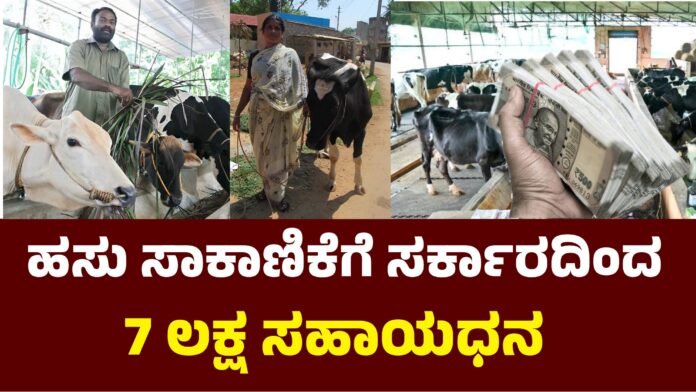
Cow Dairy Farming Loan and Subsidy Scheme: A Golden Opportunity for Rural Entrepreneurs

In recent years, India has witnessed a significant shift in the mindset of its rural population. Instead of relying solely on jobs in companies or offices, more and more youngsters in villages are eager to start their own ventures. Among the various self-employment opportunities available, dairy farming has emerged as one of the most promising and sustainable options.

Recognizing this potential, both the Central and State Governments have been rolling out schemes that encourage rural youth to take up animal husbandry, poultry farming, fishery, and small-scale industries. One of the most impactful among these is the Dairy Entrepreneurship Development Scheme (DEDS), supported by NABARD (National Bank for Agriculture and Rural Development).

This initiative not only strengthens the agricultural economy but also provides a stable source of income for farmers. Let us explore in detail how this scheme works, the benefits it offers, and why it is considered a turning point for India’s dairy sector.


Why Dairy Farming Matters in Rural India

Dairy farming has always been closely linked to Indian agriculture. Milk is not only a daily dietary essential but also a livelihood source for millions of families. According to recent estimates, India is the largest milk producer in the world, and yet the demand for milk and milk-based products continues to rise rapidly.

Key reasons why dairy farming is crucial for rural India include:

  • Daily income assurance – Unlike crops, which take months to generate revenue, milk provides farmers with a daily cash flow.
  • High market demand – Milk, curd, butter, paneer, and ghee are always in demand, making dairy farming a low-risk business.
  • Women empowerment – Traditionally, women in villages are actively involved in cattle rearing, thus dairy farming provides them financial independence.
  • Employment generation – Dairy farms require manpower for feeding, cleaning, processing, and distribution, thereby creating multiple job opportunities.

Dairy Entrepreneurship Development Scheme (DEDS) – An Overview

The DEDS scheme was introduced by the Government of India with a clear objective: to increase milk production, strengthen rural entrepreneurship, and create employment opportunities.

Under this scheme, farmers who are interested in setting up a dairy farm can avail:

  • Bank loans up to ₹7 lakh for purchasing cattle and building dairy infrastructure.
  • Subsidy support of 25% for general category farmers.
  • Subsidy support of 33% for SC/ST beneficiaries.

This means a large portion of the loan amount is directly waived off, reducing the financial burden on farmers.


Loan and Subsidy Details

Here’s how the financial assistance works under this scheme:

  • Minimum requirement: A farmer must purchase at least 2 cows or buffaloes.
  • Maximum limit: A farmer can start with up to 10 animals.
  • Loan disbursement: Once the necessary documents are submitted, the loan is processed and credited to the farmer’s bank account within just two working days.
  • Subsidy percentage:
    • General category farmers – 25% subsidy
    • SC/ST category farmers – 33% subsidy

This structure ensures that the scheme is inclusive and encourages farmers from marginalized communities to participate actively.


Benefits of the Dairy Farming Scheme

  1. Financial security for farmers – Farmers get easy access to credit and subsidy, ensuring that they can start their dairy venture without huge risks.
  2. Boost to milk production – With more farmers entering dairy farming, milk availability in India increases, leading to the production of more dairy products.
  3. Job creation – Rural youth who were previously unemployed now have a reliable source of self-employment.
  4. Support for women farmers – Since women are traditionally involved in cattle care, the scheme directly benefits them, strengthening rural households financially.
  5. Nationwide impact – With subsidies and NABARD’s backing, dairy farming is expanding not just in one state but across the country.

Role of NABARD in the Dairy Sector

The National Bank for Agriculture and Rural Development (NABARD) plays a crucial role in implementing this scheme. NABARD provides refinancing support to banks that disburse loans under the dairy scheme.

In 2024, Finance Minister Nirmala Sitharaman announced that NABARD would allocate ₹30,000 crore to strengthen dairy farming across India. This financial push ensures that farmers from even the remotest villages can access resources to build sustainable dairy farms.


How Farmers Can Apply for the Dairy Loan Scheme

The application process is designed to be farmer-friendly:

  1. Approach your nearest bank – Farmers can visit any NABARD-supported bank, cooperative bank, or regional rural bank.
  2. Submit required documents – Aadhaar card, ration card, land details, caste certificate (if applicable), and project report of the dairy farm.
  3. Loan approval – The bank verifies the documents and approves the loan based on the project feasibility.
  4. Subsidy allocation – Once the loan is sanctioned, NABARD directly provides the subsidy portion to the bank, reducing the farmer’s repayment burden.
  5. Implementation – Farmers can then purchase cattle, build sheds, and start their dairy farm operations.

Why Young Farmers Should Embrace Dairy Entrepreneurship

  • Low entry barrier – Starting with just 2 cows, even small farmers can enter the business.
  • Steady income – Daily sale of milk ensures constant cash flow.
  • Government support – Subsidies, training programs, and veterinary care add to the security of this venture.
  • Scalability – Once established, farmers can expand from 2 cows to 10 or even more, scaling their income.

Application Link

Conclusion

The Dairy Entrepreneurship Development Scheme is more than just a financial assistance program. It is a gateway to self-reliance, rural development, and women empowerment. With NABARD’s massive funding support and the government’s subsidies, dairy farming is fast becoming one of the most profitable and sustainable occupations for rural India.

If you are a farmer or know someone in your family or community who dreams of starting a dairy farm, this is the right time to take advantage of the scheme. By spreading awareness, we can ensure that more farmers benefit and rural India continues to progress towards economic stability.


Staff Nurse posts ಸ್ಟಾಫ್ ನರ್ಸ್ ಹುದ್ದೆಗಳಿಗಾಗಿ ಅರ್ಜಿ ಆಹ್ವಾನ

0


SJICR Recruitment 2025 – Apply for 15 Staff Nurse Vacancies in Bengaluru

Sri Jayadeva Institute of Cardiovascular Sciences and Research (SJICR), one of India’s premier medical institutes dedicated to heart and vascular care, has officially released its recruitment notification for 15 Staff Nurse posts. This is a golden opportunity for aspiring nurses who wish to work in a highly reputed government medical research institute in Karnataka.

With the rising demand for healthcare professionals in Bengaluru and across the state, this recruitment drive not only opens the door for stable government employment but also provides an excellent platform to serve society in the field of healthcare.


About SJICR – A Pioneer in Cardiac Care

SJICR, popularly known as Jayadeva Institute, is a state-of-the-art cardiac sciences research and healthcare facility located in Bengaluru, Karnataka. It has been at the forefront of cardiovascular research, treatment, and education for several decades. With cutting-edge medical facilities, advanced research laboratories, and specialized treatment units, the institute is recognized globally for its contribution to heart and vascular health.

The institute also plays a key role in training medical professionals and offering employment opportunities across various healthcare roles. This recruitment for Staff Nurses reflects SJICR’s ongoing efforts to strengthen its patient care services.


Highlights of SJICR Staff Nurse Recruitment 2025

  • Organization Name: Sri Jayadeva Institute of Cardiovascular Sciences and Research (SJICR)
  • Post Name: Staff Nurse
  • Number of Vacancies: 15
  • Job Location: Bengaluru, Karnataka
  • Salary Offered: ₹22,000 per month
  • Application Mode: Offline
  • Last Date to Apply: 30th September 2025

Eligibility Criteria for SJICR Staff Nurse Jobs

Before applying, candidates must carefully review the eligibility conditions set by the institute.

Educational Qualification

  • Candidates must have completed a Diploma in Nursing from a recognized university or board.
  • Additional certifications in critical care or cardiac nursing will be considered an added advantage.

Age Limit

  • Maximum age for applicants: 35 years

Age Relaxation:

  • Category IIA/IIB/IIIA/IIIB: 3 years
  • SC/ST/Category I: 5 years

Application Fees

Applicants must pay the fee through a Demand Draft (DD) as mentioned below:

  • SC/ST Candidates: ₹1000
  • General, Cat-I, IIA, IIB, IIIA, IIIB: ₹2000

Note: The application fee is non-refundable.


Selection Process

The selection will be based purely on Merit List, which considers educational background, relevant qualifications, and experience. No written test or interview has been announced in this notification.


How to Apply for SJICR Recruitment 2025

Since the application process is offline, candidates must follow the steps carefully to ensure their form reaches the institute on time.

Step-by-Step Guide:

  1. Read the Notification Carefully
    • Go through the official SJICR recruitment notification to confirm your eligibility.
  2. Prepare Your Documents
    • Keep ready self-attested copies of your educational certificates, ID proof, age proof, passport-size photographs, and experience certificate (if applicable).
  3. Download and Fill Application Form
    • Obtain the prescribed application format either from the official website or recruitment notice. Fill it neatly without errors.
  4. Pay the Application Fee
    • Prepare a Demand Draft of the applicable fee amount as per your category.
  5. Verify the Details
    • Double-check all details entered in the application form before submission.
  6. Send Application by Post
    • Address the envelope to:
      The Director, Administrative Office, 1st Floor, SJIC&R, Main Branch, Bannerghatta Road, Jayanagar 9th Block, Bangalore – 560069
    • Applications can be sent through Registered Post, Speed Post, or any reliable courier service.
  7. Submit Before Deadline
    • Ensure that the application reaches the above address on or before 30th September 2025. Late applications will not be accepted.

Important Dates

  • Start Date for Application Submission: 15th September 2025
  • Last Date for Receiving Applications: 30th September 2025

Why Choose a Nursing Career at SJICR?

Working as a Staff Nurse at SJICR offers more than just a job—it is a chance to grow professionally and contribute meaningfully to society.

Benefits of Working at SJICR:

  • Exposure to advanced medical technology and specialized cardiac care.
  • Opportunities for career growth within a leading government healthcare institute.
  • Stable monthly salary of ₹22,000 with government benefits.
  • Chance to work in Bengaluru, the healthcare hub of South India.
  • Professional recognition by being part of one of Asia’s largest heart care centers.

Tips for Applicants

  • Ensure that your application form is complete and error-free.
  • Attach all necessary documents in the prescribed order.
  • Apply well before the last date to avoid postal delays.
  • Keep a photocopy of your application and DD for future reference.
  • Track your post/courier delivery to confirm receipt by the institute.

Application Link

Conclusion

The SJICR Staff Nurse Recruitment 2025 is a prestigious opportunity for nursing graduates who wish to build a career in the government healthcare sector. With 15 vacancies open, a decent salary package, and the chance to work at one of India’s leading cardiovascular institutes, this recruitment should not be missed by eligible candidates.

If you meet the educational and age criteria, prepare your documents today and send in your application before 30th September 2025.

For more details, candidates are encouraged to check the official website: jayadevacardiology.com


Labour card shcolarship ಕಟ್ಟಡ ಕಾರ್ಮಿಕರ ಮಕ್ಕಳಿಗೆ ಶೈಕ್ಷಣಿಕ ಸಹಾಯಧನ

0


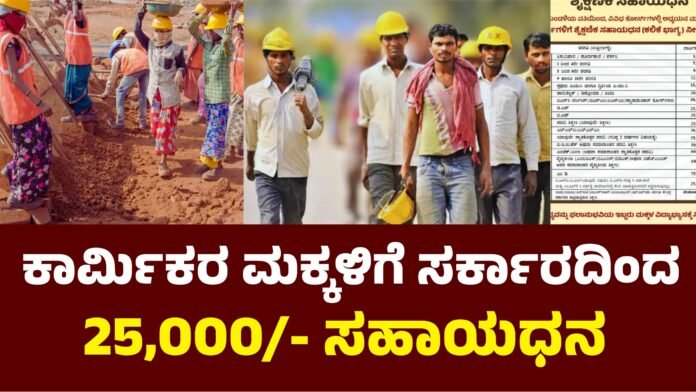
Educational Assistance for Children of Construction Workers in Karnataka (2025-26): A Lifeline for Families

Education is often described as the greatest equalizer. Yet for thousands of construction workers across Karnataka, ensuring uninterrupted education for their children is a constant struggle. Daily-wage laborers frequently face unstable incomes, and the burden of school fees, books, and higher education expenses becomes overwhelming. Recognizing this, the Karnataka Building and Other Construction Workers Welfare Board (KBOCWWB) has launched its Educational Assistance Scheme for the academic year 2025-26.

This initiative aims to provide financial support to the children of registered construction workers, ensuring that no child has to abandon studies due to economic constraints. Let us dive deep into the scheme’s features, eligibility conditions, benefits, required documents, application process, and its broader impact on society.


Why This Scheme Matters

Construction workers form the backbone of Karnataka’s infrastructure development. From building roads, bridges, schools, hospitals, to residential projects — their contribution is immense. Yet, ironically, most workers remain financially vulnerable.

  • Irregular income: Many workers are employed on a daily-wage basis, which means no guaranteed monthly salary.
  • Lack of job security: Construction work is seasonal, and employment depends on ongoing projects.
  • Educational barriers: Children of laborers often drop out after school due to unaffordable college fees.

The Educational Assistance Scheme addresses these barriers by reducing financial stress and motivating families to prioritize education.


Scope of Financial Assistance

The scheme is not limited to one stage of education. Instead, it provides stepwise financial aid, covering everything from early schooling to professional courses.

  • Primary & Secondary Schooling: Financial assistance ranging from ₹2,000 to ₹5,000 helps cover school fees, textbooks, uniforms, and stationery.
  • Pre-University (PUC): Support increases to ₹5,000–₹10,000, ensuring students can transition smoothly to higher education.
  • Graduation & Professional Courses: Depending on the nature of the course, assistance may go up to ₹25,000. This includes support for engineering, medicine, law, diploma, and other skill-based courses.

By scaling the aid according to the education level, the scheme ensures continuity in learning without forcing families into debt.


Eligibility Criteria

To maintain transparency and ensure benefits reach genuine workers, the Board has outlined specific eligibility requirements:

  1. Registered Worker: Applicants must be registered with the Karnataka Building and Other Construction Workers Welfare Board on or before 31st May 2025. Registration ensures authenticity and prevents misuse.
  2. Work Duration: The worker must have been engaged in construction-related jobs for at least 90 consecutive days.
  3. Permanent Resident: The family must reside in Karnataka.
  4. Child’s Enrollment: The student must be studying in a recognized school, college, or institution within Karnataka.
  5. Income Limit: The total annual family income should not exceed ₹1,00,000 (subject to final verification under scheme guidelines).
  6. Academic Performance: For higher education, students may need to secure at least 50% marks in their previous exams.

Documents Required

Applicants must upload valid documents in proper size (not exceeding 1 MB per file). Missing or incorrect uploads could lead to rejection. The required documents include:

  • Worker’s registration certificate issued by the Welfare Board.
  • Aadhaar cards of both the worker and the student.
  • Income certificate issued by the competent authority.
  • Residence proof (Aadhaar, voter ID, or ration card).
  • Bonafide certificate from the student’s school/college.
  • Marksheet/academic record of the previous year.
  • Bank passbook copy with IFSC code and account number.
  • Recent passport-sized photograph of the student.
  • Active mobile number for SMS verification.

Application Process (Step-by-Step Guide)

The application is fully online through the State Scholarship Portal (SSP) of Karnataka. Here’s how applicants can proceed:

  1. Visit Portal: Go to https://ssp.karnataka.gov.in.
  2. New Registration: Click on “Register” and sign up using the worker’s Aadhaar number.
  3. Login: After registration, log in with the provided ID and password.
  4. Select Scheme: Choose Educational Assistance for Construction Workers’ Children.
  5. Fill Form: Enter details of the worker, student, educational course, and bank account.
  6. Upload Documents: Ensure scanned copies are clear and within the size limit.
  7. Preview & Submit: Verify all details before clicking Submit.
  8. Acknowledgment: An SMS confirmation will be sent. Download the receipt for future reference.

📌 Deadline: Applications must be submitted by October 31, 2025. Late submissions will not be entertained.


Expected Impact on Society

The scheme is more than financial aid — it is a social equalizer. Its benefits extend beyond individual families:

  • Reduced Dropouts: Children from low-income backgrounds can continue schooling without disruption.
  • Higher Enrollment in Colleges: Assistance for professional courses means more first-generation graduates from worker families.
  • Women Empowerment: Many daughters of laborers abandon education due to expenses. Financial aid ensures girls remain in school longer.
  • Breaking Poverty Cycles: Education paves the way for better jobs, which lifts entire families out of poverty.
  • Social Inclusion: The scheme acknowledges the dignity of labor by investing in workers’ children, thereby reducing inequality.

Challenges Ahead

While the scheme is robust, implementation challenges may arise:

  • Digital Divide: Some workers may lack internet access or digital literacy to apply online.
  • Document Verification: Delay in verifying income or academic records could postpone scholarship disbursal.
  • Awareness Gap: Many eligible workers remain unaware of the scheme and miss deadlines.

To overcome these issues, the government should consider:

  • Setting up help desks at labor welfare offices.
  • Providing offline assistance kiosks in rural areas.
  • Launching awareness campaigns in local languages.

Application Link

Conclusion

The Educational Assistance Scheme for 2025-26 is not just about scholarships; it is about empowerment through education. By supporting children of construction workers with amounts ranging from ₹2,000 to ₹25,000, the Karnataka government is ensuring that financial hardships do not block the path to learning.

Families struggling with daily survival now have a chance to dream bigger for their children. As applications remain open until October 31, 2025, eligible workers should take advantage of this opportunity by applying through the SSP portal.

Education is the strongest investment in shaping a brighter, more equal Karnataka. This initiative is a meaningful step toward that vision.

Godown ಉಗ್ರಾಣ ನಿರ್ಮಾಣಕ್ಕೆ 3 ಕೋಟಿವರೆಗೆ ಸಹಾಯಧನ.! Subsidy Scheme

0


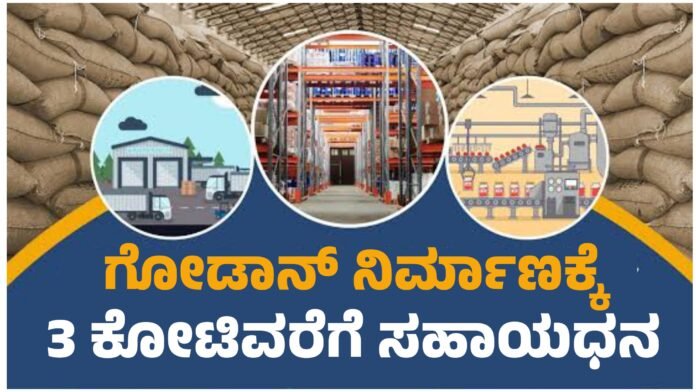
Rural Godown Subsidy Scheme (Gramin Bhandaran Yojana) – Full Details, Eligibility, Benefits, and Application Guide

Agriculture is the backbone of India’s rural economy. However, one of the biggest challenges farmers face is post-harvest storage. Due to a lack of proper storage facilities, a huge portion of grains, pulses, and other crops get wasted every year. This not only causes financial losses to farmers but also affects food supply in the market.

To tackle this problem, the Government of India in association with NABARD (National Bank for Agriculture and Rural Development) launched the Gramin Bhandaran Yojana (Rural Godown Subsidy Scheme). The main objective of this scheme is to provide financial assistance to farmers, farmer groups, cooperatives, and other organizations to build or upgrade scientific storage facilities in rural areas.

This article will explain in detail the objectives, subsidy structure, eligibility, required documents, and the step-by-step application process under this scheme.


Why is the Rural Godown Scheme Important?

  1. Reduce Crop Losses: Protects harvested produce from damage due to rain, pests, and natural calamities.
  2. Better Price Realization: Farmers can store their produce and sell it later when market prices are higher.
  3. Promotes Rural Infrastructure: Increases the number of modern warehouses and storage units in villages.
  4. Financial Security for Farmers: Farmers can pledge stored crops to banks and get loans against warehouse receipts.
  5. Strengthens Food Supply Chain: Ensures that agricultural products are available year-round without shortage.

Who Can Apply?

The scheme is not limited to individual farmers. A wide range of applicants are eligible:

  • Individual farmers
  • Farmer groups
  • Agricultural graduates
  • Cooperatives and Self-Help Groups (SHGs)
  • NGOs working in the agriculture sector
  • Partnership firms and companies
  • Agricultural Marketing Committees
  • State agencies and corporations

This wide eligibility ensures that both small-scale farmers and larger organizations can take advantage of the subsidy.


Subsidy Pattern (As per Latest Guidelines)

The subsidy depends on the category of the applicant and the total project cost. Below is the subsidy structure:

Category Subsidy (%) Maximum Limit
SC/ST entrepreneurs, women, cooperatives 33.33% Up to ₹3 crore
Farmers, agricultural graduates, SHGs 25% Up to ₹2.25 crore
Individuals, companies, corporations 15% Up to ₹1.35 crore

👉 The subsidy is calculated on the capital cost of the project, including land development, construction, and equipment for storage.


Storage Capacity Covered

  • Minimum godown capacity: 100 tonnes
  • Maximum godown capacity: 30,000 tonnes
  • Both new godown construction and renovation of existing warehouses are covered.

The scheme encourages small and medium godowns in villages so that farmers in remote areas can also benefit.


Benefits of the Scheme

  1. Financial Aid: Significant subsidy reduces the burden of investment on farmers and organizations.
  2. Income Security: Farmers no longer need to sell crops immediately at low prices.
  3. Loan Facility: Stored produce can be used as collateral to get bank loans.
  4. Improved Storage Quality: Promotes scientific methods like temperature control and fumigation.
  5. Women & SC/ST Empowerment: Higher subsidy percentage for marginalized groups.

Documents Required

Applicants must submit the following documents along with the application:

  • Project report (detailing cost, design, and storage capacity)
  • Land ownership documents or lease agreement
  • Identity proof (Aadhaar Card, PAN Card)
  • Bank loan sanction letter (if loan is taken)
  • Bank account details (Passbook copy)
  • Passport-size photographs
  • Registration certificate (for companies, cooperatives, or SHGs)

How to Apply for the Rural Godown Subsidy Scheme?

  1. Prepare Project Report: Include cost estimates, godown design, and expected capacity.
  2. Approach Bank/NABARD: Submit your project proposal to a recognized bank financing under NABARD.
  3. Loan Sanction: Bank verifies documents and sanctions loan if applicable.
  4. Application Submission: Apply through the NABARD channel with required documents.
  5. Inspection & Approval: NABARD officials inspect the project site.
  6. Construction: Build the godown as per approved design.
  7. Subsidy Release: Once construction is complete and verified, subsidy is released directly to the beneficiary’s bank account.

Example Case Study

Imagine a farmer cooperative in Karnataka producing large amounts of maize. Previously, they had to sell their harvest quickly at low rates due to lack of storage. By applying under the Gramin Bhandaran Yojana, they received 25% subsidy to build a 500-tonne capacity godown. Now, they store the produce, wait for better market conditions, and sell at a higher price. The cooperative also uses the godown to provide storage facilities to neighboring farmers, creating an additional income source.


Key Highlights at a Glance

  • Scheme Name: Gramin Bhandaran Yojana (Rural Godown Subsidy Scheme)
  • Implemented By: NABARD in collaboration with Ministry of Agriculture
  • Beneficiaries: Farmers, cooperatives, SHGs, NGOs, companies
  • Subsidy: 15% to 33.33% depending on category
  • Maximum Storage Capacity: 30,000 tonnes
  • Application Mode: Through banks and NABARD offices

Official Website & Contact

For detailed guidelines, application forms, and state-wise subsidy details, applicants can visit the official website:
🔗 dmi.gov.in

Farmers can also contact their District NABARD Office or the nearest bank branch dealing with agricultural finance for more guidance.


Application Link

Conclusion

The Rural Godown Subsidy Scheme (Gramin Bhandaran Yojana) is a game-changer for India’s agricultural sector. By supporting the construction of storage facilities, the scheme ensures that farmers reduce post-harvest losses, earn better prices, and gain financial stability. With subsidies up to 33.33%, it provides an excellent opportunity for farmers, cooperatives, and organizations to invest in modern storage solutions.

If you are a farmer or part of a farmer group, don’t miss out on this golden opportunity. Apply today, build your own godown, and secure your harvest for a better tomorrow.


Kharif ಬೆಳೆ ವಿಮೆ ಪರಿಹಾರ ರೈತರಿಗೆ ₹291.92 ಕೋಟಿ ಪರಿಹಾರ ಜಮಾ

0


Kharif Crop Insurance Payout: Farmers in Kalaburagi to Receive ₹291.92 Crore Compensation

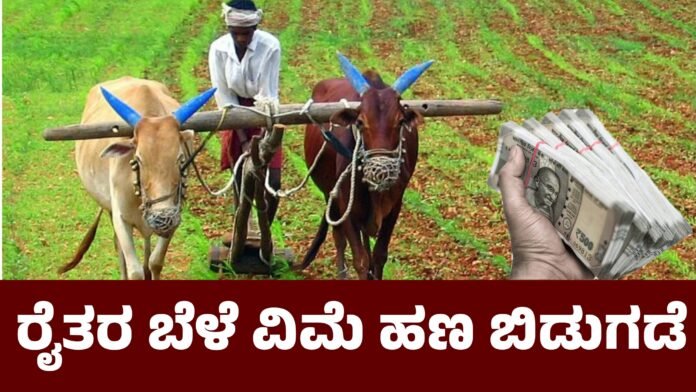
The Karnataka government has taken another big step toward supporting its farming community. Under the Pradhan Mantri Fasal Bima Yojana (PMFBY), also known as the Crop Insurance Scheme, compensation of nearly ₹291.92 crore is set to be deposited directly into the bank accounts of eligible farmers in Kalaburagi district who suffered crop losses during the 2024–25 Kharif season.

Minister Priyank Kharge announced that this second phase of disbursement will reach farmers within the next couple of weeks. This follows the first installment, where ₹364.70 crore had already been credited to farmers’ accounts. Altogether, Kalaburagi district farmers are expected to receive around ₹656.62 crore in compensation.


Government’s Commitment to Farmers

Speaking at a press conference held at the Deputy Commissioner’s office in Kalaburagi, Minister Kharge emphasized the government’s determination to stand by farmers during difficult times. He pointed out that crop insurance is one of the most reliable financial protections available to cultivators who face the risks of unpredictable weather, pest attacks, and other natural calamities.

The insurance scheme ensures that farmers don’t fall into debt traps or financial distress when their crops fail. Instead, they receive direct cash compensation, allowing them to recover and reinvest in the next cropping season.

Kharge also reassured farmers that all pending claims are being processed and the money will be credited through Direct Benefit Transfer (DBT) to ensure transparency and avoid delays.


How the Crop Insurance Scheme Works

The Fasal Bima Yojana was launched by the Government of India to provide risk coverage and financial support to farmers in case of crop failure. Farmers pay a nominal premium for insuring their crops, and the government, along with insurance companies, covers the remaining portion.

For Kharif crops, farmers typically pay only 2% of the sum insured as the premium. In return, they become eligible for substantial compensation if crop loss occurs due to reasons such as:

  • Excess rainfall or drought
  • Pest infestation or disease outbreak
  • Cyclones, floods, or hailstorms
  • Any localized calamity leading to reduced yield

This year, farmers in Kalaburagi who insured their crops will now see the benefit of this system as huge compensation amounts are being transferred directly to them.


Digital Access: Checking Crop Insurance Status Online

With technology integration, farmers no longer need to visit offices repeatedly to know their claim status. The Karnataka government, with support from NIC Bengaluru, has developed the Samrakshane portal (www.samrakshane.karnataka.gov.in) where farmers can easily track their application and payment status.

Here’s a simple step-by-step guide for farmers to check their claim details:

Step 1: Visit the Official Website

Go to www.samrakshane.karnataka.gov.in. Click on the “Bele Vime Status Check” option to enter the portal.

Step 2: Select the Relevant Year & Season

On the page, choose “2024–25” as the crop year. Under the season category, select “Kharif” and press the Go button.

Step 3: Verify Using Mobile Number

In the “Farmers” section, click Check Status. Enter the mobile number you used while submitting your insurance application, type the captcha code, and click Search.

Step 4: View Compensation Details

The portal will display your application progress. By clicking on Select, you can see UTR details, which confirm whether your compensation amount has been deposited into your bank account.

This digital facility makes the process transparent, farmer-friendly, and time-saving.


Why This Matters for Farmers

Agriculture is the backbone of the rural economy, but it remains highly vulnerable to climate change and natural disasters. A single season of crop failure can push small and marginal farmers into debt, making them dependent on private moneylenders.

The release of nearly ₹292 crore is not just financial support—it is a lifeline for farmers to:

  • Repay existing debts
  • Prepare their land for the upcoming season
  • Buy seeds, fertilizers, and pesticides
  • Manage household expenses during crisis times

This intervention not only boosts farmer confidence but also contributes to the overall stability of the agricultural economy in Karnataka.


Larger Picture: Statewide Implementation

While the announcement highlighted Kalaburagi district, similar disbursements are taking place across Karnataka. Farmers from other districts are also expected to receive compensation as per their claim settlements. The Samrakshane portal provides a unified platform for all districts, ensuring equal access and smooth processing.

The government has also emphasized that awareness programs will continue to encourage more farmers to enroll in the scheme. Despite its benefits, many farmers still hesitate to insure their crops due to lack of information or misconceptions about premium costs.


Farmers’ Voices

Local farmer associations in Kalaburagi have welcomed this move. They highlighted that timely compensation is crucial, especially when unpredictable monsoon rains cause severe losses. Farmers also expressed that easy online access to claim status has reduced their dependence on middlemen and agents.

Some farmers suggested that the claim settlement process should be made even faster to help them reinvest without delays. Others urged for more awareness drives so that every eligible farmer can take advantage of this scheme.


Future Prospects

Minister Kharge indicated that the government is exploring technology-driven solutions such as drones for crop assessment and AI-based monitoring systems to ensure quicker claim settlements. These innovations will help in accurate damage estimation and faster release of insurance payouts.

By integrating digital tools with policy support, Karnataka aims to build a stronger safety net for its farming community.


Status Check 

Conclusion

The release of ₹291.92 crore as part of the Kharif crop insurance compensation under the Fasal Bima Yojana is a significant relief for farmers in Kalaburagi. It demonstrates the government’s proactive approach to protect farmers from the uncertainties of agriculture.

For farmers, this is more than just money—it represents security, dignity, and hope for a better agricultural season ahead.

As Karnataka continues to strengthen crop insurance implementation, the vision is clear: no farmer should face financial ruin because of crop loss.