Tuesday, November 24, 2026
spot_img
Home Blog Page 110

RRC ರೈಲ್ವೇ ಇಲಾಖೆ ನೇಮಕಾತಿ

0


RRC Central Railway Recruitment 2025 – Apply for 2,418 Apprentice Vacancies

The Central Railway, under the Railway Recruitment Cell (RRC), has announced a massive opportunity for aspiring candidates by inviting online applications for 2,418 Apprentice posts across various trades. This recruitment drive aims to train eligible candidates in multiple technical fields, offering them hands-on skills that can shape their careers in the Indian Railways and beyond.

Here’s a complete guide to the eligibility criteria, selection process, application steps, important dates, and trade-wise opportunities under this recruitment.


Post Details

  • Name of the Post: Apprentice
  • Total Vacancies: 2,418
  • Job Location: Selected candidates may be posted anywhere across India under Central Railway jurisdiction.

Educational Qualification

To be eligible, applicants must fulfill both of the following requirements:

  1. Passed Class 10 (Matriculation) or equivalent from a recognized board with at least 50% aggregate marks.
  2. Possess a valid ITI Certificate (National Trade Certificate) in the relevant trade issued by NCVT/SCVT.

This combination ensures that applicants have the basic educational foundation along with trade-specific skills required for the apprenticeship.


Age Limit (as on 12 August 2025)

  • Minimum Age: 15 years
  • Maximum Age: 24 years

Age Relaxation:

  • SC/ST Candidates: 5 years
  • OBC Candidates: 3 years
  • PwBD Candidates: As per government rules

Selection Process

The recruitment process does not include any written exam or interview. Instead, candidates will be selected purely based on merit:

  1. Merit List Preparation – Marks obtained in Class 10 and ITI will be considered to prepare a trade-wise merit list.
  2. Document Verification – Shortlisted candidates must appear for verification of all original documents.
  3. Final Selection – After successful verification, candidates will be offered the apprenticeship training slot.

List of Trades Available

The apprenticeship training will be provided in various skilled trades, including but not limited to:

  • Fitter
  • Welder
  • Carpenter
  • Painter (General)
  • Tailor (General)
  • Electrician
  • Machinist
  • Programming & Systems Administration Assistant
  • Mechanic (Diesel)
  • Turner
  • Instrument Mechanic
  • Laboratory Assistant
  • Electronics Mechanic
  • Sheet Metal Worker
  • Computer Operator & Programming Assistant
  • IT & Electronic System Maintenance

This diversity ensures that candidates from multiple technical backgrounds can find suitable options.


Application Fee

  • SC/ST/Women/PwBD Candidates: No fee
  • Other Candidates: ₹100

Payment Mode: Online payment through Debit Card, Credit Card, Net Banking, or UPI.


How to Apply – Step-by-Step Guide

The entire application process will be conducted online. Here’s how you can submit your form without errors:

Step 1: Read the Notification Carefully

Before applying, download the official notification from the RRC Central Railway website and understand all eligibility rules, trade details, and important instructions.

Step 2: Keep Documents Ready

You will need scanned copies of:

  • Passport-size photograph
  • Signature
  • Class 10 mark sheet
  • ITI certificate
  • Caste/Category certificate (if applicable)

Step 3: Visit the Official Website

Go to the official RRC Central Railway application portal or click on the direct “Apply Online” link given in the notification.

Step 4: Fill in Personal Details

Enter your name, date of birth, gender, contact details, educational qualifications, and trade preference carefully.

Step 5: Upload Documents

Upload the scanned copies in the prescribed format and size mentioned in the application instructions.

Step 6: Pay Application Fee

If applicable, make the payment through the online payment gateway.

Step 7: Review and Submit

Double-check all the details before submitting the form. Once submitted, take a printout of the application for your records.


Important Dates

  • Starting Date for Online Application: 12 August 2025
  • Closing Date for Online Application: 11 September 2025

Why This Opportunity is Valuable

Joining Central Railway as an apprentice offers:

  • Hands-on Technical Training in railway workshops and depots.
  • Stipend during the training period (as per government rules).
  • Skill Development that can help secure future jobs in Indian Railways or the private sector.
  • National-Level Recognition of the apprenticeship certificate.

Key Official Links


Application Link


Final Words

The RRC Central Railway Recruitment 2025 is a golden chance for young aspirants with technical training to start their career journey with one of the largest railway networks in the world. Since there’s no competitive exam involved, candidates with strong academic and ITI performance have an excellent chance to secure their place.

If you meet the eligibility criteria, prepare your documents and apply at the earliest to avoid last-minute rush.
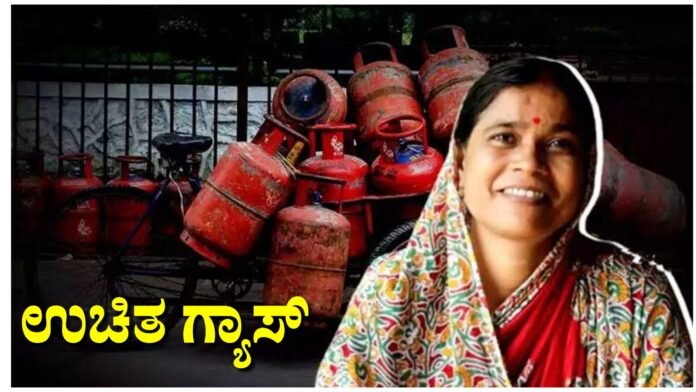


Gas ಉಚಿತ ಗ್ಯಾಸ್ ಸಿಗಲಿದೆ.!

0


Free LPG Connection under Pradhan Mantri Ujjwala Yojana – Complete Guide

In today’s world, the kitchen has transformed dramatically compared to a few decades ago. Where once wood, coal, or kerosene stoves dominated, now almost every household—whether in villages or cities—relies on LPG gas cylinders. This shift isn’t just a matter of convenience; it’s also a matter of safety, health, and time efficiency.

However, for economically weaker families, purchasing an LPG connection and regularly refilling it can be financially challenging. Recognizing this, the Government of India launched a path-breaking scheme known as the Pradhan Mantri Ujjwala Yojana (PMUY), aimed at making clean cooking fuel accessible to underprivileged households, especially in rural areas.

This initiative, first introduced in 2016 by Prime Minister Narendra Modi, has been a milestone in women’s empowerment and public health. The program provides free LPG connections to women from Below Poverty Line (BPL) households, ensuring that they no longer need to depend on polluting fuels like firewood or cow dung cakes.


Why the Scheme Matters

Cooking with traditional fuels such as firewood produces harmful smoke, which poses serious health risks, particularly to women and children who spend long hours in the kitchen. Indoor air pollution is a silent killer, contributing to respiratory diseases, eye problems, and even premature deaths in rural areas.

The Ujjwala Yojana addresses this by:

  • Reducing health hazards caused by smoke inhalation.
  • Saving time spent collecting firewood.
  • Promoting environmental conservation by reducing deforestation.
  • Empowering women with modern facilities and more control over their household environment.

Achievements So Far

The government initially targeted 80 million LPG connections by March 2020. Remarkably, this goal was achieved ahead of schedule—in September 2019 itself. The success of PMUY led to the launch of Ujjwala 2.0, an expanded version of the scheme, to ensure no eligible family is left behind.


Eligibility Criteria for PMUY

Not everyone can apply for this scheme. The eligibility requirements ensure that the benefit reaches the most deserving families.

  1. Applicant must be a woman aged 18 years or above.
  2. The family should not already have any LPG connection in any member’s name.
  3. The applicant must belong to one of the following categories:
    • Scheduled Caste (SC)
    • Scheduled Tribe (ST)
    • Most Backward Classes (MBC)
    • Beneficiaries of Pradhan Mantri Awas Yojana (Gramin)
    • Antyodaya Anna Yojana (AAY) families
    • Tea and ex-tea garden tribes
    • Forest dwellers
    • People living on islands or river islands

Documents Required

To apply for the PMUY scheme, you will need the following:

  • Aadhaar card (linked to your LPG connection and verified)
  • Ration card details
  • Bank account information (for subsidy purposes)
  • Mobile number
  • Passport-size photograph
  • Income proof (if required)
  • Address proof

How to Apply for Free LPG Connection

There are two main ways to apply—offline and online.


1. Offline Application Process

If you prefer to apply in person, here’s how:

  1. Visit the official website: www.pmuy.gov.in and download the application form.
  2. Take a printout of the form.
  3. Fill in the required details carefully.
  4. Attach photocopies of necessary documents (ID proof, address proof, income proof, etc.).
  5. Submit the completed form to the nearest LPG distributor.
  6. After verification, your free LPG connection will be sanctioned, and you will receive a cylinder, regulator, and hose pipe.

2. Online Application Process

If you are comfortable with digital applications:

  1. Visit the official PMUY website.
  2. Fill out the online form with accurate personal details.
  3. Upload scanned copies of all required documents.
  4. Submit the form and note down the reference number for tracking purposes.
  5. Once approved, you will be contacted by your LPG distributor for connection installation.

How to Get Free Cylinder Refills

Under certain announcements, the government has provided free cylinder refills to PMUY beneficiaries, especially during special circumstances like the COVID-19 pandemic.
To avail free refills:

  • Ensure your Aadhaar is linked with your LPG account.
  • Your account must have e-KYC completed through the gas agency.
  • You should already have an active PMUY connection.

Ujjwala 2.0 – What’s New?

The upgraded version of the scheme, PMUY 2.0, focuses on reaching households that were left out in the initial phase. New features include:

  • A free first refill and stove along with the connection.
  • Simplified application process—registration possible at Common Service Centres (CSCs).
  • Faster delivery timelines.

Impact on Rural India

Since its launch, PMUY has transformed the lives of millions of rural women:

  • They no longer spend hours gathering firewood.
  • They can prepare meals more quickly, freeing up time for other activities.
  • Family health has improved due to smoke-free kitchens.
  • Girls in rural households often get more time for studies as they assist less in firewood collection.

Challenges Faced

While the scheme has been widely appreciated, challenges remain:

  • Some households struggle to afford refills after the initial free connection.
  • Lack of awareness in remote villages prevents some eligible families from applying.
  • Logistics issues in extremely remote areas can delay delivery.

To address these issues, the government and oil companies are working on improving refill affordability and expanding distribution networks.


Application Link


Conclusion

The Pradhan Mantri Ujjwala Yojana is more than just a welfare scheme—it’s a social revolution. By putting clean cooking fuel in the hands of rural women, it protects health, saves time, and uplifts living standards.

If you or someone you know meets the eligibility criteria, applying for this scheme can make a real difference. A smoke-free kitchen is not just about convenience—it’s about dignity, safety, and better quality of life.


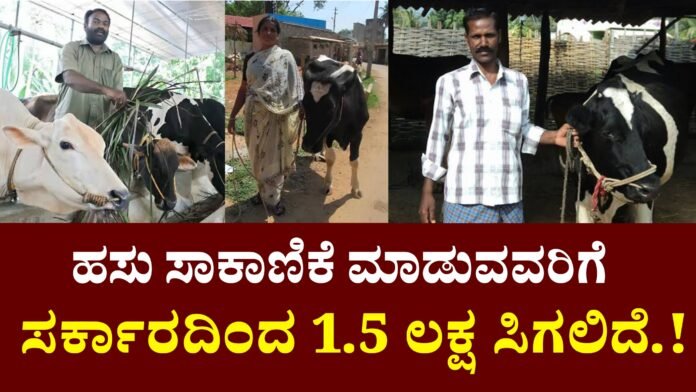
Dairy Subsidy ಹಸು ಸಾಕಾಣಿಕೆಗೆ 1.5 ಸಹಾಯಧನ.!

0


₹1.25 Lakh Dairy Farm Subsidy – Apply Now for 50% Financial Assistance to Start Your Dairy Business

The Social Welfare Department of Karnataka, through its various corporations, has opened applications for an exciting subsidy scheme aimed at encouraging dairy farming among economically weaker sections of society. Under this scheme, eligible beneficiaries can receive up to ₹1.25 lakh in subsidy (which covers 50% of the cost) to purchase two high-yield cows or buffaloes and begin their own dairy farming enterprise.

Dairy farming has long been one of the most stable sources of livelihood for rural families in Karnataka. With the growing demand for milk and dairy products, it not only provides a steady income but also supports nutritional needs at the household level. Recognizing its importance, the government is now offering targeted financial support to those who wish to take their first step into this sector.


Key Highlights of the Dairy Farm Subsidy Scheme

  • Financial Support: 50% subsidy on the cost of two cows or buffaloes, up to a maximum of ₹1.25 lakh.
  • Target Group: Economically weaker sections belonging to categories specified under the Social Welfare Department.
  • Application Mode: Online submission through the official Seva Sindhu portal or via nearest Grama One / Karnataka One service centers.
  • Last Date to Apply: September 10, 2025.

Why Dairy Farming?

Dairy farming is more than just an agricultural activity – it’s a business opportunity that:

  • Generates daily income from milk sales.
  • Provides organic manure for farming activities.
  • Supports self-reliance and reduces dependence on seasonal crops.
  • Can be expanded gradually with proper management.

For first-time entrepreneurs, the initial investment is often the biggest hurdle. By covering half the cost, this subsidy program removes a major barrier, enabling rural families to invest confidently in livestock.


Subsidy Amount & Benefits

  • Subsidy Percentage: 50% of the purchase cost.
  • Maximum Amount: ₹1.25 lakh per eligible applicant.
  • Purpose: Purchase of two healthy, high-yield dairy animals (either cows or buffaloes).
  • Additional Benefit: Access to dairy farming training programs and veterinary guidance through local authorities.

Eligibility Criteria

Before applying, ensure you meet the following requirements:

  1. Permanent Resident of Karnataka – Applicants must hold a valid domicile certificate or proof of residence.
  2. Category Requirement – Only those belonging to specific categories recognized under the Social Welfare Department’s corporations can apply.
  3. First-Time Beneficiaries Only – Those who have already received financial assistance for dairy farming from this scheme in the past are not eligible.
  4. No Government Employment in Family – If any family member is employed in a government or semi-government position, the application will be rejected.

Important Dates

  • Application Closing Date: September 10, 2025
  • Early submission is encouraged to avoid last-minute technical issues.

Step-by-Step Guide to Apply Online

The government has made the process user-friendly with two main methods:
(1) Apply yourself online through the Seva Sindhu portal.
(2) Visit your nearest Grama One or Karnataka One center for assistance.

Method 1 – Online Application

  1. Visit the Official Website
    Click on the official link for “Online Application for Dairy Farm Subsidy”.
  2. Login to Seva Sindhu
    • Click on “Apply on Seva Sindhu”.
    • Enter your mobile number, receive the OTP, and type the given captcha code.
    • Click “Submit” to log in.
  3. Fill the Application Form
    • Enter personal, contact, and bank details.
    • Upload required documents in the specified format.
  4. Submit the Application
    • Double-check all details.
    • Click “Submit” to complete the process.
    • Save/print the acknowledgment for future reference.

Method 2 – Apply through Service Centers

  • Carry all required documents to your nearest Grama One or Karnataka One center.
  • The operator will fill the online form on your behalf.
  • You will receive an acknowledgment slip upon submission.

Documents Required

To successfully submit your application, keep the following ready:

  1. Aadhaar Card
  2. Passport Size Photograph
  3. Bank Passbook Copy (with IFSC code)
  4. Caste and Income Certificate
  5. Ration Card
  6. Active Mobile Number

Helpline & Support

  • Helpline Number: 9482300400
  • Official Website: [Click Here] (Government link)

Tips for Successful Dairy Farming

Once you receive the subsidy and purchase your livestock, here are a few important tips for maintaining a profitable dairy farm:

  • Choose Healthy Breeds – Select cows or buffaloes with proven milk-yield records.
  • Maintain Clean Shelter – Good hygiene reduces disease risk.
  • Provide Balanced Nutrition – Include green fodder, dry fodder, and mineral mixes.
  • Regular Veterinary Check-ups – Preventive healthcare ensures better productivity.
  • Plan Marketing – Partner with local milk cooperatives or private dairies for consistent sales.

Application Link

Conclusion

The Dairy Farm Subsidy Scheme is a golden opportunity for rural households in Karnataka to establish a stable income source. By offering 50% financial assistance, the government aims to empower economically weaker sections, encourage self-employment, and boost the state’s dairy production.

If you meet the eligibility criteria, don’t delay — apply before September 10, 2025 and take your first step towards becoming a successful dairy entrepreneur.


PM ರೈತರಿಗೆ ಪ್ರತಿ ತಿಂಗಳು 3000 ಸಿಗಲಿದೆ.!

0


PM ₹3,000 Monthly Pension for Farmers – A Lifelong Security Scheme You Should Not Miss

PM India is often called the “Land of Farmers”, and rightly so. The farmers of our nation feed over a billion people, cultivating grains, fruits, vegetables, and flowers that not only sustain our daily meals but also drive the national economy. Yet, there’s a painful reality — unlike government or corporate employees, most farmers in India do not have retirement benefits or pension security.

With advancing age, physical strength declines, making agricultural work difficult or even impossible. On top of that, unpredictable markets, falling crop prices, and natural calamities make farmers’ lives uncertain. In such times, a guaranteed monthly income acts as a much-needed safety net.

Recognising this, the Government of India launched a special pension scheme in 2019 called the Pradhan Mantri Kisan Maandhan Yojana (PM-KMY). This initiative aims to ensure social security for small and marginal farmers by providing them with a fixed monthly pension after the age of 60. Under this scheme, eligible farmers receive ₹3,000 per month (₹36,000 per year) for life.


Key Highlights of the Scheme

  • Type of Scheme: Voluntary and contribution-based pension plan.
  • Pension Amount: ₹3,000 per month (₹36,000 annually) after turning 60.
  • Eligibility: Only small and marginal farmers owning up to 2 hectares of cultivable land.
  • Enrollment Age: Between 18 and 40 years.
  • Monthly Contribution: Between ₹55 and ₹200 depending on age at the time of joining.
  • Government Contribution: The Central Government matches the farmer’s contribution amount.

Main Features of PM-KMY

  1. Voluntary Participation – Farmers can choose to join the scheme at their convenience.
  2. Equal Government Contribution – Whatever the farmer contributes each month, the government contributes the same amount.
  3. Guaranteed Pension – After the age of 60, farmers will receive a fixed ₹3,000 every month for life.
  4. Family Protection – If the farmer passes away, the spouse can continue the scheme or withdraw the deposited amount with interest.

Benefits for Farmers

  • A stable income during old age to cover daily expenses.
  • Minimal contribution starting as low as ₹55 per month.
  • Financial independence in old age without relying on children or others.
  • Pension benefits extended to the spouse in case of the farmer’s death.

Eligibility Criteria

To apply for PM-KMY, farmers must meet the following conditions:

  • Landholding: Own up to 2 hectares (approximately 5 acres) of agricultural land.
  • Age Limit: Between 18 and 40 years at the time of enrollment.
  • Required Documents: Aadhaar Card, savings bank account details, and proof of land ownership.

How to Apply

Farmers can register through two methods:

1. Online Registration

  • Visit the official website: www.pmkmy.gov.in
  • Select the “Self Enrollment” option.
  • Verify your mobile number using OTP.
  • Fill in personal details, bank account information, and land records.
  • Choose your preferred payment method and submit the application.

2. Registration through CSC (Common Service Centre)

  • Visit your nearest CSC/VLE office.
  • Submit the required documents.
  • Once registration is complete, you will receive a PM-KMY ID card.

Contribution Details

  • Monthly Contribution:
    • Age 18 years – ₹55 per month
    • Age 40 years – ₹200 per month
  • Government Contribution: Equal to the farmer’s monthly contribution.
  • Payment Duration: Until the farmer reaches 60 years of age.

Exit Rules and Death Benefits

  • Exit Before Maturity: The farmer will get back the contributed amount with interest.
  • In Case of Farmer’s Death:
    • Spouse can continue the scheme and receive pension benefits.
    • Or, withdraw the total amount with interest.
  • If Both Pass Away: The accumulated amount will be credited back to the pension fund.

Documents Required

  • Name and date of birth of both farmer and spouse.
  • Bank account number along with IFSC/MICR code.
  • Mobile number linked with Aadhaar.
  • Aadhaar card for identification.
  • Land ownership documents.

Why This Scheme Matters

For decades, farmers in India have been the backbone of the nation’s economy, yet they’ve had little in terms of financial safety for their later years. The Pradhan Mantri Kisan Maandhan Yojana is a historic step towards correcting that imbalance. By making small monthly contributions during their working years, farmers can ensure a steady, reliable income for life after 60.

In essence, this scheme is not just a pension plan — it’s a promise of dignity, stability, and security for the people who feed the nation.


Application Link

Final Words

If you are a small or marginal farmer aged between 18 and 40, this is your chance to secure your future. Start contributing today, and enjoy the peace of mind that comes with knowing your old age will be financially safe. Don’t wait — apply now and take the first step towards a secure tomorrow.


Scooty ಮಹಿಳೆಯರಿಗೆ ಉಚಿತ ಸ್ಕೂಟಿ

0


Karnataka Free Scooty Scheme 2025 – A Game-Changer for Women’s Mobility and Empowerment

The Free Scooty Scheme Karnataka 2025 is one of the most ambitious welfare programs launched by the Government of Karnataka. Its main purpose is to provide free electric scooters to women who face daily struggles in commuting due to economic challenges. The scheme focuses on college students, sanitation workers, garment factory employees, rural women, and those from marginalized communities.

Unlike many subsidy-based schemes in India, this program offers 100% free electric scooters—including registration and insurance—making it a direct empowerment tool for thousands of women across the state.


Vision and Purpose of the Scheme

The primary goals of the Karnataka Free Scooty Scheme are:

  • Enhancing Women’s Independence: Giving women the freedom to travel safely and confidently without relying on others.
  • Supporting Education: Helping girls from remote areas attend college or training centers without facing transportation barriers.
  • Improving Job Opportunities: Making workplace commutes faster and more reliable for women in sectors like healthcare, garments, and municipal services.
  • Promoting Sustainability: Encouraging the use of eco-friendly electric vehicles to reduce pollution.
  • Social Inclusion: Reaching out to historically disadvantaged communities, including sanitation workers, BPL families, and minorities.

Who Can Apply?

To ensure the scheme reaches those who need it most, the government has set specific eligibility criteria:

  • Gender: Women only.
  • Age Limit: Between 18 and 60 years (district-specific variations may apply).
  • Residency: Must be a permanent resident of Karnataka.
  • Economic Status: Applicant should belong to Below Poverty Line (BPL) or low-income households.
  • Occupation/Status:
    • College or university students (PUC, degree, or postgraduate level)
    • Sanitation workers (pourakarmikas, manual scavengers)
    • Garment industry employees
    • Accredited Social Health Activists (ASHAs)
  • Other Conditions:
    • Must not own any two-wheeler in their name.
    • Should hold at least a learner’s license or a permanent driving license.
    • Should not be receiving similar benefits from any other government scheme.

What Does the Scheme Provide?

The benefits go beyond just handing over a scooter:

  • A free electric scooter—no down payment required.
  • Complete cost coverage—registration, RTO fees, and insurance included.
  • Top EV brands like Ola, Ather, and Simple Energy.
  • Zero maintenance charges during the warranty period.
  • Driving lessons for those who need them.

Targeted Beneficiary Groups

  • Students from rural and urban areas struggling with public transport.
  • Municipal sanitation workers who start their day early.
  • Garment factory employees traveling long distances daily.
  • Mid-day meal staff visiting multiple schools.
  • Healthcare outreach workers covering remote areas.

How to Apply?

Online Application (Seva Sindhu Portal)

  1. Visit sevasindhu.karnataka.gov.in
  2. Login/Register using your Aadhaar-linked mobile number.
  3. Select “Free Scooty Scheme for Women.”
  4. Fill out the application form.
  5. Upload scanned copies of required documents.
  6. Submit and save the acknowledgment number.

Offline Application

  • Visit the nearest BBMP zonal office or Taluk Social Welfare Office.
  • Fill in the physical form and attach the required documents.
  • Collect the acknowledgment receipt for tracking your application.

Documents Needed

  • Aadhaar Card
  • BPL Ration Card
  • Income Certificate
  • Caste Certificate (if applicable)
  • Proof of Karnataka domicile
  • Passport-size photographs
  • Driving or learner’s license
  • Proof of employment (for workers) or admission letter (for students)
  • Bank passbook (Aadhaar-linked)

Selection & Distribution Process

  1. Application Submission (online/offline)
  2. Document Verification by Revenue or Welfare Department officials
  3. Approval by District Committee
  4. Beneficiary List Publication on official portals and at Taluk offices
  5. Scooter Distribution Ceremonies organized by the government

Key Implementation Details

  • Phase 1 Rollout: Bengaluru Urban, Bengaluru Rural, Tumakuru, and Mandya.
  • Phase 2: Mysuru, Belagavi, Shivamogga, Ballari.
  • Phase 3: Remaining districts of Karnataka.
  • Total Budget: ₹300 crore allocated in FY 2024–25.
  • Per Scooter Cost: ₹90,000–₹1.2 lakh depending on model.

Why Electric Scooters?

Electric vehicles offer several advantages:

  • Eco-friendly: Zero tailpipe emissions.
  • Cost-efficient: Low charging cost compared to petrol.
  • Low maintenance: Fewer mechanical parts to repair.
  • Convenience: Easy home charging options.

Benefits for Students

  • No dependence on unreliable bus schedules.
  • Safer travel, especially in rural areas.
  • Reduced travel time means more study time.
  • Increased attendance and academic performance.

Benefits for Working Women

  • Sanitation workers can reach their areas faster, improving efficiency.
  • Garment workers save on travel fatigue and costs.
  • Health workers can cover larger service areas.
  • Mid-day meal staff can reach multiple schools without delays.

Challenges in Implementation

  • Low awareness in rural areas.
  • Limited EV charging stations in remote districts.
  • Difficulty in obtaining licenses for first-time drivers.
  • Delays in verification due to paperwork backlogs.

Inspiring Success Stories

  • Shilpa, a sanitation worker from Bengaluru, now reaches her 5 a.m. duty spot on time without depending on shared autos.
  • Neha, a degree student from Tumakuru, no longer misses classes due to bus delays.
  • Razia, from Mysuru, used her scooty to start a home food delivery business, improving her family income.

Comparison with Other States

State Scheme Name Benefit Offered
Tamil Nadu Amma Scooter Scheme 50% subsidy for working women
Rajasthan Kalibai Bhil Scooty Yojana Free scooters for top-performing girls
Madhya Pradesh Gaon Ki Beti Yojana ₹25,000 financial aid for purchasing a scooty
Karnataka Free Scooty Scheme 2025 100% free electric scooter for eligible women

Application Link

Conclusion

The Karnataka Free Scooty Scheme 2025 is more than just a transportation program—it’s a movement towards women’s empowerment, environmental responsibility, and inclusive development.

By giving women the means to travel independently, the state is opening doors to better education, employment, and entrepreneurship. As the scheme expands across districts, it is set to transform the lives of thousands, making Karnataka a leading example for other states to follow.


LIC ಮಹಿಳೆಯರಿಗೆ 7000 ಸಿಗಲಿದೆ.!

0


LIC Bima Sakhi Scheme 2025 – A Game-Changer for Women’s Empowerment

In a major step towards empowering women and creating awareness about the importance of insurance, the Life Insurance Corporation of India (LIC) has launched a new and ambitious initiative called the LIC Bima Sakhi Scheme 2025.

Unlike conventional employment opportunities, this scheme is a perfect blend of financial independence, professional training, and community service. It is designed to enable women from both rural and urban backgrounds to stand on their own feet, earn a stable income, and contribute meaningfully to society.


Why LIC Bima Sakhi Scheme is Special

This program is not just another job opening—it is a well-thought-out mission that provides women with an opportunity to start a career in insurance while also serving their communities. Here’s what makes it stand out:

  • Women-Centric Approach: The entire scheme is dedicated to women, aiming to make them financially self-reliant.
  • Stable Monthly Income: In addition to commissions from selling policies, participants will receive a fixed monthly stipend for the first three years, based on performance.
  • Professional Training: Selected candidates will receive specialized training to become skilled insurance agents.
  • Social Contribution: Women can raise insurance awareness in their local communities while earning an income.
  • Simple Eligibility Criteria: Only basic education (10th pass) and a minimum age of 18 years are required.

Eligibility Criteria

The scheme has been designed to be accessible while ensuring that it attracts fresh talent into the insurance sector.

Who Can Apply?

  • Gender: Only women applicants are eligible.
  • Age Limit: Minimum 18 years; maximum 70 years.
  • Education: Must have passed at least the 10th grade (SSLC or equivalent).

Who Cannot Apply?

  • Existing LIC agents.
  • Family members of LIC employees (spouse, children, parents, siblings, in-laws).
  • Former LIC employees or retired agents.

Earnings and Stipend Structure

One of the most attractive features of this program is the fixed monthly stipend in addition to commissions earned from selling LIC policies.

Here’s how the stipend works:

  1. First Year: ₹7,000 per month (fixed) – This provides initial financial security while building a client base.
  2. Second Year: ₹6,000 per month – Paid only if at least 65% of the policies sold in the first year remain active in the second year.
  3. Third Year: ₹5,000 per month – Paid only if at least 65% of the total policies sold in the first two years remain active in the third year.

Important: If the 65% policy continuation requirement is not met in any year, no stipend will be paid for that year. However, commission earnings will still continue.


Required Documents

Applicants will need to submit the following self-attested documents along with their application:

  • Proof of Age: Birth certificate, school leaving certificate, or any government-issued ID.
  • Proof of Address: Aadhaar card, voter ID, or utility bill.
  • Educational Proof: Copy of 10th pass certificate.
  • Photograph: Recent passport-size photo.

Training & Support

LIC ensures that every selected “Bima Sakhi” receives the necessary skills and resources to succeed.

Training Includes:

  • Product knowledge: Understanding LIC’s various insurance plans.
  • Sales techniques: How to approach customers, explain benefits, and close deals.
  • Communication skills: Building trust with clients.

Support Provided:

  • Marketing materials like brochures, leaflets, and posters.
  • Ongoing mentorship from senior LIC professionals.
  • Access to LIC’s branch network for operational support.

How the Scheme Benefits Women

The LIC Bima Sakhi Scheme 2025 is more than just a career—it’s an empowerment journey.

  • Financial Independence: Regular stipend plus commissions ensure a steady flow of income.
  • Skill Development: Gain professional sales and communication skills that are valuable for life.
  • Community Respect: As an LIC agent, you become a trusted advisor in your locality.
  • Flexible Working: You can manage your time, making it suitable for homemakers and women balancing multiple responsibilities.

How to Apply

Women interested in joining this program can apply directly through their nearest LIC branch. The application process is simple:

  1. Visit the nearest LIC office.
  2. Collect the “Bima Sakhi” application form.
  3. Fill in your personal and educational details.
  4. Attach required documents.
  5. Submit the form and attend an interview or orientation session if required.

Frequently Asked Questions (FAQs)

1. What is the LIC Bima Sakhi Scheme?
It is a women-focused employment program by LIC to recruit and train female insurance agents, offering them a fixed monthly stipend plus commission.

2. What is the minimum qualification to apply?
Applicants must be at least 18 years old and have passed the 10th grade.

3. How much can I earn?
In addition to commissions, you can earn ₹7,000 in the first year, ₹6,000 in the second year, and ₹5,000 in the third year, subject to policy continuation requirements.

4. Is this a full-time job?
Not necessarily—it offers flexibility, so you can manage your own work hours.

5. Can existing LIC agents apply?
No, the scheme is for new female recruits only.


Why This Scheme is a Big Deal

With the LIC Bima Sakhi Scheme 2025, LIC has opened doors for thousands of women who wish to achieve financial independence while serving their communities.

In rural areas, it can help women contribute to family income without having to leave their villages. In urban areas, it offers a flexible career for those balancing work and home. The combination of stipend, commission, and professional training makes it a unique opportunity in today’s job market.

Application


Final Takeaway:
If you are a woman seeking a career opportunity that offers financial security, skill development, and social contribution, the LIC Bima Sakhi Scheme 2025 could be your stepping stone to success.

For more details, visit your nearest LIC branch or check the official LIC website.


BPL 12 ಲಕ್ಷ ರೇಷನ್ ಕಾರ್ಡ್ ರದ್ದು

0


Big Action in Karnataka: Over 12.69 Lakh BPL Ration Cards Cancelled

The Karnataka state government has launched one of its most significant clean-up drives in recent years, targeting fraudulent ration card holders who have been enjoying benefits meant for the economically weaker sections of society. According to official findings from the Department of Food and Civil Supplies, a staggering 12.69 lakh Below Poverty Line (BPL) ration cards were found to have been issued to ineligible households. The government has now confirmed that these cards will be immediately cancelled to ensure welfare schemes reach only the rightful beneficiaries.


How the Irregularities Were Discovered

During an extensive verification process using advanced software systems, the department cross-checked ration cardholder data with income details, property records, and other eligibility parameters.
The results were eye-opening — lakhs of households listed as “BPL” were found to own substantial assets, have high incomes, or otherwise fail to meet the criteria for state welfare benefits.

Speaking in the Karnataka Legislative Council, Food and Civil Supplies Minister K.H. Muniyappa confirmed that the government is determined to root out such misuse. The revelation came as a response to a query from Congress MLC Nagraj Yadav, who raised concerns about the rapid increase in BPL cardholders in the state.


Karnataka Tops in BPL Card Holders in South India

The minister highlighted a startling fact — Karnataka stands out in South India for having an unusually high percentage of BPL families.
While neighbouring states like Telangana, Andhra Pradesh, and Tamil Nadu have less than 50% of households under the BPL category, Karnataka’s proportion is close to 80%.

Officials believe this massive gap is because Karnataka’s eligibility norms are more relaxed compared to central government guidelines. This leniency, combined with weak verification mechanisms in the past, has allowed many ineligible families to obtain ration cards and enjoy government subsidies, depriving genuine poor families of adequate resources.


The Cancellation Process

The cancellation drive is being carried out in a phased but fast-tracked manner:

  • Identification: Data analytics have been used to flag suspicious cards.
  • Verification: Local authorities and representatives are cross-checking flagged households.
  • Cancellation: Once confirmed, the card is deactivated, removing access to subsidised food grains and other benefits.

Minister Muniyappa emphasised that this is not just an administrative exercise but a social justice mission. “Our priority is to ensure that government aid reaches only those who truly deserve it. Removing ineligible names will make the distribution process smoother for genuine beneficiaries,” he said.


Economic Impact of the Move

This crackdown is expected to have a multi-dimensional impact:

  1. Financial Savings for the Government – By cutting off subsidies to ineligible households, the government will save crores of rupees annually.
  2. Better Resource Allocation – Funds saved can be redirected to essential welfare programs for the poorest families.
  3. Boost to Transparency – A cleaner database means fewer chances of corruption and misuse.

Experts say that in addition to monetary benefits, the move will restore public confidence in welfare systems.


Technology at the Heart of Reform

The Food and Civil Supplies Department has been modernising its operations to plug loopholes:

  • AI-Based Data Matching to detect irregularities.
  • Integration with Property and Income Databases for eligibility verification.
  • Real-Time Tracking of ration distribution to prevent duplicate claims.

Minister Muniyappa assured that previous software glitches that caused inconvenience to genuine cardholders have now been fixed.


Public Cooperation Essential

The government has urged citizens, especially local community leaders and elected representatives, to actively cooperate with the cancellation drive. People who know of any ineligible ration card holders in their locality are encouraged to report such cases.

The administration has also made provisions for households whose cards have been wrongly cancelled to appeal and reapply with valid proof.


A Step Towards Poverty Eradication

This initiative is being seen as a bold move towards reducing poverty-related fraud. By ensuring that benefits are targeted correctly, the state aims to improve living standards for those genuinely in need.

Economists point out that welfare programs are only as effective as their beneficiary identification process. Karnataka’s action could serve as a model for other states, encouraging stricter enforcement of eligibility norms.


Future Plans

Looking ahead, the Karnataka government plans to:

  • Introduce annual eligibility audits for ration card holders.
  • Link all ration cards to Aadhaar and income tax records for verification.
  • Expand the Public Distribution System (PDS) to cover nutritional supplements and essential items for vulnerable groups.

Status Check

Conclusion

The cancellation of 12.69 lakh BPL ration cards in Karnataka is not just about cutting numbers — it’s about restoring fairness in the state’s welfare distribution system. By removing undeserving beneficiaries, the government is making sure that taxpayer money serves its intended purpose: uplifting the poorest families.

If implemented successfully, this move will stand as a milestone in good governance, transparency, and social justice for Karnataka.


IB ಗುಪ್ತಚಾರ ಇಲಾಖೆ ನೇಮಕಾತಿ.!

0


IB Intelligence Bureau Recruitment 2025 – 4987 Security Assistant/Executive Posts Open Across India

The Intelligence Bureau (IB), one of India’s most prestigious internal security and intelligence organizations operating under the Ministry of Home Affairs, has officially announced a large-scale recruitment drive for the year 2025. This recruitment aims to fill 4,987 vacancies for the post of Security Assistant/Executive in various states and union territories across the country. In Karnataka alone, 284 positions are available.

Working with the Intelligence Bureau is not just another government job – it is an opportunity to contribute directly to the nation’s internal security. Selected candidates will play an important role in intelligence gathering, surveillance, and operational support to safeguard the country’s interests.


Why Consider This Opportunity?

  • National Service: Serve in a department that plays a vital role in protecting India’s internal security.
  • Government Job Stability: Permanent position with job security.
  • Attractive Pay: Salary as per the 7th Central Pay Commission, along with allowances.
  • Challenging & Rewarding Role: Work in a field that requires skill, dedication, and patriotism.

Vacancy Details

Post Name Total Vacancies Vacancies in Karnataka
Security Assistant/Executive 4,987 284
  • Job Location: Anywhere in India
  • Mode of Application: Online only

Eligibility Criteria

Educational Qualification

  • Must have passed Matriculation (10th Class) from a recognized board or institution.
  • Should possess proficiency in the local language of the state or union territory where the post is located (ability to read, write, and speak fluently).

Additional Skills

  • Ability to work discreetly and maintain confidentiality.
  • Readiness to operate in sensitive environments.
  • Adaptability to field-based work and coordination with different units.

Age Limit

  • Minimum Age: 18 years
  • Maximum Age: 27 years

Age Relaxation (as per government norms):

  • SC/ST: 5 years
  • OBC: 3 years
  • Ex-Servicemen: As per rules
  • Persons with Disabilities: As per government guidelines

Salary & Benefits

  • Pay Scale: ₹21,700 – ₹69,100 per month (Level-3, 7th CPC)
  • Additional Perks:
    • Dearness Allowance (DA)
    • House Rent Allowance (HRA)
    • Transport Allowance (TA)
    • Special Security Allowances
    • Medical Facilities
    • Retirement benefits under Pension/GPF/NPS schemes

Application Fees

  • General/OBC/EWS: ₹500/-
  • SC/ST/Women/PwD: ₹450/-
    Note: Concessions available for certain categories. Fees can be paid via debit/credit card, UPI, or net banking.

Selection Process

The IB recruitment will involve three main stages:

  1. Tier-I – Objective Type Test
    • Mode: Online
    • Topics: General Awareness, Numerical Aptitude, Logical/Analytical Reasoning, English Language, and Local Language
    • Qualifying in nature
  2. Tier-II – Descriptive Test
    • Writing and reading skills in the local language
  3. Tier-III – Interview / Document Verification
    • Verification of documents and personal interview for shortlisted candidates

How to Apply Online

Candidates must apply only through the official IB recruitment portals:

Step-by-Step Process:

  1. Visit the official website and go to the “Recruitment” section.
  2. Click on the link for “IB Recruitment 2025 – Security Assistant/Executive”.
  3. Read the official notification carefully to understand eligibility and other requirements.
  4. Register (if new user) by providing your basic details like name, mobile number, and email ID.
  5. Fill in the application form with personal, educational, and contact details.
  6. Upload necessary documents:
    • Recent passport-sized photograph
    • Signature
    • Educational certificates
    • Caste/category certificate (if applicable)
  7. Pay the application fee using any available online payment method.
  8. Review and submit the form.
  9. Download/print the application for future reference.

Important Dates

  • Start of Online Applications: 26 July 2025
  • Last Date to Apply Online: 17 August 2025

Frequently Asked Questions (FAQs)

Q1. How many vacancies are there in total?
A total of 4,987 Security Assistant/Executive posts are available.

Q2. What is the minimum qualification required?
Candidates must have passed Class 10 and be fluent in the local language.

Q3. What is the selection process?
It involves Tier-I (objective test), Tier-II (descriptive language test), and Tier-III (interview/document verification).

Q4. What is the pay scale?
₹21,700 – ₹69,100 per month with additional allowances.

Q5. Where can I apply?
Through the official websites – www.mha.gov.in or www.ncs.gov.in.


Application Link


Final Note

This recruitment is a golden opportunity for those looking to serve the nation in a highly respected government department. If you have the skills, discipline, and dedication, don’t miss your chance to join the Intelligence Bureau. Apply within the given dates, prepare thoroughly for the selection process, and take your first step toward an exciting and meaningful career in national security.


SIM ನಿಮ್ಮ ಹೆಸರಿನಲ್ಲಿ ಎಷ್ಟು ಸಿಮ್ ಕಾರ್ಡ್ ರಿಜಿಸ್ಟರ್ ಆಗಿದೆ ನೋಡಿ.!

0


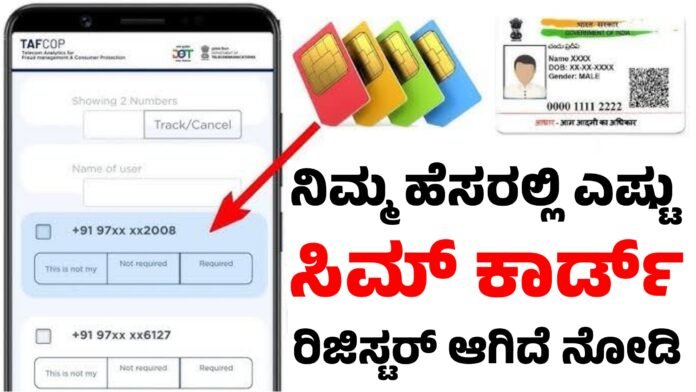
SIM Card Status Check – How Many SIM Cards Are Registered in Your Name? Find Out Now!

In today’s digital era, mobile SIM cards are not just a means of communication; they are an integral part of our daily lives. From personal conversations to critical banking transactions, SIM cards serve as the foundation for many of our essential activities.

But here’s the question – do you know how many SIM cards are currently registered under your name or linked to your Aadhaar number? In some cases, without your knowledge, someone might use your personal identification documents to obtain a SIM card illegally. This can lead to serious legal issues, cyber fraud, and even identity theft.

In this article, we’ll explain why it’s important to check your SIM card status regularly, how you can check it online from home using the official Government of India portal, and what to do if you discover an unauthorized SIM card in your name.


Why You Should Check the Number of SIM Cards Registered in Your Name

According to the guidelines of the Department of Telecommunications (DoT):

  • A single Aadhaar card can be linked to a maximum of nine SIM cards in most parts of India.
  • In certain regions like Jammu & Kashmir, Assam, and Northeastern states, the limit is six SIM cards per Aadhaar.

If someone manages to use your Aadhaar or other ID proof without your consent to obtain a SIM card, that SIM could potentially be misused for fraudulent activities, including phishing scams, financial fraud, or other illegal operations. The worst part? You could be held legally responsible until you prove your innocence.

Example: A woman in Chandigarh faced a legal nightmare when she discovered that a SIM card linked to her Aadhaar was used to commit a fraud worth ₹80 lakh. Such cases highlight why checking your SIM card status should be a regular habit.


How to Check How Many SIM Cards Are Linked to Your Name

The Government of India has made this process simple and accessible via the Sanchar Saathi portal. You don’t need to visit a telecom office – you can do it from your phone or computer in just a few minutes.

Step-by-Step Guide:

Step 1 – Visit the Official Portal
Go to the Sanchar Saathi platform by visiting:
🔗 https://sancharsaathi.gov.in (or directly use the TAFCOP service within the portal).

Step 2 – Enter Your Mobile Number

  • Type in your current active mobile number.
  • Enter the captcha code shown on the screen.
  • Click on ‘Validate Captcha’.

Step 3 – Verify with OTP

  • You’ll receive a 6-digit OTP on your entered mobile number.
  • Enter the OTP in the given field and click ‘Login’.

Step 4 – View the SIM Card List

  • Once logged in, you will see a list of SIM cards linked to your name.
  • For privacy reasons, only the first two and last two digits of each number will be displayed.

Step 5 – Take Action for Unauthorized SIMs

  • If you notice any SIM card that you did not authorize, click ‘Not My Number’ or ‘Not Required’ next to that entry.
  • Then click ‘Report’ to submit a request to cancel that SIM.
  • You will receive a tracking ID for follow-up.

What to Do If You Find an Unauthorized SIM Card

If you discover a SIM card in the list that you don’t own:

  1. Report Immediately via the Portal – Select the unauthorized number, mark it as Not My Number or Not Required, and submit the complaint.
  2. Save the Tracking ID – This will help you monitor the status of your complaint.
  3. Follow Up – The Department of Telecommunications will investigate and take action, which may include deactivating the SIM.

Safety Tips to Protect Your Identity from SIM Fraud

  1. Check Regularly – At least once every six months, use the TAFCOP/Sanchar Saathi portal to check your Aadhaar-linked SIM cards.
  2. Keep Your ID Proofs Secure – Do not share photocopies of Aadhaar, PAN, or other IDs unless absolutely necessary.
  3. Be Alert to Suspicious Calls – If you receive calls asking for OTPs or personal details, do not respond.
  4. Stay Aware of Cyber Scams – Avoid clicking unknown links sent via SMS, email, or messaging apps.
  5. Use Masked Aadhaar Copies – When giving ID proofs, use the ‘Masked Aadhaar’ option to hide your full number.

Additional Resources

  • Sanchar Saathi Mobile App – Download it for easy access to SIM-related services.
  • Official Portal – Sanchar Saathi Website
  • Helpline Numbers – 1963 or 1800-110-420

Why This Check is Essential for Everyone

Fraudsters often target individuals who are unaware of their SIM status. They might use unauthorized SIMs for crimes that leave you entangled in legal troubles. By taking just five minutes to check your SIM status today, you could save yourself from months of stress and financial loss.

This is especially important for:

  • People who frequently change phone numbers.
  • Those who have lost their Aadhaar card or ID proofs.
  • Elderly individuals who may not track their telecom services.
  • People living in rented houses or shared accommodations.

Status Check


Final Words

In a world where digital fraud is becoming increasingly sophisticated, being proactive is your best defense. The Government’s Sanchar Saathi portal gives you the power to check, verify, and take control of the SIM cards registered in your name.

✅ Take five minutes today to check your SIM status and secure your identity.


Vidyasiri ವಿದ್ಯಾರ್ಥಿಗಳಿಗೆ 15,000 ಸ್ಕಾಲರ್ಶಿಪ್.!

0


Vidyasiri Scholarship 2025-26 – ₹15,000 Financial Support for SSLC Students

The Government of Karnataka has been implementing several welfare schemes to ensure that students from economically weaker and socially disadvantaged backgrounds have access to quality education. Among these, the Vidyasiri Scholarship Scheme stands out as one of the most impactful initiatives for post-matric students.

For the academic year 2025-26, applications are now open for the Vidyasiri Scholarship, offering financial assistance of up to ₹15,000 for eligible students. This comprehensive guide will walk you through the objectives of the scheme, eligibility criteria, benefits, application process, required documents, and approval procedure.


What is the Vidyasiri Scholarship?

The Vidyasiri Scholarship is a flagship program by the Department of Backward Classes Welfare, Government of Karnataka, designed to provide financial aid to students pursuing post-matric courses in government, government-aided, and recognized private institutions.

Under this scheme:

  • Students who are not availing hostel facilities can receive ₹1,500 per month for 10 months, amounting to ₹15,000 annually.
  • The amount is directly credited to the student’s bank account through Direct Benefit Transfer (DBT).
  • This assistance covers part of the food and accommodation expenses, enabling students to focus on their studies without worrying about basic living costs.

Key Objectives of the Scheme

The Vidyasiri Scholarship aims to:

  1. Support hostel-less students – Many students who move to urban areas for higher studies are unable to secure hostel accommodation. This scheme provides them with monthly assistance to manage their rent and food expenses.
  2. Encourage higher education – By reducing the financial burden, the scheme helps students from backward classes continue their education after SSLC without dropping out due to monetary constraints.
  3. Promote equality in education – Ensuring that students from disadvantaged backgrounds have equal opportunities to pursue courses in reputed institutions.

Different Types of Vidyasiri Schemes

The Department of Backward Classes Welfare offers multiple benefits under the Vidyasiri umbrella, including:

  1. Post-Matric Scholarship – Monthly financial assistance for eligible students.
  2. Fee Reimbursement Scheme – Refund of college tuition fees for various professional and non-professional courses.
  3. Food & Accommodation Assistance – For students without hostel access, covering living expenses up to ₹15,000 per year.
  4. Special Scholarship for Nomadic & Semi-Nomadic Tribes (Category-I) – Exclusive benefits for students from these communities.

Important Date – The last date to apply for Vidyasiri Scholarship 2025-26 is September 30, 2025.


Eligibility Criteria for Vidyasiri Scholarship 2025-26

Students must meet the following conditions to qualify:

1. Residential Criteria

  • Must be a permanent resident of Karnataka.

2. Annual Family Income Limit

  • For General Backward Class students – Income should be less than ₹2,00,000 per annum.
  • For Category-I & Minority students – Income should be less than ₹2,50,000 per annum.

3. Educational Requirement

  • Must have passed the previous academic year without any backlogs.

4. Accommodation Condition

  • Should not be residing in a government or department-run hostel.
  • For rural students – The distance between home and college should be more than 5 km.
  • Students residing within Bengaluru BBMP limits, municipal towns, or city corporation areas are not eligible for the food & accommodation scheme.
  • Students staying in private hostels or paying guest (PG) facilities can apply.

How to Apply for Vidyasiri Scholarship 2025-26?

The entire application process is online via the State Scholarship Portal (SSP). Follow these steps:

Step 1 – Visit the Official Website

Go to ssp.postmatric.karnataka.gov.in.

Step 2 – Registration / Login

  • If you are a new user, create an account by entering your personal details.
  • If you already have an account, log in using your username and password.

Step 3 – Fill the Application Form

  • Select ‘Apply for Post-Matric Scholarship’.
  • Enter personal, educational, income, and accommodation details accurately.

Step 4 – Review Your Details

  • Carefully recheck all the entered details to avoid mistakes.

Step 5 – Submit and Print Application

  • After submission, download and print the acknowledgment.
  • Submit the printout with required documents to your college office for verification.

Documents Required for Vidyasiri Scholarship Application

Prepare scanned copies of the following:

  • Caste & Income Certificate (with RD Number)
  • Student’s Aadhaar Card
  • Parent’s/Guardian’s Aadhaar Card
  • SATS ID (for PUC students) or USN/Registration Number (for other courses)
  • Previous Year’s Marksheet
  • Medical Certificate (if applicable)

Scholarship Approval Process

Once the application is submitted, the following process takes place:

  1. Online Submission – Students submit applications through the SSP portal.
  2. College Verification – The principal verifies details and attached documents.
  3. Taluk Officer Review – The Taluk Backward Classes Welfare Officer checks and forwards to the district authority.
  4. District Officer Approval – The District Backward Classes Welfare Officer conducts final approval.
  5. Fund Transfer – Once approved, the scholarship amount is credited directly to the student’s Aadhaar-linked bank account via DBT.

Why This Scheme Matters

For many students, especially from rural and economically weaker families, the cost of living in cities while pursuing higher studies can be overwhelming. Rent, food, travel, and educational expenses combined often lead to dropouts.

The Vidyasiri Scholarship not only helps such students continue their education but also motivates them to aim higher in their academic journey. Since the process is entirely online, it ensures transparency and faster processing.


Final Advice for Applicants

  • Apply well before the deadline to avoid last-minute server issues.
  • Keep all documents ready and scanned in the required format.
  • Double-check eligibility before applying to prevent rejection.
  • Regularly check your SSP portal account for updates on application status.

By taking advantage of this scheme, eligible students can significantly reduce their financial burden and focus entirely on building a better future through education.


Application Link