Tuesday, November 24, 2026
spot_img
Home Blog Page 75

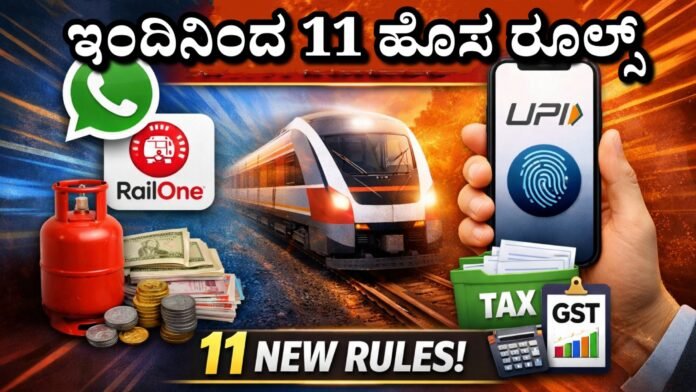
March ಇಂದಿನಿಂದ ಸಾರ್ವಜನಿಕರಿಗೆ 11 ಹೊಸ ರೂಲ್ಸ್.!

0

🚨 New Rules from March 1, 2026: WhatsApp, Railway, UPI ಸೇರಿದಂತೆ 11 ಪ್ರಮುಖ ಬದಲಾವಣೆಗಳು – ನಿಮ್ಮ ಜೀವನದ ಮೇಲೆ ನೇರ ಪರಿಣಾಮ!

March ಮಾರ್ಚ್ 1, 2026ರಿಂದ ದೇಶದಾದ್ಯಂತ ಹಲವು ಪ್ರಮುಖ ನಿಯಮಗಳು ಜಾರಿಯಾಗುತ್ತಿವೆ. ಡಿಜಿಟಲ್ ಭದ್ರತೆ, ಬ್ಯಾಂಕಿಂಗ್ ವ್ಯವಸ್ಥೆ, ರೈಲ್ವೆ ಸೇವೆ, ಯುಪಿಐ ಪಾವತಿ, ತೆರಿಗೆ ನಿಯಮಗಳು ಸೇರಿದಂತೆ ಅನೇಕ ಕ್ಷೇತ್ರಗಳಲ್ಲಿ ಬದಲಾವಣೆ ಕಂಡುಬರುತ್ತಿದೆ. ಈ ಹೊಸ ನಿಯಮಗಳು ಸಾಮಾನ್ಯ ನಾಗರಿಕರ ದೈನಂದಿನ ಜೀವನ, ಖರ್ಚು ಮತ್ತು ಡಿಜಿಟಲ್ ಬಳಕೆಯ ಮೇಲೆ ನೇರ ಪರಿಣಾಮ ಬೀರುವಂತಿವೆ.

ಈ ಲೇಖನದಲ್ಲಿ ಇಂದಿನಿಂದ ಜಾರಿಗೆ ಬರುವ 11 ಪ್ರಮುಖ ನಿಯಮಗಳು, ಅವುಗಳ ಉದ್ದೇಶ, ಪ್ರಯೋಜನಗಳು ಮತ್ತು ನಿಮ್ಮ ಮೇಲೆ ಬೀರುವ ಪರಿಣಾಮಗಳ ಕುರಿತು ಸಂಪೂರ್ಣ ಮಾಹಿತಿಯನ್ನು ನೀಡಲಾಗಿದೆ.


🔐 1. WhatsApp, Telegram ಗೆ SIM Binding ಕಡ್ಡಾಯ

WhatsApp
Telegram

ಡಿಜಿಟಲ್ ವಂಚನೆ ಪ್ರಕರಣಗಳು ಹೆಚ್ಚುತ್ತಿರುವ ಹಿನ್ನೆಲೆ, ಸರ್ಕಾರವು “SIM Binding” ನಿಯಮ ಜಾರಿಗೆ ತಂದಿದೆ. ಇದರ ಅರ್ಥ:

  • ನಿಮ್ಮ ಮೊಬೈಲ್‌ನಲ್ಲಿ ಇರುವ ಸಿಮ್ ಕಾರ್ಡ್‌ಗೆ ಮಾತ್ರ WhatsApp, Telegram, Signal ಖಾತೆಗಳು ಲಿಂಕ್ ಆಗಿರುತ್ತವೆ
  • ಸಿಮ್ ಕಾರ್ಡ್ ತೆಗೆದರೆ ಆ್ಯಪ್‌ಗಳು ತಕ್ಷಣವೇ ನಿಷ್ಕ್ರಿಯವಾಗುತ್ತವೆ
  • ಕೇವಲ WiFi ಬಳಸಿ ಖಾತೆ ನಿರ್ವಹಣೆ ಕಷ್ಟವಾಗಲಿದೆ
  • OTP ಆಧಾರಿತ ದೃಢೀಕರಣ ಇನ್ನಷ್ಟು ಕಠಿಣಗೊಳ್ಳಲಿದೆ

✔️ ಜನರಿಗೆ ಲಾಭ:

  • ಫೇಕ್ ಅಕೌಂಟ್‌ಗಳು ಕಡಿಮೆಯಾಗುತ್ತವೆ
  • ಸೈಬರ್ ಕ್ರೈಂ ನಿಯಂತ್ರಣಕ್ಕೆ ಸಹಕಾರ
  • ವೈಯಕ್ತಿಕ ಮಾಹಿತಿಗೆ ಹೆಚ್ಚುವರಿ ಭದ್ರತೆ

🚆 2. RailOne App – ರೈಲ್ವೆ ಟಿಕೆಟ್ ವ್ಯವಸ್ಥೆಯಲ್ಲಿ ಹೊಸ ಅಧ್ಯಾಯ

Indian Railways

ಹಳೆಯ UTS ಆ್ಯಪ್‌ಗೆ ಬದಲಾಗಿ “RailOne” ಆ್ಯಪ್ ಪರಿಚಯವಾಗುತ್ತಿದೆ.

📲 RailOne ವಿಶೇಷತೆಗಳು:

  • ಜನರಲ್ ಟಿಕೆಟ್ ಬುಕ್ಕಿಂಗ್
  • ಪ್ಲಾಟ್‌ಫಾರ್ಮ್ ಟಿಕೆಟ್
  • ಡಿಜಿಟಲ್ ಪಾವತಿ (UPI/Net Banking)
  • QR ಆಧಾರಿತ ಪ್ರವೇಶ ವ್ಯವಸ್ಥೆ

📌 ಪ್ರಯೋಜನ:

  • ಟಿಕೆಟ್ ಕೌಂಟರ್‌ಗಳ ಮುಂದೆ ಸರದಿ ಕಡಿಮೆ
  • ವೇಗವಾದ ಬುಕ್ಕಿಂಗ್
  • ಸಂಪೂರ್ಣ ಡಿಜಿಟಲ್ ಅನುಭವ

💰 3. LPG ಸಿಲಿಂಡರ್ ದರ ಪರಿಷ್ಕರಣೆ

Indian Oil Corporation

ಪ್ರತಿ ತಿಂಗಳ ಮೊದಲ ದಿನದಂತೆ LPG ದರ ಮರುಪರಿಶೀಲನೆ ನಡೆಯಲಿದೆ.

ವಿಭಾಗ ಸಾಧ್ಯ ಬದಲಾವಣೆ
ಗೃಹ ಬಳಕೆ ಸ್ಥಿರ ಅಥವಾ ಸಣ್ಣ ಏರಿಳಿತ
ವಾಣಿಜ್ಯ ಬಳಕೆ ಹೆಚ್ಚಿನ ಏರಿಳಿತ ಸಾಧ್ಯತೆ

ಪರಿಣಾಮ:

  • ಹೋಟೆಲ್, ರೆಸ್ಟೋರೆಂಟ್‌ಗಳ ಖರ್ಚು ಹೆಚ್ಚಾಗಬಹುದು
  • ಗೃಹಿಣಿಯರ ಬಜೆಟ್ ಮೇಲೆ ಪರಿಣಾಮ

🏦 4. ಬ್ಯಾಂಕ್ ಕನಿಷ್ಠ ಬ್ಯಾಲೆನ್ಸ್ ಲೆಕ್ಕಾಚಾರದಲ್ಲಿ ಬದಲಾವಣೆ

ಇನ್ನು ಮುಂದೆ ಒಂದು ದಿನದ ಬ್ಯಾಲೆನ್ಸ್ ಆಧಾರವಾಗುವುದಿಲ್ಲ.

ಹೊಸ ನಿಯಮ:

  • Average Monthly Balance (AMB) ಆಧಾರಿತ ಲೆಕ್ಕಾಚಾರ
  • ತಿಂಗಳ ಸರಾಸರಿ ಮೊತ್ತವನ್ನು ಪರಿಗಣನೆ

✔️ ಲಾಭ:

  • ಒಂದು ದಿನ ಹಣ ಕಡಿಮೆ ಇದ್ದರೂ ದಂಡ ತಪ್ಪಿಸಬಹುದು
  • ಗ್ರಾಹಕರಿಗೆ ಹೆಚ್ಚಿನ ಸೌಕರ್ಯ

💳 5. UPI ದೊಡ್ಡ ಮೊತ್ತದ ಪಾವತಿಗೆ ಬಯೋಮೆಟ್ರಿಕ್ ಕಡ್ಡಾಯ

National Payments Corporation of India

ದೊಡ್ಡ ಮೊತ್ತದ UPI ಪಾವತಿಗೆ:

  • PIN ಜೊತೆಗೆ Fingerprint ಅಥವಾ Face ID
  • Fraud ಟ್ರಾನ್ಸಕ್ಷನ್‌ಗಳಿಗೆ ತಡೆ

✔️ ಪ್ರಯೋಜನ:

  • ಹ್ಯಾಕಿಂಗ್ ಪ್ರಕರಣಗಳು ಕಡಿಮೆಯಾಗುತ್ತವೆ
  • ಸುರಕ್ಷಿತ ಡಿಜಿಟಲ್ ಪಾವತಿ ವ್ಯವಸ್ಥೆ

📑 6. Income Tax Filing ಪ್ರಕ್ರಿಯೆ ಸರಳೀಕರಣ

Income Tax Department

ಹೊಸ ITR ಫಾರ್ಮ್‌ಗಳು Pre-filled ಆಗಿರಲಿವೆ.

ವೈಶಿಷ್ಟ್ಯಗಳು:

  • ಬ್ಯಾಂಕ್ ಬಡ್ಡಿ ಮಾಹಿತಿ ಸ್ವಯಂ ಭರ್ತಿ
  • ವೇತನ ಮಾಹಿತಿ ಪೂರ್ವ ದಾಖಲೆ
  • ಕಡಿಮೆ ಕಾಗದ ಪತ್ರ

✔️ ಲಾಭ:

  • ಸಮಯ ಉಳಿತಾಯ
  • ದೋಷಗಳ ಕಡಿತ

🧾 7. GST ವ್ಯವಸ್ಥೆಯಲ್ಲಿ AI ಮೇಲ್ವಿಚಾರಣೆ

Goods and Services Tax Council

  • Input Tax Credit ಮೇಲೆ ಕಠಿಣ ಪರಿಶೀಲನೆ
  • ತಪ್ಪು ಮಾಹಿತಿ দিলে ತಕ್ಷಣ ಎಚ್ಚರಿಕೆ
  • Auto penalty ವ್ಯವಸ್ಥೆ

ಉದ್ದೇಶ:

  • ತೆರಿಗೆ ವಂಚನೆ ತಡೆ
  • ಪಾರದರ್ಶಕ ವ್ಯವಸ್ಥೆ

🏭 8. ಕಾರ್ಮಿಕ ಕಾನೂನುಗಳಲ್ಲಿ ಸುಧಾರಣೆ

  • ಉದ್ಯೋಗ ಸ್ಥಳದ ವಿವಾದಗಳಿಗೆ ವೇಗವಾದ ಪರಿಹಾರ
  • ಡಿಜಿಟಲ್ ದೂರು ಸಲ್ಲಿಕೆ ವ್ಯವಸ್ಥೆ
  • ಉದ್ಯೋಗಿಗಳ ಹಕ್ಕುಗಳ ರಕ್ಷಣೆ

ಪರಿಣಾಮ:

  • ಕೈಗಾರಿಕಾ ವಲಯದಲ್ಲಿ ಶಿಸ್ತು
  • ಕಾರ್ಮಿಕರಿಗೆ ನ್ಯಾಯಸಮ್ಮತ ವಾತಾವರಣ

✈️ 9. ವಿದೇಶಿ ಪ್ರಯಾಣಿಕರಿಗೆ Customs Duty ರಿಲೀಫ್

Central Board of Indirect Taxes and Customs

  • ಚಿನ್ನಾಭರಣ ಮಿತಿ ಹೆಚ್ಚಳ
  • ಲಗೇಜ್ ಸುಂಕ ಮಿತಿ ಸಡಿಲಿಕೆ

ಪ್ರಯೋಜನ:

  • ಪ್ರವಾಸಿಗರಿಗೆ ಸೌಲಭ್ಯ
  • ವಿಮಾನ ನಿಲ್ದಾಣದಲ್ಲಿ ಕಡಿಮೆ ತೊಂದರೆ

🏥 10. ಆರೋಗ್ಯ ಕ್ಷೇತ್ರದಲ್ಲಿ ವೇಗವಾದ ಅನುಮೋದನೆ

  • ಹೊಸ ಔಷಧಿಗಳಿಗೆ ವೇಗವಾದ ಅನುಮತಿ
  • ಕ್ಲಿನಿಕಲ್ ಟ್ರಯಲ್ ಪ್ರಕ್ರಿಯೆ ಸರಳೀಕರಣ
  • ಆರೋಗ್ಯ ಹೂಡಿಕೆ ಉತ್ತೇಜನ

ಪರಿಣಾಮ:

  • ಹೊಸ ಚಿಕಿತ್ಸೆ ಶೀಘ್ರ ಲಭ್ಯ
  • ಆಸ್ಪತ್ರೆಗಳ ಆಧುನೀಕರಣ

🤖 11. AI ಆಧಾರಿತ ತೆರಿಗೆ ಮೇಲ್ವಿಚಾರಣೆ

  • ತೆರಿಗೆ ದಾಖಲೆಗಳ ಸ್ವಯಂ ವಿಶ್ಲೇಷಣೆ
  • ಶಂಕಾಸ್ಪದ ವ್ಯವಹಾರಗಳಿಗೆ ತಕ್ಷಣ ಸೂಚನೆ
  • ಭ್ರಷ್ಟಾಚಾರ ನಿಯಂತ್ರಣ

ಉದ್ದೇಶ:

  • ಡಿಜಿಟಲ್ ಇಂಡಿಯಾ ಗುರಿ ಸಾಧನೆ
  • ಪಾರದರ್ಶಕ ಆಡಳಿತ

📊 ಹೊಸ ನಿಯಮಗಳ ಸಾರಾಂಶ ಪಟ್ಟಿಕೆ

ಕ್ಷೇತ್ರ ಬದಲಾವಣೆ ಜನರಿಗೆ ಪರಿಣಾಮ
ಡಿಜಿಟಲ್ ಆ್ಯಪ್ SIM Binding ಹೆಚ್ಚುವರಿ ಭದ್ರತೆ
ರೈಲ್ವೆ RailOne App ಸುಲಭ ಟಿಕೆಟ್ ಬುಕ್ಕಿಂಗ್
ಬ್ಯಾಂಕಿಂಗ್ AMB ನಿಯಮ ದಂಡ ಕಡಿತ
UPI ಬಯೋಮೆಟ್ರಿಕ್ ಸುರಕ್ಷಿತ ಪಾವತಿ
GST AI ನಿಯಂತ್ರಣ ತೆರಿಗೆ ಶಿಸ್ತು
Income Tax Pre-filled ITR ಸಮಯ ಉಳಿತಾಯ

📝 ಸಮಾಪನ

ಮಾರ್ಚ್ 1ರಿಂದ ಜಾರಿಗೆ ಬರುವ ಈ ನಿಯಮಗಳು ಸಾಮಾನ್ಯ ಜನರ ಜೀವನಶೈಲಿಯಲ್ಲಿ ಮಹತ್ವದ ಬದಲಾವಣೆ ತರಲಿವೆ. ಡಿಜಿಟಲ್ ಭದ್ರತೆ, ಬ್ಯಾಂಕಿಂಗ್ ಸುಧಾರಣೆ, ತೆರಿಗೆ ಪಾರದರ್ಶಕತೆ ಮತ್ತು ರೈಲ್ವೆ ವ್ಯವಸ್ಥೆಯಲ್ಲಿ ಆಧುನಿಕತೆ ಎಂಬ ಉದ್ದೇಶದಿಂದ ಈ ಕ್ರಮಗಳನ್ನು ಕೈಗೊಳ್ಳಲಾಗಿದೆ.

ನೀವು ಈ ಹೊಸ ನಿಯಮಗಳ ಬಗ್ಗೆ ಮುಂಚಿತವಾಗಿ ತಿಳಿದುಕೊಂಡರೆ ನಿಮ್ಮ ಹಣಕಾಸು ನಿರ್ವಹಣೆ ಮತ್ತು ಡಿಜಿಟಲ್ ಬಳಕೆ ಸುಗಮವಾಗುತ್ತದೆ.

Gold Rate ಇಂದಿನ ಚಿನ್ನದ ಬೆಲೆ

0

Gold Rate ಇಂದಿನ ಚಿನ್ನದ ಬೆಲೆ – ಮಾರ್ಚ್ 1, 2026 ಮಾರುಕಟ್ಟೆ ಅಪ್ಡೇಟ್

Gold Rate ಆಭರಣ ಪ್ರಿಯರಿಗೆ ಬೇಸರದ ಸುದ್ದಿ ಚಿನ್ನದ ಬೆಲೆ ಏಕಾಏಕಿ ಒಂದೇ ದಿನಕ್ಕೆ 1 ಗ್ರಾಂ ಗೆ 714 ರೂಪಾಯಿ ಏರಿಕೆ ಆಗಿದೆ, ಅಂದರೆ 10 ಗ್ರಾಂ ಗೆ 7140 ರೂಪಾಯಿ ಏರಿಕೆಯಾಗಿದೆ. ಮಾರ್ಚ್ ಮೊದಲ ದಿನವೇ ಈ ಪರಿ ಚಿನ್ನದ ಬೆಲೆ ಏರಿಕೆ ಆಗಿರುವುದು ಆಭರಣ ಪ್ರಿಯರಿಗೆ ಬೇಸರದ ಸುದ್ದಿಯಾಗಿದೆ.! ಫೆಬ್ರವರಿ 28 ರಂದು 14760 ರೂಪಾಯಿ ಇದ್ದ ಬೆಲೆ, ಇಂದು ಮಾರ್ಚ್1ನೇ ತಾರೀಖು 15465 ರೂಪಾಯಿ ಆಗಿದೆ. ಇರಾನ್ ಇಸ್ರೇಲ್ ಯುದ್ದ ಪ್ರಾರಂಭವಾದ ಕಾರಣ ಚಿನ್ನದ ಬೆಲೆ ಹೆಚ್ಚಾಗಿದೆ ಎಂದು ಮಾರುಕಟ್ಟೆ ತಜ್ಞರು ಅಭಿಪ್ರಾಯ ಪಟ್ಟಿದ್ದಾರೆ. ಯುದ್ಧ ಹೀಗೆ ಮುಂದುವರೆದ ಚಿನ್ನದ ಬೆಲೆ ಇನ್ನೂ ಹೆಚ್ಚಾಗಬಹುದು

📅 Gold Rate ಮಾರುಕಟ್ಟೆ ಮಾಹಿತಿ – 01 ಮಾರ್ಚ್ 2026

ಮಾರ್ಚ್ ತಿಂಗಳ ಮೊದಲ ದಿನವೇ ಚಿನ್ನದ ಮಾರುಕಟ್ಟೆಯಲ್ಲಿ ಗಮನಾರ್ಹ ಬದಲಾವಣೆ ಕಂಡುಬಂದಿದೆ. ಮದುವೆ ಹಾಗೂ ಶುಭಕಾರ್ಯಗಳ ಸೀಸನ್ ಆರಂಭವಾಗುತ್ತಿರುವ ಹಿನ್ನೆಲೆಯಲ್ಲಿ ಬೆಂಗಳೂರು ಸೇರಿದಂತೆ ರಾಜ್ಯದಾದ್ಯಂತ ಆಭರಣ ಖರೀದಿಸಲು ಯೋಜನೆ ಮಾಡಿರುವವರು ಇಂದಿನ ದರಗಳತ್ತ ಕಣ್ಣುಹಾಯಿಸಿದ್ದಾರೆ.

ಬೆಳಿಗ್ಗೆ 7:00 ಗಂಟೆಗೆ ಮಾರುಕಟ್ಟೆ ಪರಿಶೀಲನೆಯ ಪ್ರಕಾರ ಇಂದಿನ ದರಗಳು ಹೀಗಿವೆ:


💰 ಬೆಂಗಳೂರಿನಲ್ಲಿ ಇಂದಿನ ಚಿನ್ನ ಮತ್ತು ಬೆಳ್ಳಿ ಬೆಲೆ

ಲೋಹ ಶುದ್ಧತೆ ದರ
ಚಿನ್ನ 24 ಕ್ಯಾರೆಟ್ (10 ಗ್ರಾಂ) ₹1,68,710
ಚಿನ್ನ 22 ಕ್ಯಾರೆಟ್ (10 ಗ್ರಾಂ) ₹1,54,650
ಬೆಳ್ಳಿ 1 ಕಿಲೋ ₹2,95,000

📊 ಕರ್ನಾಟಕದಲ್ಲಿ ಚಿನ್ನದ ದರ – ವಿವರವಾದ ಲೆಕ್ಕಾಚಾರ

🔹 1 ಗ್ರಾಂ ಚಿನ್ನ

ಶುದ್ಧತೆ ದರ
18 ಕ್ಯಾರೆಟ್ ₹12,653
22 ಕ್ಯಾರೆಟ್ ₹15,465
24 ಕ್ಯಾರೆಟ್ ₹16,871

🔹 8 ಗ್ರಾಂ ಚಿನ್ನ

ಶುದ್ಧತೆ ದರ
18 ಕ್ಯಾರೆಟ್ ₹1,01,224
22 ಕ್ಯಾರೆಟ್ ₹1,23,720
24 ಕ್ಯಾರೆಟ್ ₹1,34,968

🔹 10 ಗ್ರಾಂ ಚಿನ್ನ

ಶುದ್ಧತೆ ದರ
18 ಕ್ಯಾರೆಟ್ ₹1,26,530
22 ಕ್ಯಾರೆಟ್ ₹1,54,650
24 ಕ್ಯಾರೆಟ್ ₹1,68,710

🔹 100 ಗ್ರಾಂ ಚಿನ್ನ

ಶುದ್ಧತೆ ದರ
18 ಕ್ಯಾರೆಟ್ ₹12,65,300
22 ಕ್ಯಾರೆಟ್ ₹15,46,500
24 ಕ್ಯಾರೆಟ್ ₹16,87,100

🏙️ ಪ್ರಮುಖ ನಗರಗಳಲ್ಲಿ 22 ಕ್ಯಾರೆಟ್ ಚಿನ್ನದ ದರ (1 ಗ್ರಾಂ)

ನಗರ ದರ
ಚೆನ್ನೈ ₹15,550
ಮುಂಬೈ ₹15,463
ದೆಹಲಿ ₹15,465
ಕೋಲ್ಕತ್ತಾ ₹15,465
ಬೆಂಗಳೂರು ₹15,465
ಹೈದರಾಬಾದ್ ₹15,465
ಕೇರಳ ₹15,465
ಪುಣೆ ₹15,465
ವಡೋದರಾ ₹15,470
ಅಹಮದಾಬಾದ್ ₹15,470

🥈 ಪ್ರಮುಖ ನಗರಗಳಲ್ಲಿ ಬೆಳ್ಳಿ ದರ (1 ಕಿಲೋ)

ನಗರ ದರ
ಚೆನ್ನೈ ₹3,20,000
ಮುಂಬೈ ₹2,95,000
ದೆಹಲಿ ₹2,95,000
ಕೋಲ್ಕತ್ತಾ ₹2,95,000
ಬೆಂಗಳೂರು ₹2,95,000
ಹೈದರಾಬಾದ್ ₹3,20,000
ಕೇರಳ ₹3,20,000
ಪುಣೆ ₹2,95,000
ವಡೋದರಾ ₹2,95,000
ಅಹಮದಾಬಾದ್ ₹2,95,000

📉 ಚಿನ್ನದ ಬೆಲೆ ಏಕೆ ಬದಲಾಗುತ್ತಿದೆ?

ಚಿನ್ನದ ದರದಲ್ಲಿ ಆಗುವ ಏರಿಳಿತಕ್ಕೆ ಹಲವು ಕಾರಣಗಳಿವೆ:

  • 🌍 ಅಂತಾರಾಷ್ಟ್ರೀಯ ಮಾರುಕಟ್ಟೆಯ ಚಲನೆ
  • 💵 ಅಮೆರಿಕನ್ ಡಾಲರ್ ಬಲ ಹಾಗೂ ಬಡ್ಡಿದರಗಳು
  • 📦 ಆಮದು ಸುಂಕ ಮತ್ತು ಸರ್ಕಾರದ ನೀತಿಗಳು
  • 💍 ಮದುವೆ ಮತ್ತು ಹಬ್ಬಗಳ ಕಾಲದಲ್ಲಿ ಬೇಡಿಕೆ
  • 📈 ಹೂಡಿಕೆದಾರರ ಮನೋಭಾವ


💍 ಈಗ ಖರೀದಿ ಮಾಡಲು ಸರಿಯಾದ ಸಮಯವೇ?

ತಜ್ಞರ ಅಭಿಪ್ರಾಯ ಪ್ರಕಾರ:

  • ಮದುವೆ ಅಥವಾ ಶುಭಕಾರ್ಯಗಳಿಗೆ ಆಭರಣ ಖರೀದಿ ಯೋಜನೆ ಇದ್ದರೆ ಈಗಿನ ದರದಲ್ಲಿ ಬುಕ್ಕಿಂಗ್ ಮಾಡುವುದು ಒಳ್ಳೆಯ ಆಯ್ಕೆಯಾಗಬಹುದು.
  • ಆದರೆ ದರಗಳು ಪ್ರತಿದಿನ ಬದಲಾಗುತ್ತವೆ, ಆದ್ದರಿಂದ ನಿರಂತರವಾಗಿ ಗಮನಿಸಿ.
  • ಮೇಲಿನ ದರಗಳಲ್ಲಿ GST, TCS ಹಾಗೂ ಮೇಕಿಂಗ್ ಚಾರ್ಜ್ ಒಳಗೊಂಡಿಲ್ಲ.
  • ನಿಖರವಾದ ಬಿಲ್ ಮೊತ್ತಕ್ಕಾಗಿ ನಿಮ್ಮ ಹತ್ತಿರದ ಜ್ಯುವೆಲ್ಲರಿ ಅಂಗಡಿಯನ್ನು ಸಂಪರ್ಕಿಸಿ.
  • ಹಾಲ್‌ಮಾರ್ಕ್ ಪ್ರಮಾಣಪತ್ರ ಪರಿಶೀಲಿಸಿ ಖರೀದಿ ಮಾಡಿ.

📌 ಪ್ರಮುಖ ಅಂಶಗಳು

  • ಮಾರ್ಚ್ 1ರಿಂದ ಚಿನ್ನದ ದರದಲ್ಲಿ ಸ್ವಲ್ಪ ಇಳಿಕೆ
  • 22 ಕ್ಯಾರೆಟ್ (10 ಗ್ರಾಂ) – ₹1,54,650
  • 24 ಕ್ಯಾರೆಟ್ (10 ಗ್ರಾಂ) – ₹1,68,710
  • ಬೆಳ್ಳಿ (1 ಕಿಲೋ) – ₹2,95,000
  • ಮದುವೆ ಸೀಸನ್ ಬೇಡಿಕೆ ಮುಂದಿನ ದಿನಗಳಲ್ಲಿ ದರವನ್ನು ಪ್ರಭಾವಿಸಬಹುದು

,

Karnataka ಮನೆ ಕಟ್ಟೋಕೆ ₹8 ಲಕ್ಷ ಸಬ್ಸಿಡಿ ಸಿಗಲಿದೆ.!

0

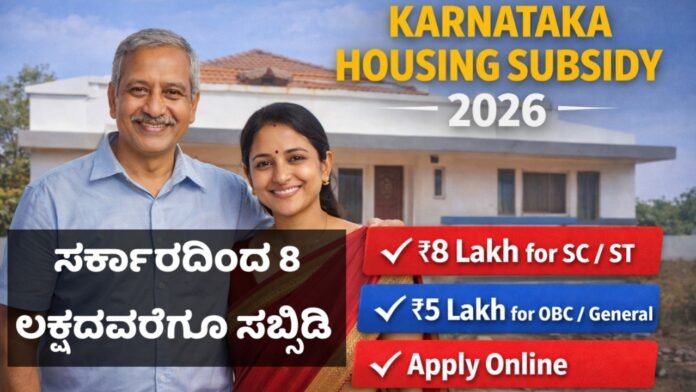
Karnataka Housing Subsidy 2026 – Get ₹8 Lakh for SC/ST & ₹5 Lakh for OBC/General Families

Owning a home is a dream for millions of families across India. In 2026, the Government of Karnataka has strengthened its efforts to help low-income, backward class families make this dream a reality. Under various housing support programs, eligible families can receive significant financial subsidies—up to ₹8 lakh for SC/ST households and up to ₹5 lakh for OBC and General category applicants—to build or renovate their homes. These subsidies bring relief from financial stress and help improve living standards for vulnerable communities.

In this detailed guide, you will learn how the subsidy works, eligibility requirements, necessary documents, step-by-step application instructions, benefits, and where to apply online officially.

What Is the Karnataka Housing Subsidy (2026)?

The Karnataka Housing Subsidy 2026 is a government-led initiative that provides financial assistance to citizens who want to build a safe and permanent home but lack the funds to do so. This subsidy scheme is part of broader state and central housing programs that aim to make housing affordable and accessible to economically disadvantaged families, especially in rural and urban areas.

Under the scheme:

  • SC/ST families can get up to ₹8 lakh in subsidy support.

  • General and OBC families can receive up to ₹5 lakh, depending on income and category.

  • Subsidy is directly transferred to the beneficiary’s bank account through Direct Benefit Transfer (DBT) after approval.

These funds can be used to construct a new house, expand an existing structure, or undertake essential repairs depending on the scheme you apply under.

How Does the Subsidy Work?

The subsidy is not a loan you have to pay back. It is financial support given by the government to reduce the total cost of house construction or improvement. Once your application is approved and verified, the subsidy amount is credited directly to your linked bank account.

In most cases, the subsidy funds are released in stages as construction progresses:

  1. First installment after initial approval and land verification.

  2. Second installment after partial construction (e.g., walls and roof).

  3. Final installment when the house construction is complete.

This phased transfer ensures funds are used only for housing purposes and helps beneficiaries monitor progress more responsibly.


Who Is Eligible for the Karnataka Housing Subsidy?

To qualify for this subsidy, you must meet specific eligibility criteria set by the Karnataka government. These criteria ensure only deserving families receive the benefit. While detailed rules may vary slightly by scheme, the basic eligibility is as follows:

1. Residency

  • The applicant must be a permanent resident of Karnataka.

  • Proof of residence such as domicile or voter ID is typically required.

2. Caste or Category

  • SC/ST families are eligible for the highest subsidy amount (up to ₹8 lakh).

  • OBC and General categories are eligible for up to ₹5 lakh in support.

3. Income Limits

  • Your family income must fall within prescribed limits as defined under the respective schemes (often aligned with EWS/LIG criteria).

  • Income certificates are required for verification.

4. No Pucca House Ownership

  • The applicant must not own a permanent (pucca) house anywhere in India.

  • This ensures support reaches families without adequate housing.

5. Land Ownership or Valid Site

  • You must either own land or have a valid sanctioned site where the house will be constructed.

  • Proof of land ownership or legal site document is essential.

6. Aadhaar and Bank Linking

  • Aadhaar card and bank account must be linked to receive direct benefit transfer.

  • Your Aadhaar should match the name and details in your application.

Documents Required for Application

Prepare clear and readable copies of the following documents before you start the application process:

✔ Aadhaar Card (for identity verification)
✔ Caste Certificate (for SC/ST/OBC applicants)
✔ Income Certificate (to prove income status)
✔ Residence Proof (Domicile, voter ID, etc.)
✔ Land Ownership or Site Document
✔ Bank Passbook / Bank Details
✔ Passport-size Photographs
✔ Any other documents as required by the specific housing scheme

Having these documents ready makes the process smoother and speeds up verification.

How to Apply Online (Step-by-Step)

You can apply for the Karnataka Housing Subsidy 2026 through the official government housing portals. Below is a simple step-by-step process to help you complete your online application:

Step 1 — Visit the Official Housing Website

Go to the official Karnataka housing board or housing corporation portal.
➡️ Apply Online: https://ashraya.karnataka.gov.in (Official portal for housing assistance and subsidy schemes)

Step 2 — Log In or Register

If you are a new user, create an account using your Aadhaar number and mobile number. Existing users can log in directly.

Step 3 — Start a New Application

Select the relevant housing scheme from the available options (such as Basava Vasati Yojana, Ambedkar Housing Scheme, or others that include subsidy support).

Step 4 — Fill in Personal Details

Enter your name, contact details, caste category, income, land information, and other personal details accurately.

Step 5 — Upload Required Documents

Upload all required documents as per the format and size guidelines.

Step 6 — Review and Submit

Double-check all entered details and submitted documents. Once confirmed, submit your application.

Step 7 — Track Your Application

After submission, you will receive an application number. You can use this number to track the status of your application online.


How Verification and Selection Works

Once you submit your online application, it goes through multiple verification stages:

  1. Initial Verification — Government officials check your documents and eligibility details.

  2. Local Authority Check — Local bodies (like Gram Panchayat or Urban development officers) verify land ownership, income, and residence.

  1. Final Approval — After successful verification, your application is approved and included in the beneficiary list.

  2. Subsidy Transfer — The approved subsidy amount is released in stages directly to your bank account via DBT.

Priority is typically given to the most vulnerable families, such as those who are homeless, widowed, differently-abled, or from SC/ST categories, but other eligible applicants are also supported.


Benefits of the Karnataka Housing Subsidy

Receiving this housing subsidy can dramatically reduce the financial burden of owning a home. Here’s how beneficiaries benefit:

🏠 Lower Construction Costs – Subsidy covers a large portion of expenses.
💰 Direct Benefit Transfer – Money goes straight into your bank account.
🏡 Permanent Housing – Enables construction of pucca houses.
📈 Improved Living Conditions – Better homes enhance safety and quality of life.
💪 Supports Urban and Rural Families – Helps both city dwellers and villagers.

For many low and middle-income families, this subsidy makes owning a safe and stable home possible, even when personal savings are limited.

Conclusion — A Life-Changing Opportunity for Housing

The Karnataka Housing Subsidy 2026 is one of the most impactful welfare initiatives for families dreaming of their own home. With up to ₹8 lakh for SC/ST families and ₹5 lakh for OBC and General categories, the government is extending meaningful support that can help reduce poverty and uplift living standards.

To turn your housing dream into reality, be sure to check your eligibility, gather all documents, and apply through the official portal:

Apply link

Remember, accurate details and genuine documents can speed up verification and help secure subsidy approval faster.

Electricity ಜಮೀನಿನಲ್ಲಿ ಕರೆಂಟ್ ಕಂಬ ಇದ್ದರೆ ಸರ್ಕಾರದಿಂದ 10 ಸಾವಿರ ಸಿಗಲಿದೆ‌!

0

Karnataka Electricity Pariharadhana (Karnataka Gruha Jyothi Scheme 2026) – Free Electric Units, Eligibility & How to Apply

Electricity costs are one of the biggest household expenses for families across India. To ease this burden for millions of residents in Karnataka, the state government launched a powerful welfare scheme known locally as Electric Pariharadhana — officially titled the Karnataka Gruha Jyothi Scheme. This initiative provides significant relief to ordinary families by offering free electricity up to a certain limit every month, helping reduce monthly bills and ensuring basic energy needs are met with less financial stress.

In this guide, you’ll learn what the scheme offers, who qualifies, what documents are needed, how to apply both online and offline, the exact link where you can register, and key tips to ensure smooth approval.

What Is Electric Pariharadhana / Gruha Jyothi Scheme?

Electric Pariharadhana is essentially the Gruha Jyothi Scheme implemented by the Government of Karnataka to support household electricity consumers. Under this program, eligible residential consumers get up to 200 units of electricity free every month — meaning that if a household uses less than or equal to 200 units of power in a billing cycle, their bill will show “zero amount payable”.

This scheme was introduced as part of the government’s efforts to reduce living costs, support low- and middle-income families, and make electricity more affordable — especially for everyday household needs like lighting, fans, refrigerators, mobile charging, and other essential appliances.

Why This Scheme Matters

Electricity bills can take a big portion of a family’s monthly budget, especially during summer months when usage skyrockets. With rising inflation and costs of daily living, many households struggle to pay utility bills. The Electric Pariharadhana / Gruha Jyothi Scheme helps:

✔ Reduce monthly electricity expenses significantly
✔ Offer financial relief to families earning modest incomes
✔ Incentivize efficient and responsible power usage
✔ Ensure consistent access to energy in both urban and rural areas

Because of such widespread benefits, millions of households across Karnataka have been enrolling and taking advantage of the subsidy.

Who Is Eligible for This Scheme?

To qualify for the Electric Pariharadhana / Gruha Jyothi program, applicants must meet the following general criteria:

✔ Resident of Karnataka State – Only people living in Karnataka can apply.
✔ Domestic Electricity Connection – The scheme is for residential (household) electricity meters, not commercial or industrial units.
✔ Electricity Usage ≤ 200 Units/month – The average consumption must be below 200 units per month.

A few more points about eligibility:

  • Even tenants can benefit from the scheme, as long as they submit valid proof and their Aadhaar is linked with the electricity consumer ID.

  • It’s advisable to maintain your meter consumption under 200 units to stay eligible — if usage exceeds 200 units, standard billing applies without subsidy.

  • Only one electricity connection per household will be covered under this benefit.

What Benefits Do You Get?

Households approved under the Electric Pariharadhana / Gruha Jyothi Scheme receive the following key benefits:

🔹 Free Electricity up to 200 Units Per Month

If your monthly power consumption is 200 units or less, you will not be charged for electricity. Your bill will show zero amount payable for those units.

🔹 Reduced Monthly Household Costs

This benefit can save families a substantial amount — sometimes over ₹1,000 per month depending on usage and local tariffs.

🔹 Inclusive Support

It applies to all residential consumers, whether they are homeowners or tenants, as long as eligibility requirements are met.

🔹 Accessible to a Wide Range of Households

From single-room flats to larger family homes, this scheme is available to anyone meeting the basic criteria across Karnataka.

Documents You Must Prepare

Before you begin your application under the Electric Pariharadhana / Gruha Jyothi program, make sure you have these documents ready:

📌 Aadhaar Card – For identity verification
📌 Latest Electricity Bill – To confirm consumer ID/account number
📌 Consumer ID/Account ID – Found on your electricity bill
📌 Residential Proof / Rent Agreement (if tenant) – Helps establish address if required

Having these documents handy makes the process faster and reduces the chances of rejection.

How to Apply Online (Step-by-Step)

Applying online is one of the easiest ways to enroll for this subsidy. Follow these steps to complete your application:

✔️ Step 1: Visit the Official Portal

Go to the official Karnataka government portal for citizen services:

Apply link

✔️ Step 2: Login or Register

If you already have an account, log in. Otherwise, register using your Aadhaar and mobile number.

✔️ Step 3: Locate the Scheme

Search for the “Gruha Jyothi Scheme” or “Electric Pariharadhana” section on the portal.

✔️ Step 4: Fill in Details

Enter your Aadhaar number, electricity consumer ID, name, address, and mobile number.

✔️ Step 5: Upload Documents

Upload your Aadhaar, recent electricity bill, and any other required proofs.

✔️ Step 6: Submit & Track

Submit your application and save your acknowledgment receipt. You can track your status on the portal using your application ID.

Offline Application Option

If you face difficulties applying online, you can also visit:

🏢 Karnataka One Centres
🏢 Grama One Centres
🏢 Bangalore One Centres

These service centers can help you fill out and submit the Gruha Jyothi application form offline.

Tips to Ensure Smooth Approval

💡 Keep Average Usage Below 200 Units — Use energy-efficient appliances and mindful consumption.
💡 Link Aadhaar With Your Electricity Account — This is required for fast processing.
💡 Check Bill Accuracy Before Applying — Your consumer ID and name must match your Aadhaar.
💡 Apply Early in the Enrollment Window — Certain years may have specific application deadlines on the portal.

Final Thoughts

The Electric Pariharadhana / Gruha Jyothi Scheme stands out as one of Karnataka’s most impactful welfare programs. By offering free electricity up to 200 units per month, it not only reduces monthly expenses for households but also supports sustainable living and economic relief for a wide population. Whether you are a homeowner or a tenant, understanding and applying for this scheme can bring real savings and quieter peace of mind when it comes to electricity bills.

Apply today using the official portal — start your application at: 👉 https://www.sevasindhu.karnataka.gov.in

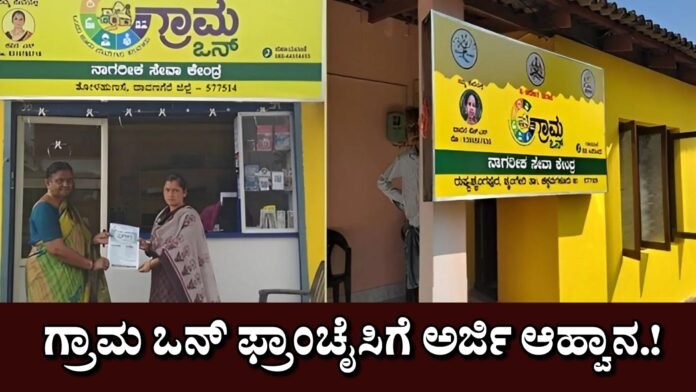
Grama one ‘ಗ್ರಾಮ ಒನ್’ ಪ್ರಾಂಚೈಸಿಗೆ ಅರ್ಜಿ ಆಹ್ವಾನ.!

0

Grama one ಸ್ವಂತ ಉದ್ಯೋಗದ ಕನಸು ಈಗ ಸಾಕಾರ.! ಗ್ರಾಮೀಣ ಯುವಕರಿಗೆ ಸರ್ಕಾರದಿಂದ ‘ಗ್ರಾಮ ಒನ್’ ಕೇಂದ್ರ ಸ್ಥಾಪನೆಗೆ ಭರ್ಜರಿ ಅವಕಾಶ

ಗ್ರಾಮೀಣ ಭಾಗದಲ್ಲಿ ಓದಿ ಕೆಲಸಕ್ಕಾಗಿ ನಗರಕ್ಕೆ ವಲಸೆ ಹೋಗಬೇಕೆಂಬ ಅನಿವಾರ್ಯತೆ ದಿನೇದಿನೇ ಕಡಿಮೆಯಾಗುತ್ತಿದೆ. ಕಾರಣ – ಸರ್ಕಾರದ ಡಿಜಿಟಲ್ ಸೇವೆಗಳು ಈಗ ಗ್ರಾಮ ಮಟ್ಟಕ್ಕೆ ತಲುಪುತ್ತಿವೆ. ಇಂತಹ ಸಂದರ್ಭದಲ್ಲಿ ರಾಜ್ಯ ಸರ್ಕಾರದ ಮಹತ್ವದ ಯೋಜನೆಯಾದ Karnataka Government ಮುಂದಾಳತ್ವದಲ್ಲಿ ಕಾರ್ಯನಿರ್ವಹಿಸುತ್ತಿರುವ Gram One ಕೇಂದ್ರಗಳು ಯುವಕರಿಗೆ ಸ್ವಂತ ಉದ್ಯಮ ಆರಂಭಿಸಲು ಅಪೂರ್ವ ಅವಕಾಶ ಒದಗಿಸುತ್ತಿವೆ.

ಕನಿಷ್ಠ 2ನೇ ಪಿಯುಸಿ ವಿದ್ಯಾರ್ಹತೆ ಹೊಂದಿರುವ ಯುವಕರು ತಮ್ಮದೇ ಊರಿನಲ್ಲಿ ಗೌರವಯುತ ಸ್ವಯಂ ಉದ್ಯೋಗವನ್ನು ಆರಂಭಿಸಿ, ಸರ್ಕಾರದ ನೂರಾರು ಸೇವೆಗಳನ್ನು ಜನರಿಗೆ ತಲುಪಿಸಬಹುದಾಗಿದೆ.


📌 ಮುಖ್ಯಾಂಶಗಳ ಸಣ್ಣ ಪರಿಚಯ

  • 🎓 ಕನಿಷ್ಠ 2ನೇ ಪಿಯುಸಿ ಉತ್ತೀರ್ಣರಾದವರಿಗೆ ಅರ್ಹತೆ
  • 💻 ಕಂಪ್ಯೂಟರ್ ಜ್ಞಾನ ಕಡ್ಡಾಯ
  • 💰 ₹1–2 ಲಕ್ಷ ಪ್ರಾರಂಭಿಕ ಹೂಡಿಕೆ ಅಗತ್ಯ
  • 🏢 ಗ್ರಾಮ ಮಟ್ಟದಲ್ಲಿ ಸರ್ಕಾರದ ಸೇವೆಗಳ ಏಕಗವಾಕ್ಷಿ ಕೇಂದ್ರ
  • 📈 ಉತ್ತಮ ಆದಾಯದ ಜೊತೆಗೆ ಸಾಮಾಜಿಕ ಗೌರವ

🏢 ಗ್ರಾಮ ಒನ್ ಕೇಂದ್ರ ಎಂದರೇನು?

ಗ್ರಾಮೀಣ ಜನರು ಸರ್ಕಾರಿ ಕಚೇರಿಗಳ ಸುತ್ತಾಡದೆ, ತಮ್ಮ ಊರಿನಲ್ಲೇ ವಿವಿಧ ಇಲಾಖೆಗಳ ಸೇವೆಗಳನ್ನು ಪಡೆಯಲು ನಿರ್ಮಿಸಲಾದ ಡಿಜಿಟಲ್ ಸೇವಾ ಕೇಂದ್ರವೇ ‘ಗ್ರಾಮ ಒನ್’.

ಈ ಕೇಂದ್ರಗಳಲ್ಲಿ ನಾಗರಿಕರಿಗೆ ಕೆಳಗಿನ ಸೇವೆಗಳು ಲಭ್ಯ:

  • ಜಾತಿ ಪ್ರಮಾಣ ಪತ್ರ
  • ಆದಾಯ ಪ್ರಮಾಣ ಪತ್ರ
  • ಪಹಣಿ/RTC
  • ವಾಸಸ್ಥಳ ಪ್ರಮಾಣ ಪತ್ರ
  • ವಿದ್ಯುತ್/ನೀರು ಬಿಲ್ ಪಾವತಿ
  • ಪಿಂಚಣಿ ಅರ್ಜಿ
  • ವಿದ್ಯಾರ್ಥಿ ವಿದ್ಯಾರ್ಥಿವೇತನ ಅರ್ಜಿ
  • ವಾಹನ ನೋಂದಣಿ ಸೇವೆಗಳು
  • ಉದ್ಯೋಗ ನೋಂದಣಿ

ಇವುಗಳ ಮೂಲಕ ಗ್ರಾಮಸ್ಥರಿಗೆ ಸಮಯ ಮತ್ತು ಹಣ ಎರಡೂ ಉಳಿಯುತ್ತದೆ.


🎯 ಯಾರು ಅರ್ಜಿ ಹಾಕಬಹುದು?

ಗ್ರಾಮ ಒನ್ ಫ್ರಾಂಚೈಸಿ ಪಡೆಯಲು ಇಚ್ಛಿಸುವವರು ಕೆಳಗಿನ ಅರ್ಹತೆಗಳನ್ನು ಪೂರೈಸಬೇಕು:

🎓 ವಿದ್ಯಾರ್ಹತೆ

  • ಕನಿಷ್ಠ 2ನೇ ಪಿಯುಸಿ ಪಾಸ್
  • ITI, ಡಿಪ್ಲೊಮಾ, ಪದವಿ ಅಥವಾ ಸ್ನಾತಕೋತ್ತರ ಪದವಿದಾರರಿಗೆ ಆದ್ಯತೆ

💻 ತಾಂತ್ರಿಕ ಜ್ಞಾನ

  • ಮೂಲಭೂತ ಕಂಪ್ಯೂಟರ್ ಪರಿಚಯ
  • MS Office, ಸ್ಕ್ಯಾನಿಂಗ್, ಪ್ರಿಂಟಿಂಗ್ ಕಾರ್ಯಗಳಲ್ಲಿ ಅನುಭವ

🏠 ನಿವಾಸ ಪ್ರಮಾಣ

  • ಕರ್ನಾಟಕದ ಖಾಯಂ ನಿವಾಸಿಯಾಗಿರಬೇಕು

💰 ಹೂಡಿಕೆ ಸಾಮರ್ಥ್ಯ

  • ₹1,00,000 ರಿಂದ ₹2,00,000 ರವರೆಗೆ ಪ್ರಾರಂಭಿಕ ಬಂಡವಾಳ

📑 ಅಗತ್ಯ ದಾಖಲೆಗಳ ಪಟ್ಟಿ

ಅರ್ಜಿ ಸಲ್ಲಿಸುವ ಮೊದಲು ಕೆಳಗಿನ ದಾಖಲೆಗಳನ್ನು ಸಿದ್ಧವಾಗಿಟ್ಟುಕೊಳ್ಳಿ:

ಕ್ರಮ ದಾಖಲೆ ವಿವರ
1 ಆಧಾರ್ ಕಾರ್ಡ್ ಗುರುತಿನ ದೃಢೀಕರಣ
2 ಪ್ಯಾನ್ ಕಾರ್ಡ್ ಹಣಕಾಸು ವ್ಯವಹಾರಗಳಿಗೆ
3 ವಿದ್ಯಾರ್ಹತೆ ಪ್ರಮಾಣಪತ್ರ 2ನೇ ಪಿಯುಸಿ/ಪದವಿ ಅಂಕಪಟ್ಟಿ
4 ಬ್ಯಾಂಕ್ ಪಾಸ್‌ಬುಕ್ ಖಾತೆ ವಿವರ
5 ವಿಳಾಸದ ಪುರಾವೆ ರೇಷನ್ ಕಾರ್ಡ್/ವೋಟರ್ ಐಡಿ
6 ಪೊಲೀಸ್ ಪರಿಶೀಲನೆ ನಡತೆ ಪ್ರಮಾಣ ಪತ್ರ
7 ಪಾಸ್‌ಪೋರ್ಟ್ ಫೋಟೋ ಇತ್ತೀಚಿನ ಭಾವಚಿತ್ರ

🖥️ ಕೇಂದ್ರ ಸ್ಥಾಪನೆಗೆ ಅಗತ್ಯ ಸೌಲಭ್ಯಗಳು

ಗ್ರಾಮ ಒನ್ ಕೇಂದ್ರವು ವೃತ್ತಿಪರವಾಗಿ ಕಾರ್ಯನಿರ್ವಹಿಸಲು ಕೆಳಗಿನ ಮೂಲಸೌಕರ್ಯ ಅಗತ್ಯ:

  • ಉತ್ತಮ ಡೆಸ್ಕ್‌ಟಾಪ್ ಅಥವಾ ಲ್ಯಾಪ್‌ಟಾಪ್
  • ಲೇಸರ್ ಪ್ರಿಂಟರ್
  • ಸ್ಕ್ಯಾನರ್ ಮತ್ತು ಬಯೋಮೆಟ್ರಿಕ್ ಸಾಧನ
  • ಹೈ ಸ್ಪೀಡ್ ಇಂಟರ್ನೆಟ್ ಸಂಪರ್ಕ
  • UPS/ಇನ್‌ವೆರ್ಟರ್ ವ್ಯವಸ್ಥೆ
  • ಕನಿಷ್ಠ 100–150 ಚದರ ಅಡಿ ಸ್ಥಳ
  • ಗ್ರಾಹಕರಿಗೆ ಕುರ್ಚಿಗಳು
  • CCTV ಕ್ಯಾಮೆರಾ
  • LCD ಪ್ರದರ್ಶನ ವ್ಯವಸ್ಥೆ

📝 ಅರ್ಜಿ ಸಲ್ಲಿಸುವ ವಿಧಾನ – ಹಂತ ಹಂತವಾಗಿ

1️⃣ ಅಧಿಕೃತ ವೆಬ್‌ಸೈಟ್‌ಗೆ ಭೇಟಿ ನೀಡಿ
2️⃣ “Register Now” ಮೇಲೆ ಕ್ಲಿಕ್ ಮಾಡಿ
3️⃣ ಮೊಬೈಲ್ OTP ಮೂಲಕ ಲಾಗಿನ್ ಮಾಡಿ
4️⃣ ವೈಯಕ್ತಿಕ ಹಾಗೂ ಶೈಕ್ಷಣಿಕ ವಿವರಗಳನ್ನು ನಮೂದಿಸಿ
5️⃣ ದಾಖಲೆಗಳನ್ನು ಅಪ್‌ಲೋಡ್ ಮಾಡಿ
6️⃣ ₹100 ಅರ್ಜಿ ಶುಲ್ಕ ಪಾವತಿಸಿ (Non-refundable)
7️⃣ ಆಯ್ಕೆಯಾದ ನಂತರ ₹5,000 ಭದ್ರತಾ ಠೇವಣಿ ಪಾವತಿಸಬೇಕು


💸 ಆದಾಯ ಹೇಗೆ ಬರುತ್ತದೆ?

ಗ್ರಾಮ ಒನ್ ಕೇಂದ್ರದಲ್ಲಿ ಪ್ರತಿಯೊಂದು ಸೇವೆಗೆ ನಿಗದಿತ ಸೇವಾಶುಲ್ಕ ಇರುತ್ತದೆ.

ಉದಾಹರಣೆಗೆ:

  • ಪ್ರಮಾಣ ಪತ್ರ ಸೇವೆ – ₹30–₹50
  • ಬಿಲ್ ಪಾವತಿ – ₹10–₹20
  • ಅರ್ಜಿ ಸಲ್ಲಿಕೆ – ₹50–₹100

ಪ್ರತಿ ದಿನ ಸರಾಸರಿ 40–60 ಜನರು ಸೇವೆ ಪಡೆದರೆ, ತಿಂಗಳಿಗೆ ₹25,000 ರಿಂದ ₹50,000 ವರೆಗೆ ಆದಾಯ ಸಾಧ್ಯ.


📍 ಕೇಂದ್ರದ ಸ್ಥಳ ಆಯ್ಕೆ – ಪ್ರಮುಖ ಸೂಚನೆ

  • ಗ್ರಾಮದಲ್ಲಿ ಜನದಟ್ಟಣೆ ಇರುವ ಪ್ರದೇಶ
  • ಬಸ್ ನಿಲ್ದಾಣದ ಸಮೀಪ
  • ಪಂಚಾಯತ್ ಕಚೇರಿ ಅಥವಾ ಬ್ಯಾಂಕ್ ಹತ್ತಿರ
  • ಮುಖ್ಯ ರಸ್ತೆಯ ಪಕ್ಕ

ಸರಿಯಾದ ಸ್ಥಳ ಆಯ್ಕೆ ಮಾಡಿದರೆ ವ್ಯವಹಾರ ವೇಗವಾಗಿ ಬೆಳೆಯುತ್ತದೆ.


🌱 ಗ್ರಾಮೀಣ ಯುವಕರಿಗೆ ಇದರ ಲಾಭವೇನು?

  • ನಗರಕ್ಕೆ ವಲಸೆ ಹೋಗಬೇಕಾಗಿಲ್ಲ
  • ಸ್ವಂತ ಊರಿನಲ್ಲಿ ಗೌರವಯುತ ಉದ್ಯೋಗ
  • ಸಮಾಜದಲ್ಲಿ ಮಾನ್ಯತೆ
  • ಸ್ಥಿರ ಆದಾಯ
  • ಡಿಜಿಟಲ್ ಜ್ಞಾನ ವೃದ್ಧಿ

📊 ಗ್ರಾಮ ಒನ್ ಕೇಂದ್ರ – ಲಾಭ ಮತ್ತು ಸವಾಲುಗಳು

ಲಾಭಗಳು ಸವಾಲುಗಳು
ಸ್ಥಿರ ಆದಾಯ ಇಂಟರ್ನೆಟ್ ಸಮಸ್ಯೆಗಳು
ಸಾಮಾಜಿಕ ಗೌರವ ಆರಂಭಿಕ ಹೂಡಿಕೆ
ಸರ್ಕಾರದ ಬೆಂಬಲ ತಾಂತ್ರಿಕ ತೊಂದರೆಗಳು
ಕಡಿಮೆ ಸ್ಪರ್ಧೆ ದಾಖಲೆ ಪರಿಶೀಲನೆ ವಿಳಂಬ

🔔 ಪ್ರಮುಖ ಸೂಚನೆಗಳು

  • ಅರ್ಜಿ ಸಲ್ಲಿಸುವಾಗ ಮಾಹಿತಿಯನ್ನು ನಿಖರವಾಗಿ ನಮೂದಿಸಿ
  • ನಕಲಿ ದಾಖಲೆ ಸಲ್ಲಿಸಿದರೆ ಅರ್ಜಿ ರದ್ದು
  • ಸರ್ಕಾರದ ನಿಯಮಾವಳಿಗಳನ್ನು ಪಾಲಿಸಬೇಕು
  • ಸೇವಾ ಶುಲ್ಕವನ್ನು ನಿಗದಿತ ಮಿತಿ ಒಳಗೆ ಮಾತ್ರ ವಸೂಲಿ ಮಾಡಬೇಕು

🎉 ಕೊನೆ ಮಾತು

ಗ್ರಾಮೀಣ ಯುವಕರಿಗೆ ಸ್ವಾವಲಂಬನೆ ಸಾಧಿಸಲು ಇದು ಒಂದು ಉತ್ತಮ ಅವಕಾಶ. ಸರ್ಕಾರದ ಸೇವೆಗಳನ್ನು ಜನರ ಮನೆಬಾಗಿಲಿಗೆ ತಲುಪಿಸುವ ಜೊತೆಗೆ ನಿಮ್ಮದೇ ಆದ ಉದ್ಯಮವನ್ನು ಬೆಳೆಸಿಕೊಳ್ಳಬಹುದು.

ಡಿಜಿಟಲ್ ಯುಗದಲ್ಲಿ ಗ್ರಾಮ ಒನ್ ಕೇಂದ್ರಗಳು ಗ್ರಾಮೀಣ ಅಭಿವೃದ್ಧಿಗೆ ಪ್ರಮುಖ ಪಾತ್ರವಹಿಸುತ್ತಿವೆ.

ಸ್ವಂತ ಊರಿನಲ್ಲಿ ಗೌರವಯುತ ಜೀವನ ನಡೆಸಲು ಮತ್ತು ಉತ್ತಮ ಆದಾಯ ಗಳಿಸಲು ಬಯಸುವವರು ಈ ಅವಕಾಶವನ್ನು ಕೈಚೆಲ್ಲಬೇಡಿ.


Pension 60 ವರ್ಷ ಮೇಲ್ಪಟ್ಟವರಿಗೆ ಪ್ರತಿ ತಿಂಗಲಕು 24 ಸಾವಿರ ಪೆನ್ಷನ್ ಸಿಗಲಿದೆ.!

0

Complete Guide to Monthly Pension Schemes in India 2026 — Apply, Benefits, Eligibility & Application Link

As living expenses rise and people live longer, financial security in old age has become a priority for Indian families. The government and state authorities have introduced several monthly pension schemes to ensure that senior citizens, vulnerable groups, and those without regular income receive steady financial support after retirement. These schemes are designed to offer monthly financial aid ranging from ₹1,000 to ₹5,000 or more, depending on the scheme you choose and your eligibility.

In this detailed guide, we explain how monthly pension schemes work in India, who is eligible, what benefits are offered, how to apply online, and where you can access official application links.

What Is a Monthly Pension Scheme?

A monthly pension scheme is a government-backed financial assistance program that provides a fixed monthly amount to eligible citizens. These schemes are mainly targeted at:

  • Senior citizens (typically 60 years and above)

  • People with no regular income after retirement

  • Workers in informal or unorganized sectors

  • Poor or low-income families

The primary aim of these pension schemes is to ensure that eligible individuals receive a steady income every month to help with daily expenses, medical costs, and a dignified post-retirement life.

Top Government Pension Programs Explained

There are multiple pension schemes available under central and state governments. Below are the most important ones:

💼 1. Pradhan Mantri Shram Yogi Maan-Dhan (PM-SYMD)

This is one of the key pension schemes for workers in the unorganized sector.

✔ Monthly Pension: ₹3,000 after the beneficiary turns 60 years.
✔ Contribution: You contribute a small monthly amount based on age through auto-debit.
✔ Family Pension: After the death of the beneficiary, the spouse receives 50% of the pension.

Eligibility: Worker in the unorganized sector; aged between 18–40; doesn’t receive other statutory social security benefits.

💡 Why this scheme matters: It is designed for workers such as home-based workers, manual laborers, tradespeople, and other informal workers who do not have formal retirement benefits.

👴 2. Old-Age Pension under Senior Citizen Schemes

Many states and the central government offer monthly pensions to senior citizens:

✔ Amount: Usually ranges from ₹1,000 to ₹2,500 or more per month.
✔ Age: Typically from 60 years and above.
✔ Benefits: Helps cover food, medication, and essential needs.

For example, under a general pension scheme, senior citizens aged 60 to 69 may receive up to ₹18,000 annually, and those 70 and above may receive up to ₹24,000 annually (which breaks down to ₹1,500–₹2,000 per month).

🧑‍🌾 3. PM Kisan Maan-Dhan Yojana (For Farmers)

This scheme is specifically for small and marginal farmers:

✔ Monthly Pension: ₹3,000 after the farmer turns 60.
✔ Eligibility: Farmers owning up to 2 hectares of land; aged 18–40 at the time of joining.
✔ Benefits: Includes family pension benefits in case of the subscriber’s death.

This pension plan aims to make retirement financially secure for farmers who do not have traditional pension coverage.

🪪 4. Other State-Specific Pensions

Different states run their own monthly pension schemes. For instance:

📍 West Bengal Pension Scheme: Provides ₹1,000 per month to categories such as old age, widow, disability, artisan, fishermen, and others.

📍 Haryana Old Age Pension: Increased from ₹3,000 to ₹3,200 per month in 2026 to support elderly residents.

State pensions often come with their own eligibility conditions and application processes, which usually involve local government offices or online portals.

Benefits of Monthly Pension Schemes

Monthly pension schemes help beneficiaries in several ways:

💰 1. Steady Income Every Month

Instead of one-time benefits, beneficiaries receive recurring monthly payments, helping budgeting and expenses.

🩺 2. Increased Financial Security

Seniors and low-income people gain improved financial independence, especially when other sources like salaries are no longer available.

👨‍👩‍👧 3. Family Support

Some schemes provide family pension, helping the spouse or dependents continue receiving support after the beneficiary’s death.

📉 4. Reduced Poverty in Old Age

Government-backed pension schemes reduce risks of extreme poverty among elderly and vulnerable citizens.


Who Is Eligible? (General Eligibility)

Eligibility varies by scheme, but common criteria include:

✔ Age: 60 years or above for senior citizen schemes.
✔ Income: Some schemes require household income below a certain threshold.
✔ Residence: Must be a resident of India and usually of the state implementing the plan.

✔ Non-beneficiary Status: Some schemes require applicants not to already be receiving another pension.

Specific criteria vary, so always check the official scheme guidelines before applying.

Documents Required to Apply

When applying for any monthly pension scheme, you usually need:

📄 Aadhaar Card
📄 Bank Account Details
📄 Proof of Age (Birth Certificate / School Certificate / Aadhaar)
📄 Income Proof (if required)
📄 Residential Proof
📄 Ration Card or other supporting documents

Keep these documents ready before you start the application process.

How to Apply Online (Step-by-Step)

Most pension schemes can be applied for online through official portals. Here’s a general method:

  1. Visit the official government portal for the specific pension scheme.

  2. Select the scheme you wish to apply for (e.g., PM-SYMD or state pension).

  3. Click on “Apply Online” or “Register.”

  4. Fill in your personal details, age, income, and bank information.

  5. Upload required documents (Aadhaar, bank passbook, proof of age).

  6. Submit the form and note your application number.

  7. Track application status online or through SMS.

Official Apply Link:
✔️ PM-SYMD — https://labour.gov.in/en/pm-sym

For state pensions, check your respective state government’s social welfare or revenue department website.

Apply link 

WhatsApp ವಾಟ್ಸಾಪ್ ಬಳಕೆದಾರರಿಗೆ ಹೊಸ ರೂಲ್ಸ್.!

0

📢 ವಾಟ್ಸಾಪ್ ಬಳಕೆದಾರರಿಗೆ ಮಹತ್ವದ ಎಚ್ಚರಿಕೆ! ಮಾರ್ಚ್ 1ರಿಂದ ಸಿಮ್ ಇಲ್ಲದೆ WhatsApp ಕೆಲಸ ಮಾಡುವುದಿಲ್ಲವೇ? ಹೊಸ ನಿಯಮಗಳ ಸಂಪೂರ್ಣ ವಿವರ


Image

ಡಿಜಿಟಲ್ ಯುಗದಲ್ಲಿ ಸಂದೇಶ ವಿನಿಮಯಕ್ಕೆ ಪ್ರಮುಖವಾಗಿ ಬಳಸಲಾಗುವ ಆಪ್ ಎಂದರೆ ಅದು WhatsApp. ಭಾರತದಲ್ಲಿ ಕೋಟಿ ಕೋಟಿ ಜನರು ದಿನನಿತ್ಯ ವೈಯಕ್ತಿಕ ಮಾತುಕತೆ, ಕಚೇರಿ ಕೆಲಸ, ವ್ಯವಹಾರ, ಬ್ಯಾಂಕಿಂಗ್ OTP, ಡಾಕ್ಯುಮೆಂಟ್ ಹಂಚಿಕೆ ಸೇರಿದಂತೆ ಹಲವು ಕೆಲಸಗಳಿಗೆ ವಾಟ್ಸಾಪ್ ಅವಲಂಬಿತರಾಗಿದ್ದಾರೆ.

ಇಂತಹ ಸಂದರ್ಭದಲ್ಲಿ ಕೇಂದ್ರ ಸರ್ಕಾರದಿಂದ ಹೊಸ ಭದ್ರತಾ ನಿಯಮಗಳು ಜಾರಿಗೆ ಬರಲಿವೆ ಎಂಬ ಸುದ್ದಿ ವ್ಯಾಪಕವಾಗಿ ಚರ್ಚೆಯಾಗುತ್ತಿದೆ. ವಿಶೇಷವಾಗಿ “SIM Binding” ಎಂಬ ಹೊಸ ನಿಯಮದ ಬಗ್ಗೆ ಜನರಲ್ಲಿ ಗೊಂದಲ ಮತ್ತು ಆತಂಕ ಹೆಚ್ಚಾಗಿದೆ.

ಹಾಗಾದರೆ ನಿಜವಾಗಿ ಏನು ಬದಲಾವಣೆ? ಸಿಮ್ ಇಲ್ಲದ ಫೋನಿನಲ್ಲಿ ವಾಟ್ಸಾಪ್ ಸಂಪೂರ್ಣ ಬಂದ್ ಆಗುತ್ತದೆಯೇ? ಕಂಪ್ಯೂಟರ್‌ನಲ್ಲಿ WhatsApp Web ಬಳಕೆ ಕಷ್ಟವಾಗುತ್ತದೆಯೇ? ಎಲ್ಲ ಪ್ರಶ್ನೆಗಳಿಗೆ ಇಲ್ಲಿ ಸರಳ ಮತ್ತು ಸ್ಪಷ್ಟ ಉತ್ತರ ನೀಡಲಾಗಿದೆ.


🔎 ಮುಖ್ಯ ಹೈಲೈಟ್ಸ್ (Key Highlights)

  • 📅 ಮಾರ್ಚ್ 1 ರಿಂದ ಹೊಸ ಭದ್ರತಾ ನಿಯಮ ಜಾರಿಗೆ ಬರಲಿದೆ ಎಂದು ಹೇಳಲಾಗುತ್ತಿದೆ
  • 📱 ವಾಟ್ಸಾಪ್ ಬಳಸುವ ನಂಬರ್‌ನ ಸಿಮ್ ಫೋನಿನಲ್ಲೇ ಇರಬೇಕು ಎನ್ನುವ ನಿಯಮ
  • 💻 WhatsApp Web ಪ್ರತಿ 6 ಗಂಟೆಗೆ ಲಾಗ್‌ಔಟ್ ಆಗಬಹುದು
  • 🔐 ಸೈಬರ್ ವಂಚನೆ ತಡೆಯಲು ಈ ಕ್ರಮ ಎಂದು ಮಾಹಿತಿ
  • ⏳ ಗಡುವು ವಿಸ್ತರಣೆ ಇಲ್ಲ ಎಂದು ಸೂಚನೆ

📌 “SIM Binding” ಎಂದರೇನು?

“SIM Binding” ಅಂದರೆ ನಿಮ್ಮ WhatsApp ಖಾತೆ ಯಾವ ಮೊಬೈಲ್ ನಂಬರ್‌ನ ಮೇಲೆ ರಿಜಿಸ್ಟರ್ ಆಗಿದೆಯೋ, ಅದೇ ನಂಬರ್‌ನ Physical SIM ಕಾರ್ಡ್ ನಿಮ್ಮ ಫೋನಿನೊಳಗೆ ಇರಬೇಕು ಎಂಬ ನಿಯಮ.

ಸರಳವಾಗಿ ಹೇಳುವುದಾದರೆ:

  • ನೀವು 98765XXXXX ನಂಬರ್‌ನಲ್ಲಿ WhatsApp ತೆರೆಯಿದ್ದರೆ
  • ಆ ನಂಬರ್‌ನ ಸಿಮ್ ಫೋನಿನಿಂದ ತೆಗೆದರೆ
  • ಆ ಸಾಧನದಲ್ಲಿ WhatsApp ಕೆಲಸ ಮಾಡದೇ ಇರಬಹುದು

ಇದರ ಉದ್ದೇಶ – OTP ದುರಪಯೋಗ, ಖಾತೆ ಕಳವು, SIM Swap Fraud ಮುಂತಾದ ಸೈಬರ್ ಅಪರಾಧಗಳನ್ನು ತಡೆಯುವುದು.


🛡️ ಸರ್ಕಾರ ಈ ಕ್ರಮ ಯಾಕೆ ತರುತ್ತಿದೆ?

ಇತ್ತೀಚಿನ ವರ್ಷಗಳಲ್ಲಿ ಡಿಜಿಟಲ್ ವಂಚನೆಗಳು ಭಾರೀ ಪ್ರಮಾಣದಲ್ಲಿ ಹೆಚ್ಚಾಗಿವೆ.

ಸಾಮಾನ್ಯವಾಗಿ ನಡೆಯುವ ವಂಚನೆಗಳು:

  • SIM Swap Fraud
  • OTP ದುರಪಯೋಗ
  • Fake WhatsApp Account ಮೂಲಕ ಹಣ ವಂಚನೆ
  • Business Account ಹ್ಯಾಕ್

ಸೈಬರ್ ಅಪರಾಧಿಗಳನ್ನು ತಡೆಯಲು, ಮೊಬೈಲ್ ನಂಬರ್ ಮತ್ತು ಸಾಧನ ನಡುವೆ ನೇರ ಸಂಬಂಧ (Direct Authentication) ಇರಬೇಕು ಎಂಬ ಉದ್ದೇಶದಿಂದ ಈ ಕ್ರಮ ರೂಪಿಸಲಾಗಿದೆ ಎನ್ನಲಾಗುತ್ತಿದೆ.


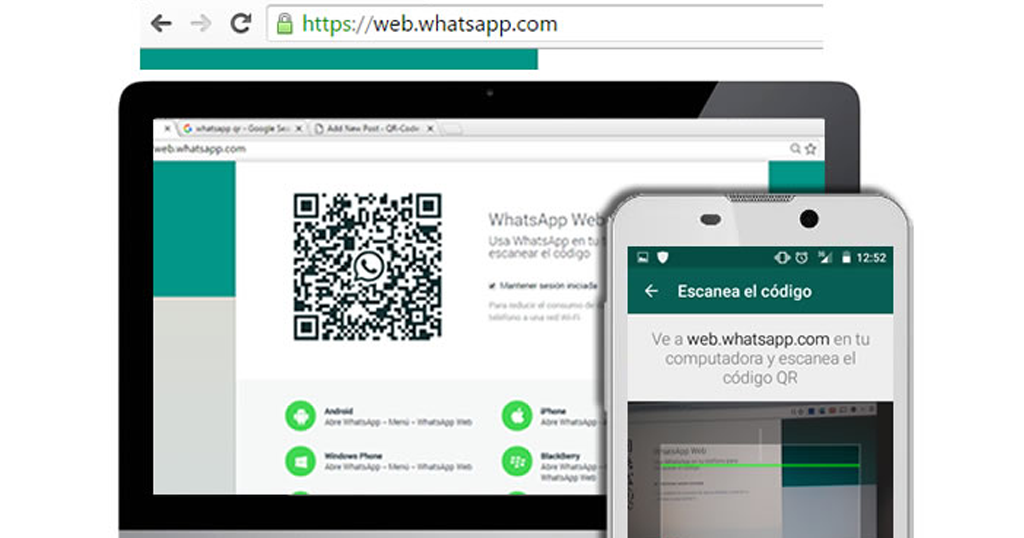
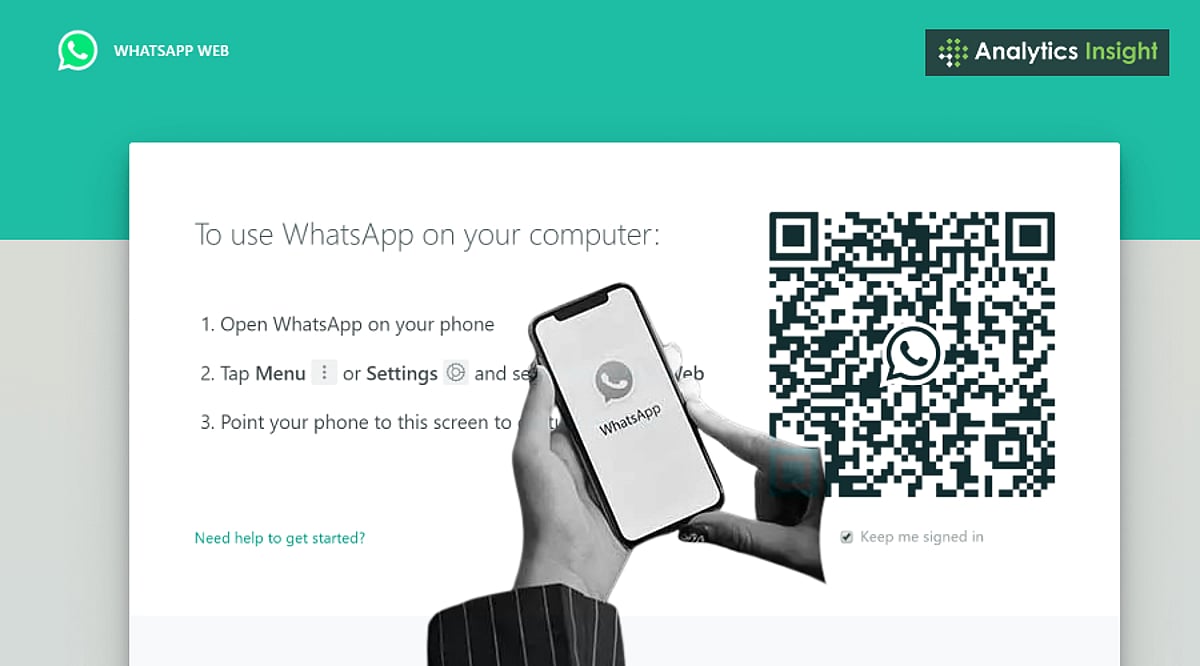
💻 WhatsApp Web ಬಳಕೆದಾರರಿಗೆ ಏನು ಬದಲಾವಣೆ?


Image


Image

ಬಹುತೇಕ ಕಚೇರಿ ಸಿಬ್ಬಂದಿ, ಡಿಜಿಟಲ್ ಮಾರ್ಕೆಟಿಂಗ್ ತಂಡಗಳು ಮತ್ತು ಫ್ರೀಲಾನ್ಸರ್‌ಗಳು WhatsApp Web ಅನ್ನು ದಿನಪೂರ್ತಿ ಬಳಸುತ್ತಾರೆ.

ಹೊಸ ನಿಯಮ ಪ್ರಕಾರ:

  • ಪ್ರತಿ 6 ಗಂಟೆಗೆ WhatsApp Web ಆಟೋ ಲಾಗ್‌ಔಟ್ ಆಗಬಹುದು
  • ಮರು ಲಾಗಿನ್ ಮಾಡಲು QR ಕೋಡ್ ಸ್ಕ್ಯಾನ್ ಮಾಡಬೇಕು
  • ಫೋನ್‌ನಲ್ಲಿ ಸಿಮ್ ಸಕ್ರಿಯವಾಗಿರಬೇಕು

ಇದು ಸ್ವಲ್ಪ ಕಿರಿಕಿರಿ ಅನ್ನಿಸಬಹುದು. ಆದರೆ ಭದ್ರತೆ ದೃಷ್ಟಿಯಿಂದ ಇದು ಸಹಾಯಕ.


📅 ಪ್ರಮುಖ ದಿನಾಂಕಗಳು ಮತ್ತು ನಿಯಮಗಳು

ವಿವರ ಹೊಸ ನಿಯಮ ಜಾರಿಗೆ ದಿನಾಂಕ
SIM Binding ಕಡ್ಡಾಯ ಮಾರ್ಚ್ 1, 2026
ಗಡುವು ವಿಸ್ತರಣೆ ಇಲ್ಲ ಫೆಬ್ರವರಿ 28 ಕೊನೆಯ ದಿನ
WhatsApp Web 6 ಗಂಟೆಗೆ ಲಾಗ್‌ಔಟ್ ಮಾರ್ಚ್ 1 ರಿಂದ

📲 Dual SIM ಫೋನ್ ಬಳಕೆದಾರರಿಗೆ ಸ್ಪಷ್ಟನೆ

ಬಹುತೇಕ ಜನರ ಫೋನ್‌ನಲ್ಲಿ ಎರಡು ಸಿಮ್ ಸ್ಲಾಟ್ ಇರುತ್ತದೆ.

ಗಮನಿಸಬೇಕಾದುದು:

  • ನೀವು ಯಾವ ನಂಬರ್‌ನಲ್ಲಿ WhatsApp ಬಳಸುತ್ತಿದ್ದೀರೋ
  • ಅದೇ ನಂಬರ್‌ನ ಸಿಮ್ ಫೋನಿನಲ್ಲಿರಬೇಕು
  • ಬೇರೆ ನಂಬರ್‌ನ ಸಿಮ್ ಇದ್ದರೆ WhatsApp ಕಾರ್ಯನಿರ್ವಹಿಸದ ಸಾಧ್ಯತೆ ಇದೆ

🌍 ವಿದೇಶ ಪ್ರಯಾಣ ಮಾಡುವವರಿಗೆ ಏನು ಪರಿಣಾಮ?

ನೀವು ಭಾರತದಿಂದ ಹೊರಗೆ ಹೋಗಿ:

  • ಇಂಡಿಯಾ ಸಿಮ್ ತೆಗೆದು
  • ಸ್ಥಳೀಯ (Local) ಸಿಮ್ ಹಾಕಿದರೆ

ಹೊಸ ನಿಯಮದ ಪ್ರಕಾರ ನಿಮ್ಮ WhatsApp ಕಾರ್ಯನಿರ್ವಹಿಸದಿರಬಹುದು.

ಆದರೆ ಈ ವಿಷಯದಲ್ಲಿ ತಾಂತ್ರಿಕ ಕಂಪನಿಗಳು ಇನ್ನೂ ಅಧಿಕೃತ ಸ್ಪಷ್ಟನೆ ನೀಡಬೇಕಿದೆ.


📶 Wi-Fi ಮಾತ್ರ ಬಳಸಿ WhatsApp ಬಳಸುವವರಿಗೆ ಎಚ್ಚರಿಕೆ

ಮನೆಯಲ್ಲಿ ಹಳೆಯ ಫೋನ್ ಇಟ್ಟುಕೊಂಡು:

  • ಸಿಮ್ ಇಲ್ಲದೆ
  • ಕೇವಲ Wi-Fi ಮೂಲಕ

WhatsApp ಬಳಸುವವರು ಇದ್ದರೆ, ಮಾರ್ಚ್ 1 ನಂತರ ಸಮಸ್ಯೆ ಎದುರಾಗಬಹುದು.


🔐 ಇದರ ಲಾಭಗಳು

✔️ ಖಾತೆ ಭದ್ರತೆ ಹೆಚ್ಚಾಗುತ್ತದೆ

✔️ SIM Swap Fraud ಕಡಿಮೆಯಾಗುತ್ತದೆ

✔️ ಹ್ಯಾಕಿಂಗ್ ಅಪಾಯ ಇಳಿಕೆಯಾಗುತ್ತದೆ

✔️ Business Account ಸುರಕ್ಷಿತವಾಗುತ್ತದೆ


❗ ಸಾಧ್ಯವಾದ ತೊಂದರೆಗಳು

  • ವಿದೇಶ ಪ್ರಯಾಣದಲ್ಲಿ ಸಮಸ್ಯೆ
  • WhatsApp Web ಬಳಕೆ ತೊಂದರೆ
  • ಹಳೆಯ Wi-Fi ಫೋನ್ ಬಳಕೆ ಅಸಾಧ್ಯ
  • ತಾಂತ್ರಿಕ ಅರಿವು ಇಲ್ಲದವರಿಗೆ ಕಿರಿಕಿರಿ

❓ ಸಾಮಾನ್ಯ ಪ್ರಶ್ನೆಗಳು (FAQs)

1️⃣ SIM ತೆಗೆದರೆ WhatsApp ತಕ್ಷಣ ಬಂದ್ ಆಗುತ್ತದೆಯೇ?

ಸಾಧ್ಯತೆ ಇದೆ. ನಿಮ್ಮ ನಂಬರ್‌ನ ಸಿಮ್ ಫೋನಿನಲ್ಲೇ ಇರಬೇಕು.

2️⃣ eSIM ಇದ್ದರೆ?

eSIM ಕೂಡ ಸಕ್ರಿಯವಾಗಿರಬೇಕು. ನಂಬರ್ ಡಿಸೇಬಲ್ ಆದರೆ WhatsApp ಕೆಲಸ ಮಾಡದು.

3️⃣ WhatsApp Business ಮೇಲೂ ಅನ್ವಯವಾಗುತ್ತದೆಯೇ?

ಹೌದು, ಸಾಮಾನ್ಯ ಮತ್ತು Business ಎರಡಕ್ಕೂ ಅನ್ವಯಿಸಬಹುದು.

4️⃣ Telegram, Signal ಮೇಲೂ ಇದೇ ನಿಯಮವೇ?

ಹೌದು, ಇತರ ಮೆಸೇಜಿಂಗ್ ಆಪ್‌ಗಳಿಗೂ ಇದೇ ರೀತಿಯ ನಿಯಮ ಅನ್ವಯವಾಗುವ ಸಾಧ್ಯತೆ ಇದೆ.


📝 ನೀವು ಈಗಲೇ ಮಾಡಬೇಕಾದುದು

  • ✅ ನಿಮ್ಮ WhatsApp ನಂಬರ್ ಇರುವ ಸಿಮ್ ಫೋನಿನಲ್ಲಿದೆಯೇ ಪರಿಶೀಲಿಸಿ
  • ✅ SIM ಡ್ಯಾಮೇಜ್ ಆಗಿದ್ದರೆ ಹೊಸದು ತೆಗೆದುಕೊಳ್ಳಿ
  • ✅ WhatsApp Web ನಲ್ಲಿ ಹೆಚ್ಚು ಸುರಕ್ಷತಾ ಸೆಟ್ಟಿಂಗ್ ಬಳಸಿ
  • ✅ Two-Step Verification ಆನ್ ಮಾಡಿ

🔚 ಅಂತಿಮ ಮಾತು

ಡಿಜಿಟಲ್ ಭದ್ರತೆ ಈಗ ಅತ್ಯಂತ ಮುಖ್ಯ ವಿಷಯವಾಗಿದೆ. ಸೈಬರ್ ಅಪರಾಧಗಳನ್ನು ತಡೆಯಲು ಸರ್ಕಾರ ಹೊಸ ಕ್ರಮಗಳನ್ನು ಕೈಗೊಳ್ಳುವುದು ಸಹಜ.

ನಿಮ್ಮ ಖಾತೆ ಸುರಕ್ಷಿತವಾಗಿರಲು, ಈ ಹೊಸ ನಿಯಮಗಳ ಬಗ್ಗೆ ಜಾಗೃತರಾಗಿರಿ.

ಮಾರ್ಚ್ 1 ರೊಳಗಾಗಿ ಅಗತ್ಯ ಸಿದ್ಧತೆ ಮಾಡಿಕೊಂಡರೆ ಯಾವುದೇ ತೊಂದರೆ ಇಲ್ಲದೆ WhatsApp ಬಳಸಬಹುದು.


Gruhalakshmi ಮಹಿಳೆಯರು ಗೃಹಲಕ್ಷ್ಮಿ ಯೋಜನೆ ಹಣ ವಾಪಸ್ ಕೊಡಬೇಕು ಸರ್ಕಾರದಿಂದ ಹೊಸ ರೂಲ್ಸ್.!

0

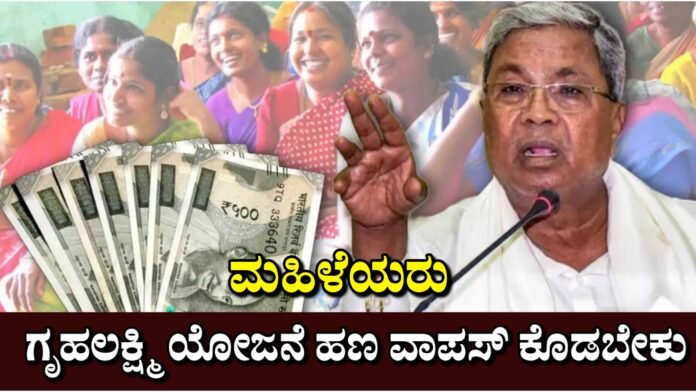
Gruhalakshmi ಗೃಹಲಕ್ಷ್ಮಿ ಯೋಜನೆಗೆ ಹೊಸ ತಿರುವು: 69 ಸಾವಿರ ಖಾತೆಗಳಲ್ಲಿ ಜಮೆಯಾದ ₹79 ಕೋಟಿ ಮರುಪಡೆಯಲು ಸರ್ಕಾರದ ಕಠಿಣ ಕ್ರಮ!

ರಾಜ್ಯದಲ್ಲಿ ಮಹಿಳಾ ಸಬಲೀಕರಣಕ್ಕಾಗಿ ಆರಂಭಿಸಲಾದ ಪ್ರಮುಖ ಯೋಜನೆಗಳಲ್ಲಿ ಒಂದಾದ  Gruhalakshmi ಗೃಹಲಕ್ಷ್ಮಿ ಯೋಜನೆ ಇದೀಗ ಹೊಸ ಚರ್ಚೆಗೆ ಗ್ರಾಸವಾಗಿದೆ. ಅರ್ಹ ಮಹಿಳೆಯರಿಗೆ ಪ್ರತಿಮಾಸ ₹2,000 ನೇರವಾಗಿ ಬ್ಯಾಂಕ್ ಖಾತೆಗೆ ಜಮೆಯಾಗುವ ಈ ಯೋಜನೆ ರಾಜ್ಯದ ಲಕ್ಷಾಂತರ ಕುಟುಂಬಗಳಿಗೆ ಆರ್ಥಿಕ ಭದ್ರತೆ ನೀಡುತ್ತಿದೆ. ಆದರೆ ಇತ್ತೀಚಿನ ಪರಿಶೀಲನೆಯಲ್ಲಿ ಆಘಾತಕಾರಿ ಸಂಗತಿ ಬೆಳಕಿಗೆ ಬಂದಿದೆ — ಸಾವಿರಾರು ಮೃತಪಟ್ಟ ಫಲಾನುಭವಿಗಳ ಖಾತೆಗಳಿಗೆ ಹಣ ಜಮೆಯಾಗಿರುವುದು ಪತ್ತೆಯಾಗಿದೆ.

ಇದೀಗ ಸರ್ಕಾರ ಆ ಹಣವನ್ನು ಮರುಪಡೆಯಲು ಸಿದ್ಧತೆ ನಡೆಸಿದ್ದು, ಇದರಿಂದ ಸುಮಾರು ₹79 ಕೋಟಿ ಸರ್ಕಾರದ ಖಜಾನೆಗೆ ಮರಳುವ ಸಾಧ್ಯತೆ ಇದೆ.


🔎 ಪ್ರಕರಣ ಏನು? ಸಂಪೂರ್ಣ ವಿವರ

ಸರ್ಕಾರ ನಡೆಸಿದ ದತ್ತಾಂಶ ಪರಿಶೀಲನೆ ವೇಳೆ ಹಲವು ಅಸಂಗತತೆಗಳು ಪತ್ತೆಯಾಗಿವೆ. ವಿಶೇಷವಾಗಿ ಮರಣ ಪ್ರಮಾಣಪತ್ರದ ದಾಖಲೆಗಳು ಮತ್ತು ಬ್ಯಾಂಕ್ ಖಾತೆಗಳ ಮಾಹಿತಿ ನಡುವೆ ಹೊಂದಾಣಿಕೆ ಇಲ್ಲದ ಕಾರಣ, ಮೃತಪಟ್ಟವರ ಖಾತೆಗಳಿಗೆ ಸಹ ಹಣ ಜಮೆಯಾಗಿರುವುದು ದೃಢಪಟ್ಟಿದೆ.

ಪ್ರಮುಖ ಅಂಶಗಳು:

  • ⚠️ ಸುಮಾರು 69,000 ಮೃತಪಟ್ಟ ಮಹಿಳೆಯರ ಖಾತೆಗಳಿಗೆ ಹಣ ಜಮೆಯಾಗಿರುವುದು ಪತ್ತೆ.
  • 💰 ಒಟ್ಟು ₹79 ಕೋಟಿ ರೂಪಾಯಿಗೂ ಅಧಿಕ ಹಣ ಈಗಾಗಲೇ ಜಮೆಯಾಗಿದೆ.
  • 📊 ಬ್ಯಾಂಕ್ ಮತ್ತು ಸರ್ಕಾರಿ ದಾಖಲೆಗಳ ನಡುವಿನ ಡೇಟಾ ಸಮನ್ವಯದ ಕೊರತೆ ಮುಖ್ಯ ಕಾರಣ.
  • 🏦 ಹಣ ಮರುಪಡೆಯಲು ಬ್ಯಾಂಕ್ ಅಧಿಕಾರಿಗಳೊಂದಿಗೆ ಚರ್ಚೆ ಆರಂಭ.
  • 📑 ಇ-ಕೆವೈಸಿ (e-KYC) ಪ್ರಕ್ರಿಯೆ ಬಲಪಡಿಸಲು ನಿರ್ಧಾರ.

📉 ಸರ್ಕಾರಕ್ಕೆ ಏಕೆ ಇದು ದೊಡ್ಡ ಸವಾಲು?

ರಾಜ್ಯದ ಖಜಾನೆಯ ಮೇಲೆ ಈಗಾಗಲೇ ವಿವಿಧ ಗ್ಯಾರಂಟಿ ಯೋಜನೆಗಳ ಭಾರವಿದೆ. ಇಂತಹ ಸಂದರ್ಭದಲ್ಲಿ ಅನರ್ಹ ಖಾತೆಗಳಿಗೆ ಹಣ ಜಮೆಯಾಗಿರುವುದು ಆರ್ಥಿಕ ಒತ್ತಡ ಹೆಚ್ಚಿಸಿದೆ. ಸರ್ಕಾರ ಈಗ ಪ್ರತಿಯೊಂದು ರೂಪಾಯಿಯ ಬಳಕೆ ಸಮರ್ಪಕವಾಗಿರುವುದನ್ನು ಖಚಿತಪಡಿಸಿಕೊಳ್ಳಲು ಕಟ್ಟುನಿಟ್ಟಿನ ಕ್ರಮಗಳನ್ನು ಕೈಗೊಳ್ಳುತ್ತಿದೆ.

ಹಣಕಾಸಿನ ಪರಿಣಾಮ:

  • ಗ್ಯಾರಂಟಿ ಯೋಜನೆಗಳಿಗೆ ವರ್ಷಕ್ಕೆ ಸಾವಿರಾರು ಕೋಟಿ ವೆಚ್ಚ.
  • ತಪ್ಪಾಗಿ ಜಮೆಯಾದ ಹಣದಿಂದ ಹೆಚ್ಚುವರಿ ಆರ್ಥಿಕ ಹೊರೆ.
  • ಸರಿಯಾದ ಡೇಟಾ ಪರಿಶೀಲನೆಗೆ ಹೊಸ ತಂತ್ರಜ್ಞಾನ ಉಪಯೋಗ.

🏛️ ಮುಂದಿನ ಕ್ರಮ ಏನು?

ಸರ್ಕಾರ ಈ ಪ್ರಕರಣವನ್ನು ಗಂಭೀರವಾಗಿ ಪರಿಗಣಿಸಿದ್ದು, ಹಂತ ಹಂತವಾಗಿ ಹಣ ವಸೂಲಿ ಪ್ರಕ್ರಿಯೆ ಆರಂಭಿಸಲು ಸೂಚನೆ ನೀಡಿದೆ.

ಸರ್ಕಾರ ಕೈಗೊಳ್ಳುವ ಕ್ರಮಗಳು:

  1. 📌 ಮೃತಪಟ್ಟವರ ಪಟ್ಟಿಯನ್ನು ಬ್ಯಾಂಕ್ ಖಾತೆಗಳೊಂದಿಗೆ ಹೊಂದಾಣಿಕೆ.
  2. 🏦 ಖಾತೆಗಳಲ್ಲಿ ಉಳಿದಿರುವ ಮೊತ್ತವನ್ನು ತಾತ್ಕಾಲಿಕವಾಗಿ ಸ್ಥಗಿತಗೊಳಿಸುವುದು.
  3. 💼 ಕುಟುಂಬಸ್ಥರು ಹಣ ಬಳಸಿದ್ದರೆ, ಕಾನೂನುಬದ್ಧವಾಗಿ ವಸೂಲಿ.
  4. 🔄 ಇ-ಕೆವೈಸಿ ಕಡ್ಡಾಯಗೊಳಿಸುವುದು.
  5. 📜 ಮರಣ ಪ್ರಮಾಣಪತ್ರಗಳನ್ನು ಡಿಜಿಟಲ್ ವ್ಯವಸ್ಥೆಗೆ ಲಿಂಕ್ ಮಾಡುವುದು.

📢 ಸಾರ್ವಜನಿಕರಿಗೆ ಎಚ್ಚರಿಕೆ

ಯೋಜನೆಯ ಲಾಭ ಪಡೆಯುತ್ತಿರುವ ಕುಟುಂಬಗಳಲ್ಲಿ ಯಾರಾದರೂ ಮೃತಪಟ್ಟಿದ್ದರೆ, ಅದನ್ನು ತಕ್ಷಣ ಸಂಬಂಧಪಟ್ಟ ಇಲಾಖೆಗೆ ತಿಳಿಸುವುದು ಅತ್ಯಂತ ಮುಖ್ಯ. ಮಾಹಿತಿ ನೀಡದೇ ಇದ್ದರೆ ಮುಂದೆ ಕಾನೂನು ಸಮಸ್ಯೆ ಎದುರಾಗಬಹುದು.

ನೀವು ಮಾಡಬೇಕಾದುದು:

  • ✔️ ಗ್ರಾಮ ಒನ್ / ಬೆಂಗಳೂರು ಒನ್ ಕೇಂದ್ರದಲ್ಲಿ ಮಾಹಿತಿ ನವೀಕರಿಸಿ.
  • ✔️ ಮರಣ ಪ್ರಮಾಣಪತ್ರ ಸಲ್ಲಿಸಿ.
  • ✔️ ಹೊಸ ಮನೆ ಯಜಮಾನಿ ನೋಂದಣಿ ಕುರಿತು ವಿಚಾರಿಸಿ.
  • ✔️ ಬ್ಯಾಂಕ್ ಖಾತೆ ವಿವರಗಳನ್ನು ಪರಿಶೀಲಿಸಿ.

📊 ಪ್ರಮುಖ ಅಂಕಿಅಂಶಗಳ ಕೋಷ್ಟಕ

ವಿವರ ಮಾಹಿತಿ
ಮೃತ ಫಲಾನುಭವಿಗಳ ಸಂಖ್ಯೆ 69,000
ಮರುಪಡೆಯಬೇಕಾದ ಮೊತ್ತ ₹79 ಕೋಟಿ
ತಿಂಗಳಿಗೆ ನೀಡುವ ಮೊತ್ತ ₹2,000
ಜವಾಬ್ದಾರಿ ಇಲಾಖೆ ಮಹಿಳಾ ಮತ್ತು ಮಕ್ಕಳ ಕಲ್ಯಾಣ ಇಲಾಖೆ
ಮುಂದಿನ ಕ್ರಮ e-KYC ಕಡ್ಡಾಯ

👩‍👩‍👧‍👦 ಮನೆ ಯಜಮಾನಿ ಬದಲಾವಣೆ ಸಾಧ್ಯವೇ?

ಮನೆಯ ಯಜಮಾನಿ ಮೃತಪಟ್ಟಿದ್ದರೆ, ಕುಟುಂಬದ ಮತ್ತೊಬ್ಬ ಅರ್ಹ ಮಹಿಳೆಯನ್ನು ಹೊಸದಾಗಿ ನೋಂದಾಯಿಸುವ ಅವಕಾಶ ಕುರಿತು ಸರ್ಕಾರ ಚಿಂತನೆ ನಡೆಸುತ್ತಿದೆ. ಆದರೆ ಅಧಿಕೃತ ಸೂಚನೆ ಹೊರಬಂದ ಬಳಿಕವೇ ಅರ್ಜಿ ಸಲ್ಲಿಸಲು ಸಾಧ್ಯ.

ಸಲಹೆ:

  • ಹಣವನ್ನು ದುರುಪಯೋಗಪಡಿಸಿಕೊಳ್ಳಬೇಡಿ.
  • ಕಾನೂನುಬದ್ಧವಾಗಿ ಅರ್ಜಿ ನವೀಕರಿಸಿ.
  • ಅಧಿಕಾರಿಗಳೊಂದಿಗೆ ಸಂಪರ್ಕದಲ್ಲಿರಿ.

❓ ಸಾಮಾನ್ಯವಾಗಿ ಕೇಳಲಾಗುವ ಪ್ರಶ್ನೆಗಳು (FAQs)

ಪ್ರಶ್ನೆ 1: ಸರ್ಕಾರ ಹಣವನ್ನು ನೇರವಾಗಿ ಕಟ್ ಮಾಡುತ್ತದೆಯೇ?

ಹೌದು. ಬ್ಯಾಂಕ್‌ಗಳ ಸಹಕಾರದಿಂದ ಮೃತಪಟ್ಟವರ ಖಾತೆಗಳಲ್ಲಿ ಉಳಿದಿರುವ ಮೊತ್ತವನ್ನು ಗುರುತಿಸಿ ಸರ್ಕಾರ ವಾಪಸ್ ಪಡೆಯಲಿದೆ.

ಪ್ರಶ್ನೆ 2: ಹಣವನ್ನು ಈಗಾಗಲೇ ಬಳಸಿದ್ದರೆ ಏನು?

ಆ ಸಂದರ್ಭದಲ್ಲಿ ಸರ್ಕಾರ ಕುಟುಂಬಸ್ಥರಿಗೆ ನೋಟಿಸ್ ನೀಡಿ ಕಾನೂನುಬದ್ಧವಾಗಿ ಹಣ ವಸೂಲಿ ಮಾಡಬಹುದು.

ಪ್ರಶ್ನೆ 3: ಹೊಸ ಮನೆ ಯಜಮಾನಿ ನೋಂದಾಯಿಸಬಹುದೇ?

ಸರ್ಕಾರದಿಂದ ಅಧಿಕೃತ ಆದೇಶ ಬಂದ ನಂತರ ಅರ್ಹ ಮಹಿಳೆಯರನ್ನು ಹೊಸದಾಗಿ ನೋಂದಾಯಿಸಲು ಅವಕಾಶ ಇರಬಹುದು.


🔐 ಇ-ಕೆವೈಸಿ ಯಾಕೆ ಮುಖ್ಯ?

ಇ-ಕೆವೈಸಿ ಪ್ರಕ್ರಿಯೆ ಮೂಲಕ:

  • ಜೀವಂತ ಫಲಾನುಭವಿಗಳ ದೃಢೀಕರಣ.
  • ಡುಪ್ಲಿಕೇಟ್ ಅಥವಾ ಅನರ್ಹ ಖಾತೆಗಳ ತಡೆ.
  • ನೇರ ಲಾಭ ವರ್ಗಾವಣೆ (DBT) ವ್ಯವಸ್ಥೆ ಬಲಪಡಿಸುವುದು.

📌 ನಮ್ಮ ಅಭಿಪ್ರಾಯ

ಸರ್ಕಾರದ ಯೋಜನೆಗಳು ಸರಿಯಾದ ಅರ್ಹರಿಗೆ ತಲುಪುವುದು ಅತ್ಯಗತ್ಯ. ದತ್ತಾಂಶದ ದೋಷಗಳಿಂದ ಹಣ ವ್ಯರ್ಥವಾಗುವುದನ್ನು ತಡೆಯಲು ತಂತ್ರಜ್ಞಾನ ಬಳಕೆ ಮತ್ತು ಸಾರ್ವಜನಿಕ ಸಹಕಾರ ಎರಡೂ ಅವಶ್ಯಕ. ಕುಟುಂಬಗಳು ಸಹ ಹೊಣೆಗಾರಿಕೆಯಿಂದ ವರ್ತಿಸಿದರೆ, ಯೋಜನೆಯ ಲಾಭ ನಿರಂತರವಾಗಿ ಸಿಗುತ್ತದೆ.

Ration Card: APL ರೇಷನ್ ಕಾರ್ಡ್ BPL ಕಾರ್ಡ್ ಗೆ ಬದಲಾವಣೆ & ರೇಷನ್ ಕಾರ್ಡ್ ತಿದ್ದುಪಡಿ ಆರಂಭ.!

0

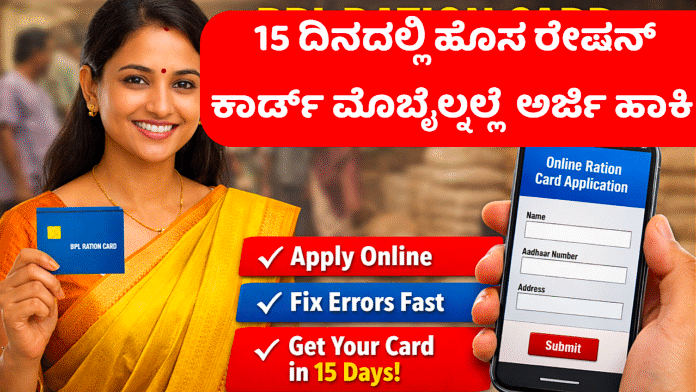
Complete Guide to BPL Ration Card 2026 – Apply Online, Make Corrections, Get Card Fast

In 2026, the Indian government and many state food departments, including states like Karnataka, have introduced significant changes to the Public Distribution System (PDS). One of the most important updates involves Below Poverty Line (BPL) ration cards — from applying online to correcting card details using your mobile phone.

This guide explains the entire process in simple English — how to apply for a new BPL ration card, how to update errors quickly, what documents you need, how long it takes, and how to access the official application links. The aim is to help you understand everything you need so you can complete your application confidently and receive your ration card without confusion.

What Is a BPL Ration Card?

A BPL (Below Poverty Line) ration card is a government-issued document that identifies economically weaker families whose annual income falls below a certain threshold. This ration card makes the family eligible for highly subsidized food grains such as rice, wheat, sugar, and kerosene under India’s Public Distribution System. It also connects cardholders to other social welfare schemes.

Unlike Above Poverty Line (APL) cards, BPL cards are designed specifically for financially disadvantaged households. They serve as an identity document and a key to welfare benefits.

Latest 2026 Updates on BPL Ration Cards

In 2026, the central and state governments introduced new guidelines to make the ration card system more transparent and more effective. Some major changes include:

📌 1. Mandatory e-KYC and Aadhaar Linking

All BPL ration cardholders now need to complete e-KYC (electronic Know Your Customer) and link their Aadhaar numbers with the ration card. If this is not completed, benefits may be stopped.

📌 2. Exclusion of Ineligible Households

Families with higher annual income, government jobs, taxpayers, and certain asset holders may be removed from the BPL list. The goal is to ensure only genuinely needy families get subsidized food.

📌 3. Portability Through ONORC

Thanks to the One Nation One Ration Card scheme (ONORC), you can use your BPL card to get ration anywhere in India using your e-KYC and biometric.

📌 4. Faster Digital Processing

Many states are now enabling quicker processing of new applications and corrections, often within 15–30 days.

Why You Should Apply or Update Your BPL Card in 2026

There are several reasons why applying for a new BPL ration card or correcting details on an existing card is important this year:

  • To continue receiving subsidized food grains

  • To avoid suspension of benefits due to missing e-KYC

  • To access other welfare schemes connected with the ration card

  • To update wrong names, addresses, or mobile numbers

  • To remain eligible for ONORC benefits

How to Apply for a BPL Ration Card Online (2026)

You can apply for a new BPL ration card through your state government’s designated online portal. The exact URL may vary by state, but in Karnataka, this link works:

➡️ 👉 Apply here: https://ahara.karnataka.gov.in (Official Ration Card Portal)

Apply link

Here’s a step-by-step approach:

  1. Visit the Official Portal: Open the Ahara portal link above.

  2. Select Language: Choose English or your preferred language.

  3. Go to E-Services: Navigate to E-Services → New Ration Card.

  4. Fill the Form: Enter personal household details, Aadhaar data, address, family members, income details, etc.

  • Upload Documents: Attach Aadhaar, income certificate, address proof, and any other required files.

  • Submit Application: After entering all details, submit the form.

  • Track Status: Use your application number to check status online.

How to Correct Errors on Your BPL Ration Card via Mobile

If your ration card has mistakes — such as wrong name, incorrect address, missing family member, or outdated mobile number — you can correct these online:

  1. Open the Official Portal

  2. Select “Ration Card Corrections”

  3. Enter Ration Card Number & Aadhaar

  4. Choose the Detail to Update

  5. Send OTP to Your Mobile

  6. Upload Supporting Documents

  7. Submit and Track Your Correction Request

Tip: Updating your mobile number, especially through the portal, helps receive verification OTPs and avoid rejected applications.

Supporting Documents You’ll Need

When applying or making corrections, keep the following documents ready:

✅ Aadhaar Card of head of household
✅ Aadhaar of family members
✅ Mobile number linked to Aadhaar
✅ Income certificate
✅ Address proof (electricity bill, voter ID, etc.)
✅ Caste certificate (if applicable)
✅ Existing ration card (for corrections)

How Long Does It Take to Get Your Card?

Typically, if all details are correct and documents are valid, new BPL ration cards or corrected ones are issued within about 15–30 days. This can vary slightly by state and volume of applications.

After approval, you may receive the ration card:

📍 By post to your registered address
📍 Through the local ration office
📍 Or as a printable PDF available online

Important Tips to Avoid Problems

✔ Always verify your Aadhaar is correctly linked to your mobile number.
✔ Check for spelling mistakes before submitting forms.
✔ Do not share OTP or Aadhaar details with anyone claiming to help unofficially.
✔ If your application is rejected, check status online and re-submit corrected information.


Conclusion — What You Must Do Now

2026 is a critical year for BPL ration card holders. With new rules and digital processes in place, you should make sure:

You have a valid BPL card
🔹 Your e-KYC and Aadhaar details are up to date
🔹 Mobile number is correctly linked
🔹 Any errors have been corrected quickly

By following the steps provided above and using the official portal — https://ahara.karnataka.gov.in — you can complete your application or corrections without stress.

Make sure to check the portal regularly for any updates to the rules or deadlines.

Farmers ಬೋರ್ವೆಲ್ ಹಾಕಿಸಲು ಸರ್ಕಾರದಿಂದ 90% ಸಬ್ಸಿಡಿ.!

0

Big Government Support for Farmers in 2026 — A Real “Bumper Gift”

In recent times, the Indian government has taken several major steps to support farmers across the country, especially small and marginal cultivators who are the backbone of the rural economy. These initiatives are often described in the media as a “bumper gift for farmers” because they include substantial financial benefits, guaranteed prices, subsidies, insurance, and new welfare programs that aim to improve farmers’ income and agricultural resilience. In 2025–26, a number of important measures have been implemented to strengthen farmer earnings, reduce risk from crop loss, and provide financial stability.

Why the Term “Bumper Gift” Is Used for Farmers

When newspapers and news portals say the government has given a “bumper gift” to farmers, they are usually referring to big announcements of price support, subsidies or cash benefits that directly improve the financial condition of farming families. For example, the Union Cabinet approved raising the Minimum Support Prices (MSP) for a range of Rabi (winter) crops for the 2026–27 season, meaning farmers will get more money when they sell their produce, which helps protect them from low market prices.

Similarly, government schemes like Pradhan Mantri Kisan Samman Nidhi (PM-KISAN) directly deposit cash into farmers’ bank accounts every year, which is widely seen as a dependable financial support that supplements other farm income.


1. Pradhan Mantri Kisan Samman Nidhi (PM-KISAN)

One of the most significant central government programs for farmers is the Pradhan Mantri Kisan Samman Nidhi scheme, often simply called PM-KISAN. Under this scheme, the government provides ₹6,000 per year to every eligible farmer family. This amount is pumped directly into the farmer’s bank account in three equal instalments of ₹2,000 each. It is not a loan — it is a cash benefit that does not need to be repaid.

The primary goal of PM-KISAN is to give small and marginal farmers regular cash support to help with everyday farming expenses such as seeds, fertilizers, labour and irrigation costs. The money arrives through Direct Benefit Transfer (DBT) which reduces middlemen and ensures that the funds reach farmers reliably.

Who can apply:
• Land-owning farmers with cultivable land registered in their name.
• Applicants must be Indian citizens with an Aadhaar-linked bank account.
• Farmers must ensure correct land records to avoid payment delays.

Apply link

Farmers can apply online by uploading basic details or can visit their local Common Service Centre (CSC) for assistance with the application.


2. Minimum Support Price (MSP) Increase for Rabi Crops

Another reason for the “bumper gift” headlines is the government’s decision to increase the MSP (Minimum Support Price) for major winter crops in 2026–27. MSP is the price at which the government buys crops from farmers when market prices are lower, providing a safety net.

For example, recent MSP hikes mean that farmers growing pulses, oilseeds and cereals are likely to receive payments significantly above their production costs, ensuring better profit margins and reducing income stress.

This decision came after approval by the government’s Cabinet Committee on Economic Affairs (CCEA) and was widely welcomed by farming communities, particularly in regions like North Karnataka where Rabi cropping is extensive.

3. Crop Insurance and Risk Protection

Farming is unpredictable, and natural disasters like droughts, floods, hailstorms or pest attacks can cause large losses for agricultural families. To protect farmers from such risks, the government operates insurance programs like the Pradhan Mantri Fasal Bima Yojana (PMFBY).

Under PMFBY:
• Farmers pay a small premium (around 2% for Kharif crops, 1.5% for Rabi crops), and the government covers the rest of the insurance cost.
• In case of crop damage, farmers receive compensation quickly to mitigate financial hardship.
• This insurance encourages farmers to adopt modern farming practices without fear of loss.

Farmers interested in PMFBY can enquire and enrol at their nearest agricultural office, bank, or online through the official portal.


4. Additional State and Central Subsidy Schemes

Apart from national programs, many state governments also run subsidies and support schemes for farmers:

• Some state programs provide subsidies for farm machinery such as tractors, solar pumps and irrigation equipment, often covering a large portion of the purchase cost for eligible farmers.

Other initiatives focus on soil health cards, drip irrigation subsidies, and farm pond construction support, which helps farmers improve productivity and optimize water use.

These schemes vary by state, and farmers can check with their local agricultural office to understand the specific benefits and eligibility criteria.

5. Other Welfare Programs

In addition to direct income support and risk coverage, the government also implements programs that benefit farmers indirectly:

• Investment support schemes like Rythu Bandhu (Telangana) give per-acre investment support to help farmers cover input costs during Kharif and Rabi seasons.
• The PM Kusum scheme helps farmers install solar irrigation pumps with substantial government subsidy, reducing dependence on diesel and cutting costs.

Such programs combined with MSP boosts and cash transfers make farmers’ incomes more stable, less risky, and more productive.

How Farmers Can Apply and Check Status

If you are a farmer or part of a farming family and want to benefit from government schemes like PM-KISAN, you can apply online through the official portal https://pmkisan.gov.in/.

Here is what you typically need for applying:
• Aadhaar card
• Land ownership documents
• Bank account details linked to Aadhaar
• Mobile number for updates

Farmers can also get help from the nearest Common Service Centre (CSC), agriculture extension office, or local bank branch to complete the application and check their status.

Final Thoughts: Farmers’ Welfare Gaining Momentum

The government’s recent moves — whether through increased MSP, direct cash transfers under PM-KISAN, crop insurance, or farming subsidies — aim to boost farmer incomes and protect agricultural livelihoods. While ₹6,000 per year may seem modest, when combined with fair pricing and crop risk protection, it helps ease financial pressures and supports long-term farming sustainability.

Farmers are encouraged to check their eligibility and apply for the benefits available to them. With various schemes working together, the government’s “bumper gift” is essentially a combination of initiatives designed to strengthen agriculture, support farm families, and ensure food security.